

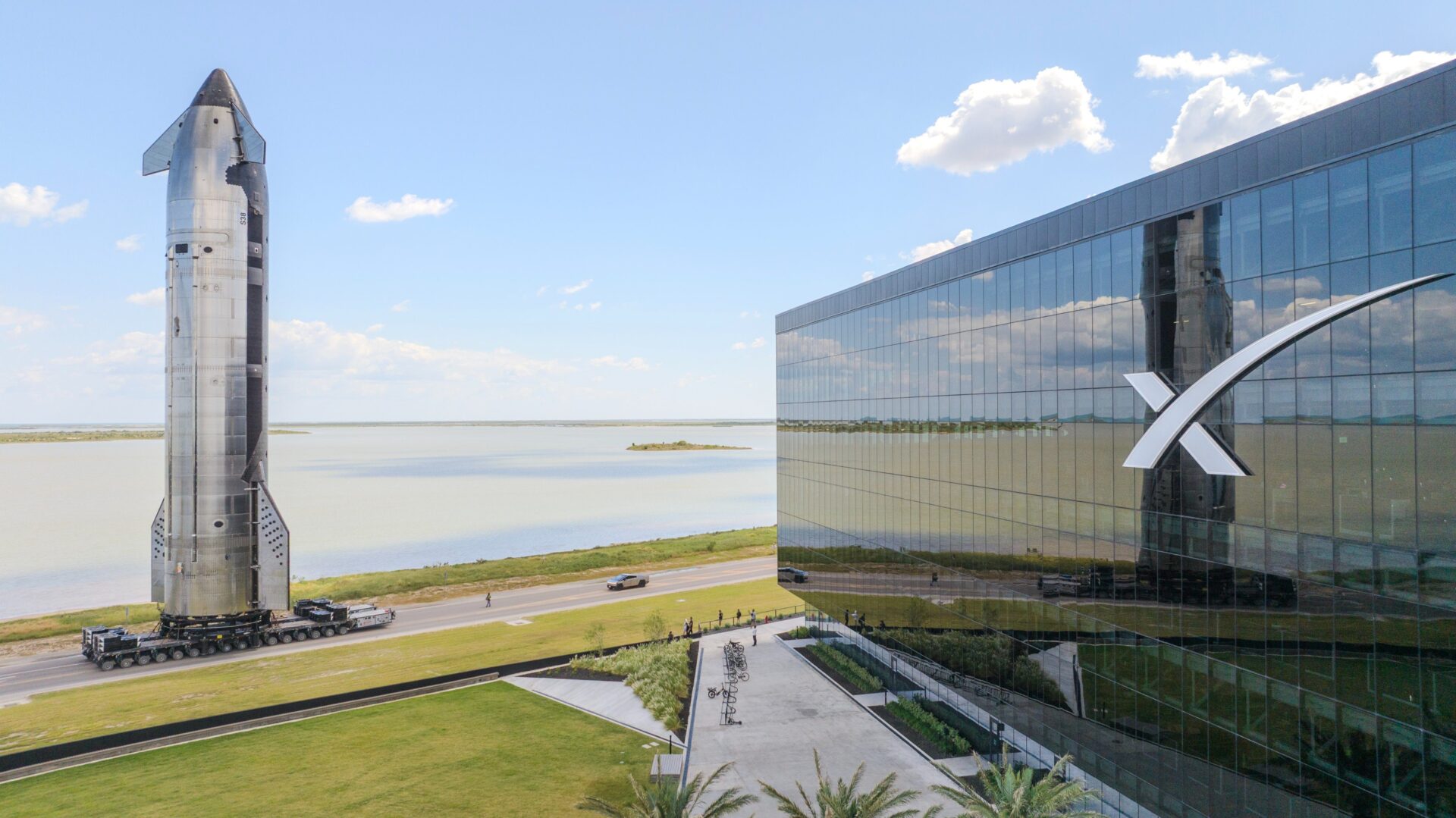
SpaceX successfully launched the newest and most heavily upgraded version of its Starship rocket in a high-profile Texas test flight that underscored both the rapid pace of private-sector aerospace development and America’s renewed push toward dominance in space exploration. The massive V3 Starship, taller and more powerful than previous iterations, completed most of its mission objectives despite minor engine issues, deploying mock satellites and traveling halfway around the globe before splashing down in the Indian Ocean. The successful test comes as NASA increasingly relies on Starship technology for its Artemis lunar ambitions and as SpaceX positions itself for what could become the largest IPO in American history. The launch also reinforced a broader reality many in Washington have resisted admitting for years: private innovation, not bloated bureaucracy, is once again driving America’s strategic and technological future. While federal agencies continue to struggle under delays and cost overruns, private-sector competition has accelerated development timelines once thought impossible. The result is a renewed American edge in aerospace capability at a time when China and other geopolitical competitors are aggressively pursuing their own lunar and orbital ambitions.
Sources
https://www.latimes.com/business/story/2026-05-22/spacex-launches-its-biggest-most-beefed-up-starship-yet-on-test-flight
https://www.reuters.com/business/aerospace-defense/spacexs-upgraded-starship-v3-blasts-off-debut-test-flight-texas-2026-05-22
https://apnews.com/article/53eb1c43f870561788839b08c401bf8f
https://www.space.com/space-exploration/launches-spacecraft/spacex-starship-v3-megarocket-first-test-flight
Key Takeaways
- SpaceX’s upgraded Starship V3 completed most of its test-flight objectives, including payload deployment and controlled atmospheric reentry, despite limited engine complications.
- NASA’s future Artemis moon missions are becoming increasingly dependent on SpaceX technology as government-led aerospace development continues to lag behind private-sector innovation.
- The successful launch strengthens America’s position in the escalating global space race, particularly against China’s rapidly expanding lunar and orbital programs.
In-Depth
The successful launch of Starship V3 represented more than another flashy rocket test. It was a visible reminder that American ingenuity still thrives most aggressively when government clears the runway and private enterprise takes the lead. Standing more than 400 feet tall and powered by upgraded Raptor engines, the newest Starship iteration demonstrated that SpaceX continues to push aerospace engineering forward at a pace traditional defense contractors and federal agencies rarely match anymore.
The mission was not flawless, but perfection was never the point. Test flights exist to expose weaknesses while proving core systems under real-world conditions. By that standard, the launch was a major success. The spacecraft reached space, deployed payloads, survived reentry, and executed a controlled descent into the Indian Ocean. Even the intentional destruction of the vehicle after splashdown served a purpose, providing engineers with invaluable telemetry and stress data that simply cannot be replicated on the ground.
More importantly, the launch highlighted how dramatically the center of gravity in aerospace development has shifted over the last decade. Once upon a time, NASA drove innovation while private contractors followed instructions. Today, NASA increasingly depends on private companies like SpaceX to achieve national objectives. The Artemis program’s lunar ambitions are now closely tied to Starship’s success, whether Washington wants to admit it or not.
That dependence carries political implications as well. Critics of Elon Musk often focus on personality or politics while ignoring the undeniable reality that SpaceX has become indispensable to American strategic interests. In an era where China is aggressively investing in lunar infrastructure, satellite dominance, and military-space integration, the United States cannot afford stagnation disguised as regulation.
Starship’s latest flight also signals something larger than lunar missions alone. Reusability, rapid launch cadence, and reduced payload costs are changing the economics of space entirely. That transformation could reshape telecommunications, defense logistics, satellite deployment, and eventually industrial activity in orbit itself. The nations and companies that master those systems first will hold enormous economic and geopolitical leverage for decades to come.
For all the noise surrounding politics and culture wars, this launch offered a glimpse of something increasingly rare: an unmistakable American technological victory.