

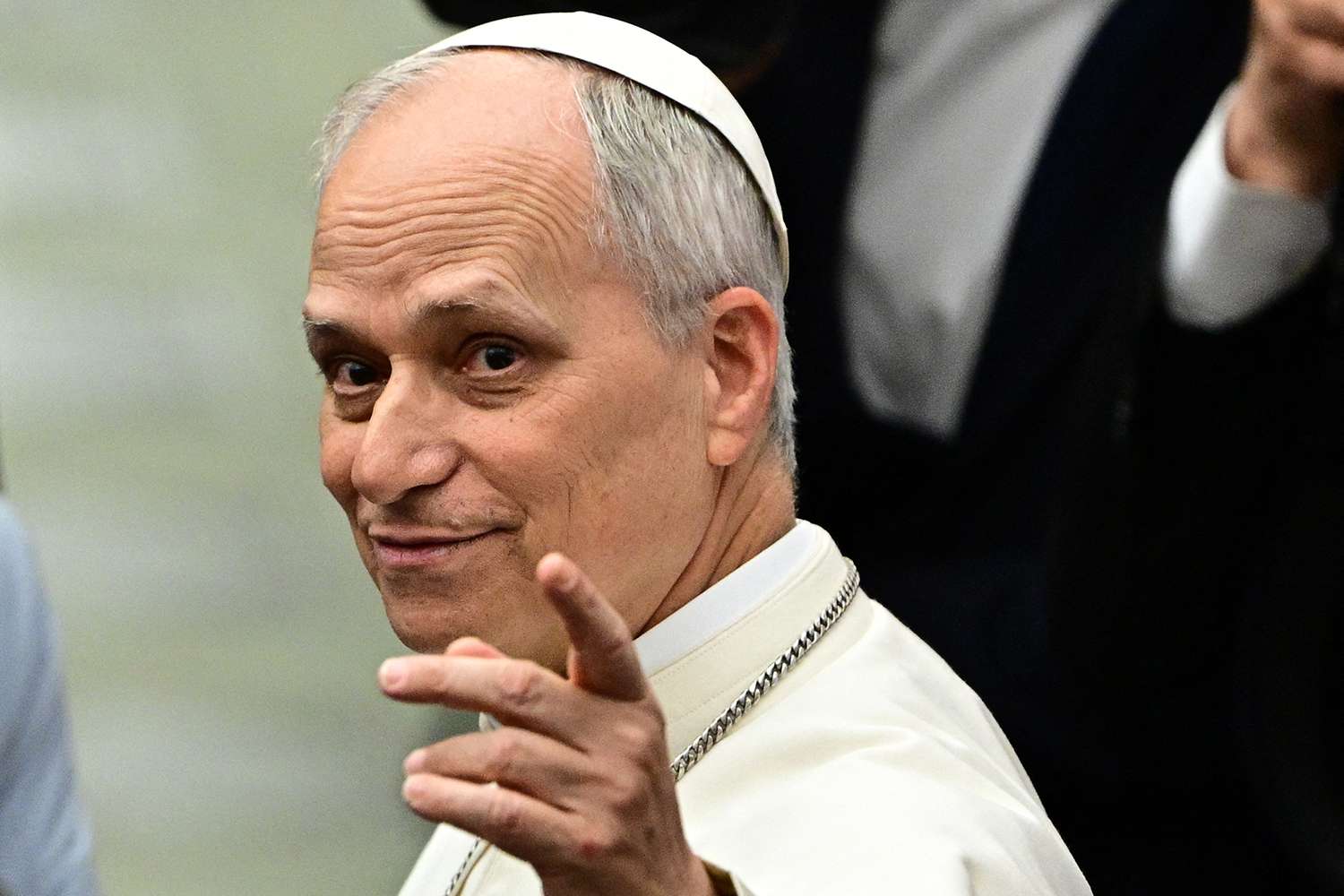
Pope Leo XIV has placed artificial intelligence at the center of his early papacy, issuing a sweeping warning that AI development must remain subordinate to human dignity, moral responsibility, and the common good. In his first major encyclical, Magnifica Humanitas, the pontiff argued that AI presents not merely a technological challenge but a profound civilizational and spiritual one. While acknowledging the benefits of innovation, he warned against concentrating power in the hands of large technology companies, the automation of lethal military decisions, the erosion of authentic human relationships, and the replacement of human judgment with machine-generated outputs. His intervention represents one of the strongest moral critiques yet directed at the AI industry by a major world leader, placing the Vatican in direct conversation—and in some respects, direct tension—with the dominant assumptions driving the global race toward increasingly powerful artificial intelligence systems.
Sources
- https://www.vatican.va/content/leo-xiv/en/encyclicals/documents/20260515-magnifica-humanitas.html
- https://www.reuters.com/business/media-telecom/pope-leo-urges-world-slow-down-ai-fervent-first-manifesto-2026-05-25
- https://www.aljazeera.com/news/2026/5/26/what-has-pope-leo-warned-about-ai-and-why-thats-significant
- https://www.ft.com/content/e98d7451-19ee-472e-9b92-8938eab0e205
Key Takeaways
- Pope Leo XIV argues that AI development must be governed by ethical principles centered on human dignity rather than technological capability alone.
- The Vatican is particularly concerned about autonomous weapons, misinformation, labor displacement, and the concentration of technological power within a small number of corporations.
- The encyclical signals that the Catholic Church intends to become a significant moral voice in the global debate over AI governance, regulation, and human accountability.
In-Depth
The emergence of Pope Leo XIV as a major critic of artificial intelligence reflects a growing concern that technological progress is advancing faster than society’s ability to govern it. In his first encyclical, the new pontiff identifies AI as one of the defining issues of the modern era, arguing that the challenge is not simply whether machines become more capable, but whether humanity remains willing to exercise moral authority over those machines.
From a conservative perspective, the pope’s message resonates because it emphasizes enduring principles often ignored by technological utopianism. The modern AI industry frequently promotes efficiency, automation, and disruption as unquestioned goods. Pope Leo counters that innovation detached from moral responsibility can become destructive. He warns that human beings risk surrendering judgment, creativity, and even personal relationships to systems designed primarily around speed and scale.
Particularly noteworthy is the pope’s concern over the concentration of power. Rather than viewing AI solely as a commercial product, he frames it as a force capable of reshaping economies, politics, warfare, and culture. The prospect of a handful of corporations controlling the technologies that increasingly influence information, employment, and decision-making raises legitimate questions about accountability and democratic oversight.
The pontiff also focuses heavily on military applications. He argues that decisions involving life and death should never be delegated entirely to autonomous systems. At a time when governments and defense contractors are investing heavily in AI-enabled warfare, that warning places the Vatican squarely in opposition to efforts that seek to remove humans from the battlefield decision-making process.
Ultimately, Pope Leo’s intervention is less an attack on technology than a defense of humanity. His argument is that civilization advances not when machines become more powerful, but when human beings remain capable of exercising wisdom, responsibility, and moral restraint. Whether Silicon Valley embraces that message remains uncertain, but the Vatican has clearly signaled that the future of AI is too important to be left solely to engineers, investors, and corporate executives.