

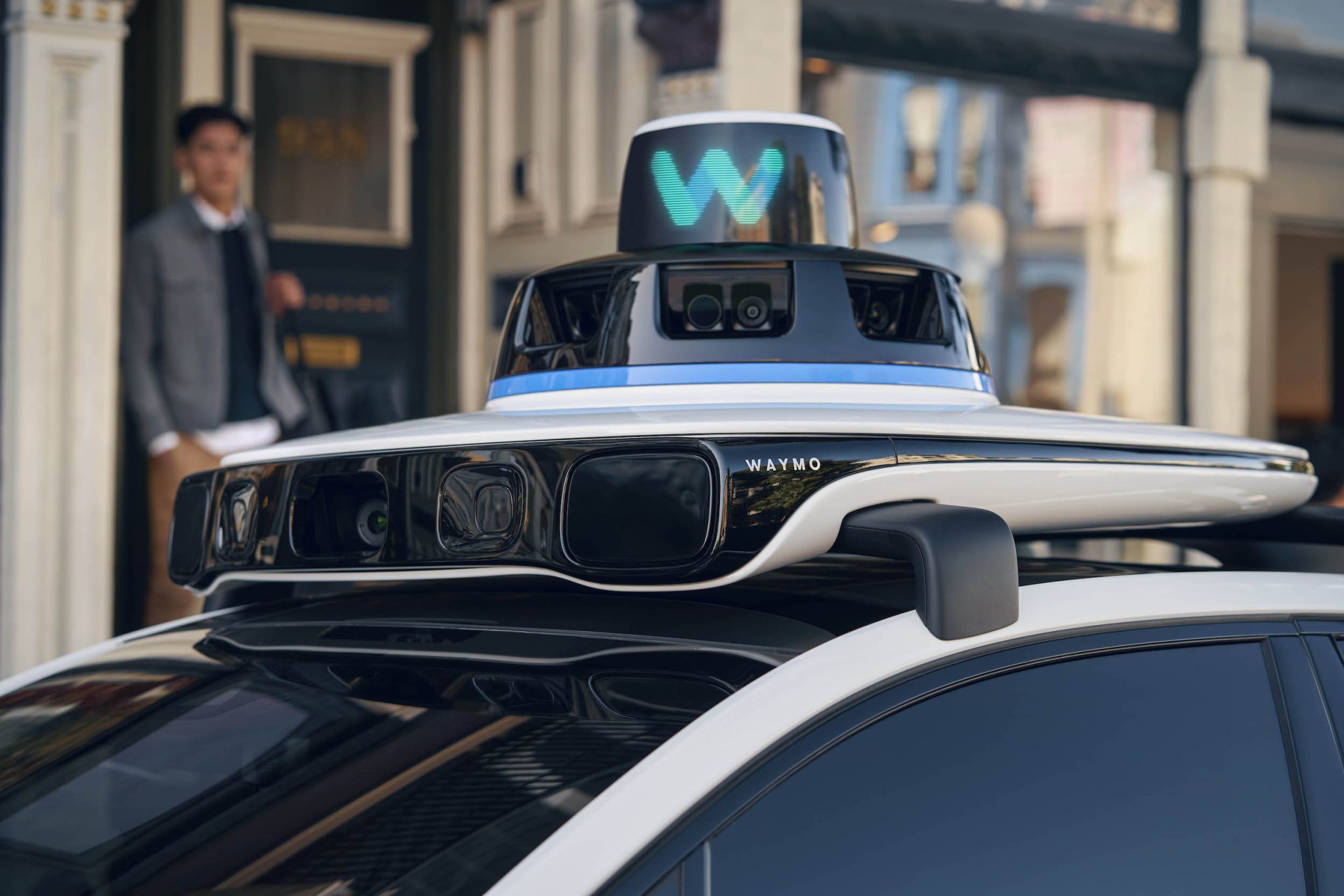
Waymo has expanded its Los Angeles robotaxi operations by introducing a new generation of lower-cost autonomous vehicles designed to reduce operating expenses while supporting broader deployment across the region. The new fleet, known as the Ojai, incorporates Waymo’s sixth-generation autonomous driving system and is intended to improve scalability through a more efficient sensor package, lower manufacturing costs, and a larger, more passenger-friendly interior. The move comes as autonomous ride-hailing competition intensifies and as regulators, labor groups, and safety advocates continue scrutinizing driverless vehicle operations. While supporters view the rollout as a significant step toward mainstream autonomous transportation, critics point to ongoing concerns regarding safety, regulatory oversight, and the potential displacement of human drivers.
Sources
- https://www.latimes.com/business/story/2026-05-28/waymo-launches-services-with-cheaper-robotaxis-in-los-angeles
- https://www.theverge.com/transportation/938156/waymo-zeekr-ojai-robotaxi-passenger-trips
- https://www.wired.com/story/here-comes-ojai-waymos-new-chinese-made-robotaxi
- https://www.sfchronicle.com/sf/article/waymo-tahoe-ojai-weather-22278798.php
Key Takeaways
- Waymo is attempting to lower the cost of autonomous ride-hailing by deploying a new vehicle platform equipped with a less expensive but more capable autonomous driving system.
- Los Angeles continues to serve as a major testing ground for the future of driverless transportation, with expansion occurring despite ongoing safety investigations and regulatory scrutiny.
- The broader robotaxi market is becoming increasingly competitive as multiple companies race to establish large-scale autonomous transportation networks across major American cities.
In-Depth
Waymo’s latest expansion in Los Angeles represents more than the arrival of another autonomous vehicle. It signals the next phase in the company’s effort to make robotaxis economically viable at scale. For years, the challenge facing autonomous transportation has not merely been technological capability but affordability. Advanced sensors, computing systems, and maintenance requirements have made driverless vehicles expensive to operate. By introducing a new fleet built around a more efficient hardware package, Waymo is attempting to solve the economic equation that has slowed widespread adoption.
The development is significant because Los Angeles presents one of the most difficult environments for autonomous transportation. The region’s traffic density, sprawling geography, unpredictable driving habits, and complex road infrastructure provide a demanding proving ground. Success there would strengthen the argument that autonomous vehicles can eventually become a practical alternative to traditional ride-hailing services.
From a conservative perspective, the market—not government mandates—is determining whether robotaxis will succeed. Consumers are increasingly willing to try the technology, but long-term acceptance will depend on safety, reliability, and cost. If autonomous vehicles can provide cheaper rides while maintaining a superior safety record, adoption is likely to accelerate regardless of political debate.
Yet questions remain. Safety investigations, regulatory concerns, and the potential impact on driving-related employment continue to generate resistance. The challenge for Waymo is no longer proving that driverless cars can operate on public roads. It is proving they can do so safely, profitably, and at a scale large enough to transform urban transportation. Los Angeles may ultimately determine whether that vision becomes reality.