

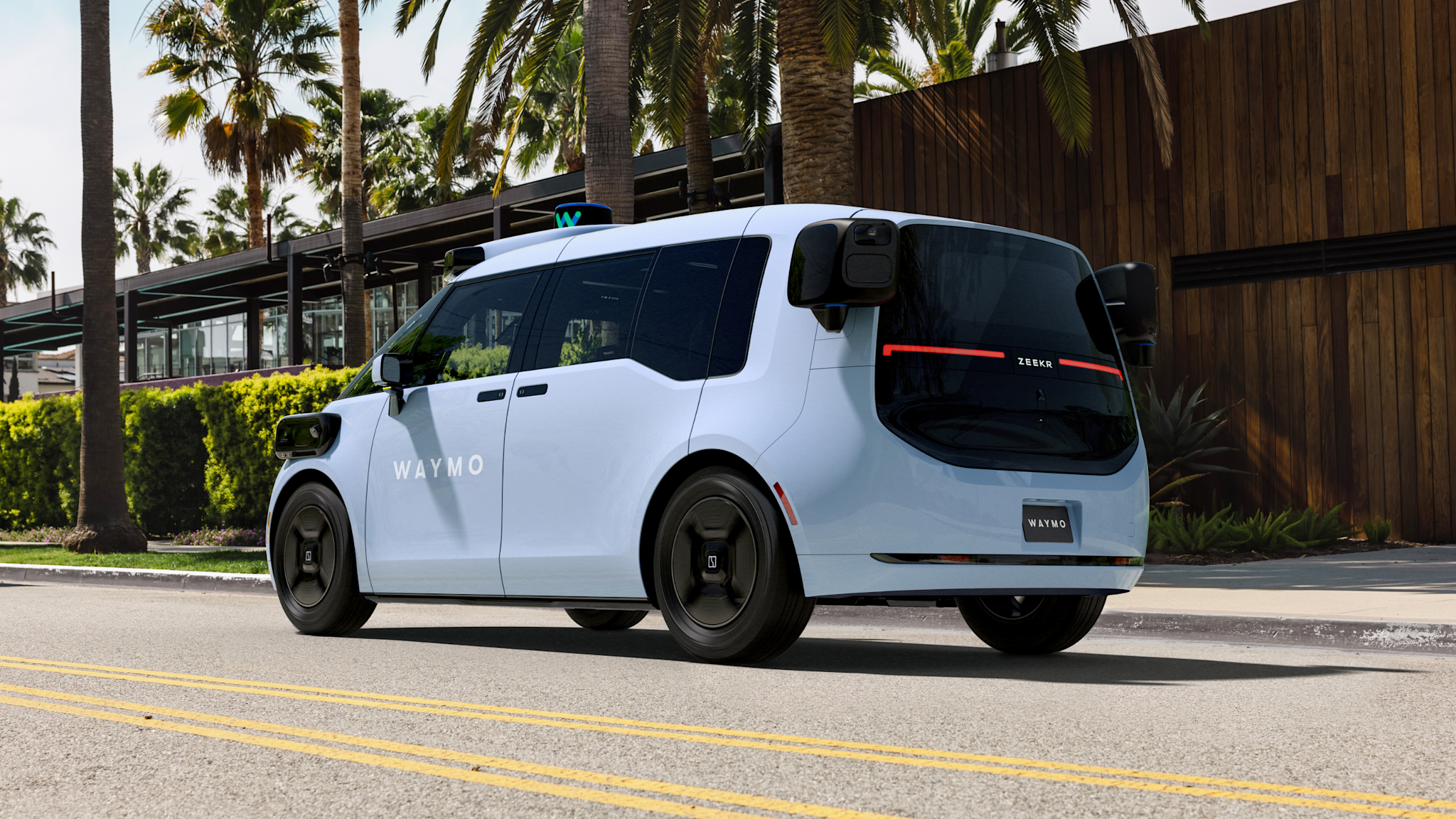
Waymo is aggressively advancing its autonomous vehicle ambitions with the rollout of its new Ojai robotaxi, a vehicle specifically engineered to operate in more challenging weather conditions, including snow, heavy rain, and dust storms. The move signals that the company is setting its sights on environments long considered difficult territory for self-driving technology, including destinations such as Lake Tahoe. Built on Waymo’s sixth-generation autonomous driving platform, the Ojai features upgraded sensors, enhanced weather-recognition capabilities, and a roomier passenger-focused design. The expansion comes as competition in the robotaxi sector intensifies and as regulators continue scrutinizing autonomous vehicle safety following several highly publicized incidents involving flooded roadways and construction zones. Despite those challenges, Waymo appears determined to prove that autonomous transportation can move beyond fair-weather urban testing and into more demanding real-world conditions.
Sources
- https://www.sfchronicle.com/sf/article/waymo-tahoe-ojai-weather-22278798.php
- https://www.theverge.com/transportation/938156/waymo-zeekr-ojai-robotaxi-passenger-trips
- https://www.businessinsider.com/waymo-launches-ojai-robotaxi-major-cities-we-tested-it-2026-5
- https://www.businessinsider.com/waymo-robotaxi-service-interruptions-pauses-suspensions-freeway-flooded-roads-2026-5
- https://www.wired.com/story/here-comes-ojai-waymos-new-chinese-made-robotaxi
Key Takeaways
- Waymo is attempting to solve one of the largest remaining obstacles in autonomous driving: reliable operation in adverse weather conditions such as snow, flooding, dust storms, and low-visibility environments.
- The company’s new Ojai robotaxi represents a strategic shift from controlled urban deployments toward broader regional transportation networks that could eventually include mountain destinations like Lake Tahoe.
- Recent recalls, weather-related incidents, and regulatory investigations underscore that autonomous vehicle technology remains far from infallible, despite aggressive industry claims about readiness and safety.
In-Depth
For years, the autonomous vehicle industry has promoted the idea that driverless transportation was just around the corner. Yet one stubborn reality kept getting in the way: weather. A self-driving car operating on a sunny San Francisco afternoon is one thing. A robotaxi navigating blowing snow in the Sierra Nevada, flash flooding in Texas, or dense fog on mountain roads is something entirely different.
That is why Waymo’s new Ojai vehicle matters. The company is openly signaling that its next phase of expansion will focus on the environments that have historically exposed the weaknesses of autonomous systems. The upgraded sensor suite, enhanced perception capabilities, and weather-focused engineering suggest that Waymo understands it cannot achieve large-scale deployment if its vehicles become unreliable whenever conditions deteriorate.
Still, caution is warranted. The timing of the rollout comes after weather-related incidents forced recalls and operational suspensions. Those events served as reminders that artificial intelligence may process enormous amounts of data, but it remains vulnerable when reality becomes chaotic and unpredictable. Snow, flooding, road debris, and rapidly changing visibility continue to challenge even the most advanced systems.
The broader lesson is that technological ambition must be balanced with public safety. While autonomous vehicles may eventually reduce human driving errors, they are not immune from failure. Waymo’s push toward destinations like Tahoe represents a significant technological milestone, but it is also a real-world test of whether Silicon Valley’s promises can withstand the harsh conditions that human drivers have dealt with for generations. As autonomous transportation expands, regulators and the public would be wise to demand proof rather than simply accepting industry assurances.