

Close Menu

    Subscribe to Updates

    Get the latest tech news from Tallwire.

      What's Hot

      Federal Reserve Warns AI Agents Could Trigger Bank Runs in Minutes, Threatening Financial Stability

      November 21, 2026

      Google Warns Autonomous AI Cyberattacks Have Arrived, Threatening U.S. Cybersecurity

      November 21, 2026

      Australia’s Greens Push 12-Month Smart Glasses Import Ban Over Privacy and Surveillance Concerns

      November 21, 2026
      Facebook X (Twitter) Instagram
      • Tech
      • AI
      • Get In Touch
      Facebook X (Twitter) LinkedIn
      TallwireTallwire
      • AI

        Google Warns Autonomous AI Cyberattacks Have Arrived, Threatening U.S. Cybersecurity

        November 21, 2026

        Federal Reserve Warns AI Agents Could Trigger Bank Runs in Minutes, Threatening Financial Stability

        November 21, 2026

        Paris Hilton Joins Bipartisan Push for DEFIANCE Act to Let AI Deepfake Victims Sue

        November 21, 2026

        Australia’s Greens Push 12-Month Smart Glasses Import Ban Over Privacy and Surveillance Concerns

        November 21, 2026

        Congressional Investigation Finds Major AI Platforms Can Generate Terrorist Attack Plans

        November 21, 2026
      • Tech

        Australia’s Greens Push 12-Month Smart Glasses Import Ban Over Privacy and Surveillance Concerns

        November 21, 2026

        CISA Warns Critical Java4Shell Security Flaw Could Allow Hackers to Hijack Computer Systems

        November 21, 2026

        Apple Pay, iCloud and App Store Outage Disrupts Thousands After Internal System Update

        November 20, 2026

        FAA’s $875 Million AI Air Traffic System Faces Scrutiny After Nationwide Flight Ground Stop

        November 19, 2026

        Uber Adds Amazon’s Zoox Robotaxis in Las Vegas, Escalating Driverless Car Competition With Waymo

        November 18, 2026
      • Business/Finance
      • Cybersecurity
      • Government
        • Legal
      • Health

        Medicare Delays Remote Patient Monitoring Restrictions Until 2029, Giving Tech Firms Reprieve

        November 11, 2026

        Anthropic’s AI Cancer Cure Claims Draw Scientific Skepticism as Drug Research Expands

        November 10, 2026

        Australia’s High Court Hears Constitutional Challenges to Social Media Ban

        November 7, 2026

        Majority of AI Health Users Trust Chatbots Over Doctors, Raising Patient Safety Concerns

        November 4, 2026

        Quantum Computing Breakthrough Could Transform AI Data Centers and Slash Energy Costs

        November 2, 2026
      • Science
        • Academia
      • Entertainment/Communications
      • People
      • Transportation
      • Opinion
      TallwireTallwire
      Home»Government»Trump Administration Moves To Assert Greater Control Over Advanced AI Models
      Government

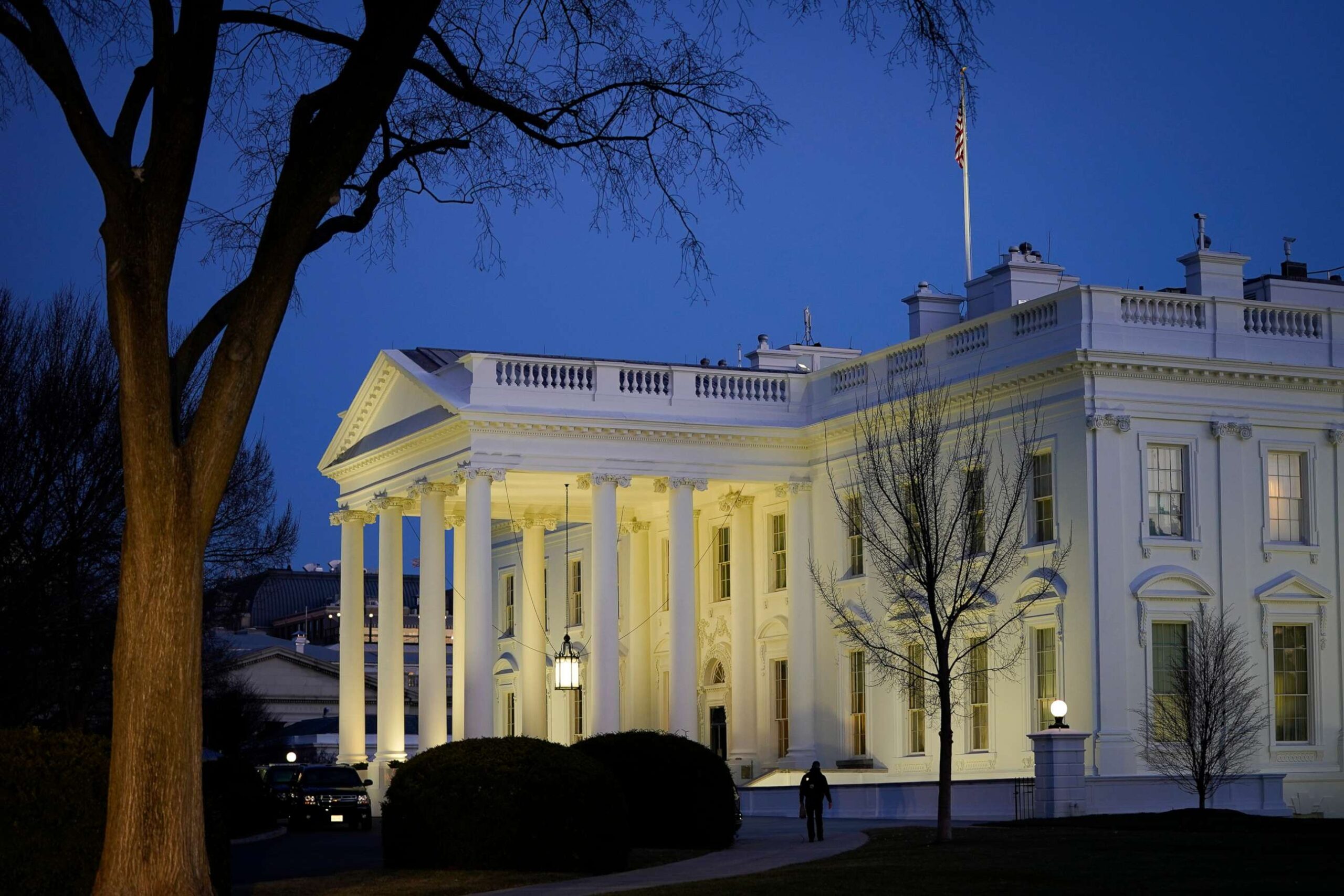
      Trump Administration Moves To Assert Greater Control Over Advanced AI Models

      3 Mins Read
      Facebook Twitter Pinterest LinkedIn Tumblr Email
      Share
      Facebook Twitter LinkedIn Pinterest Email

      The Trump administration’s escalating confrontation with Anthropic marks a significant turning point in the debate over artificial intelligence governance, national security, and corporate accountability. According to reports, federal officials moved to restrict access to Anthropic’s most advanced AI systems after concerns emerged that the models possessed capabilities that could potentially be exploited to identify software vulnerabilities and facilitate cyberattacks. The dispute reflects a broader effort by the administration to impose greater oversight on frontier AI technologies, particularly those viewed as having strategic or military implications. Supporters argue that government intervention is necessary to prevent powerful AI systems from becoming tools for hostile foreign actors, while critics contend that excessive regulation could hamper innovation and strengthen overseas competitors. The controversy underscores a growing recognition that advanced AI models are no longer merely commercial products but technologies with profound national security consequences.

      Sources

      https://www.nytimes.com/2026/06/13/us/politics/trump-anthropic-ai-models.html

      https://www.reuters.com/technology/us-blocks-foreign-access-anthropics-most-advanced-ai-models-axios-reports-2026-06-13

      https://www.wsj.com/tech/ai/anthropic-trump-officials-seek-deal-on-restoring-powerful-model-access-d9c4ffee

      https://www.theverge.com/ai-artificial-intelligence/950412/anthropic-trump-adminstration-claude-mythos-fable-5-export-controls

      Key Takeaways

      • The Trump administration is treating frontier AI models as national-security assets rather than ordinary commercial software, signaling a more aggressive federal role in regulating advanced artificial intelligence.
      • Concerns surrounding cyber capabilities, software-vulnerability discovery, and potential foreign exploitation have become central justifications for government intervention in AI deployment.
      • The confrontation highlights a growing tension between Silicon Valley AI firms seeking rapid deployment and federal policymakers who increasingly view advanced AI through the lens of geopolitical competition and national defense.

      In-Depth

      The clash between the Trump administration and Anthropic represents one of the clearest indications yet that artificial intelligence has moved from the realm of technology policy into the sphere of national security strategy. For years, many technology executives argued that government should largely stay out of AI development, allowing innovation to flourish with minimal interference. That position becomes increasingly difficult to defend when frontier AI systems demonstrate capabilities that could potentially identify software vulnerabilities, accelerate cyber operations, or provide strategic advantages to hostile foreign powers.

      From a conservative perspective, the administration’s actions reflect a legitimate concern that America’s technological leadership cannot be separated from America’s national security interests. If advanced AI models possess capabilities that could be weaponized by adversaries, the federal government has a responsibility to ensure those tools do not fall into the wrong hands. The same logic that governs export controls on advanced semiconductors or sensitive defense technologies increasingly applies to cutting-edge artificial intelligence.

      At the same time, policymakers must strike a careful balance. Overly burdensome restrictions could slow American innovation and create opportunities for foreign competitors to gain ground. The challenge for Washington is developing a framework that protects national security without suffocating the private-sector dynamism that made the United States the global leader in AI.

      What is becoming unmistakably clear is that advanced AI is no longer just another technology sector. It is increasingly viewed as a strategic asset, and future administrations—regardless of party—are likely to exercise far greater oversight over the most powerful AI systems than many technology companies anticipated.

      Anthropic Defense Tech Intel Software
      Share. Facebook Twitter Pinterest LinkedIn Tumblr Email
      Previous ArticleTaiwan and South Korea Emerge as the Biggest Winners in the Global AI Chip Race
      Next Article Trump Administration Backs Musk’s xAI in High-Stakes Mississippi Emissions Lawsuit

      Related Posts

      Google Warns Autonomous AI Cyberattacks Have Arrived, Threatening U.S. Cybersecurity

      November 21, 2026

      Federal Reserve Warns AI Agents Could Trigger Bank Runs in Minutes, Threatening Financial Stability

      November 21, 2026

      Paris Hilton Joins Bipartisan Push for DEFIANCE Act to Let AI Deepfake Victims Sue

      November 21, 2026

      Australia’s Greens Push 12-Month Smart Glasses Import Ban Over Privacy and Surveillance Concerns

      November 21, 2026
      Add A Comment
      Leave A Reply Cancel Reply

      Editors Picks

      Australia’s Greens Push 12-Month Smart Glasses Import Ban Over Privacy and Surveillance Concerns

      November 21, 2026

      CISA Warns Critical Java4Shell Security Flaw Could Allow Hackers to Hijack Computer Systems

      November 21, 2026

      Apple Pay, iCloud and App Store Outage Disrupts Thousands After Internal System Update

      November 20, 2026

      FAA’s $875 Million AI Air Traffic System Faces Scrutiny After Nationwide Flight Ground Stop

      November 19, 2026
      Popular Topics
      Startup UAE Tech Tesla Cybertruck spotlight Software Space trending Series A starlink Satya Nadella Samsung Tim Cook Stocks Series B Tesla SpaceX Sundar Pichai Satellite Viral Taiwan Tech
      Major Tech Companies
      • Apple News
      • Google News
      • Meta News
      • Microsoft News
      • Amazon News
      • Samsung News
      • Nvidia News
      • OpenAI News
      • Tesla News
      • AMD News
      • Anthropic News
      • Elbit News
      AI & Emerging Tech
      • AI Regulation News
      • AI Safety News
      • AI Adoption
      • Quantum Computing News
      • Robotics News
      Key People
      • Sam Altman News
      • Jensen Huang News
      • Elon Musk News
      • Mark Zuckerberg News
      • Sundar Pichai News
      • Tim Cook News
      • Satya Nadella News
      • Mustafa Suleyman News
      Global Tech & Policy
      • Israel Tech News
      • India Tech News
      • Taiwan Tech News
      • UAE Tech News
      Startups & Emerging Tech
      • Series A News
      • Series B News
      • Startup News
      Tallwire
      Facebook X (Twitter) LinkedIn Threads Instagram RSS
      • AI
      • Tech
      • Business/Finance
      • Cybersecurity
      • Government
      • Legal
      • Health
      • Science
      • Academia
      • Entertainment/Communications
      • People
      • Transportation
      • Opinion
      • Press Kit
      © 2026 Tallwire. Optimized by ARMOUR Digital Marketing Agency.

      Type above and press Enter to search. Press Esc to cancel.