

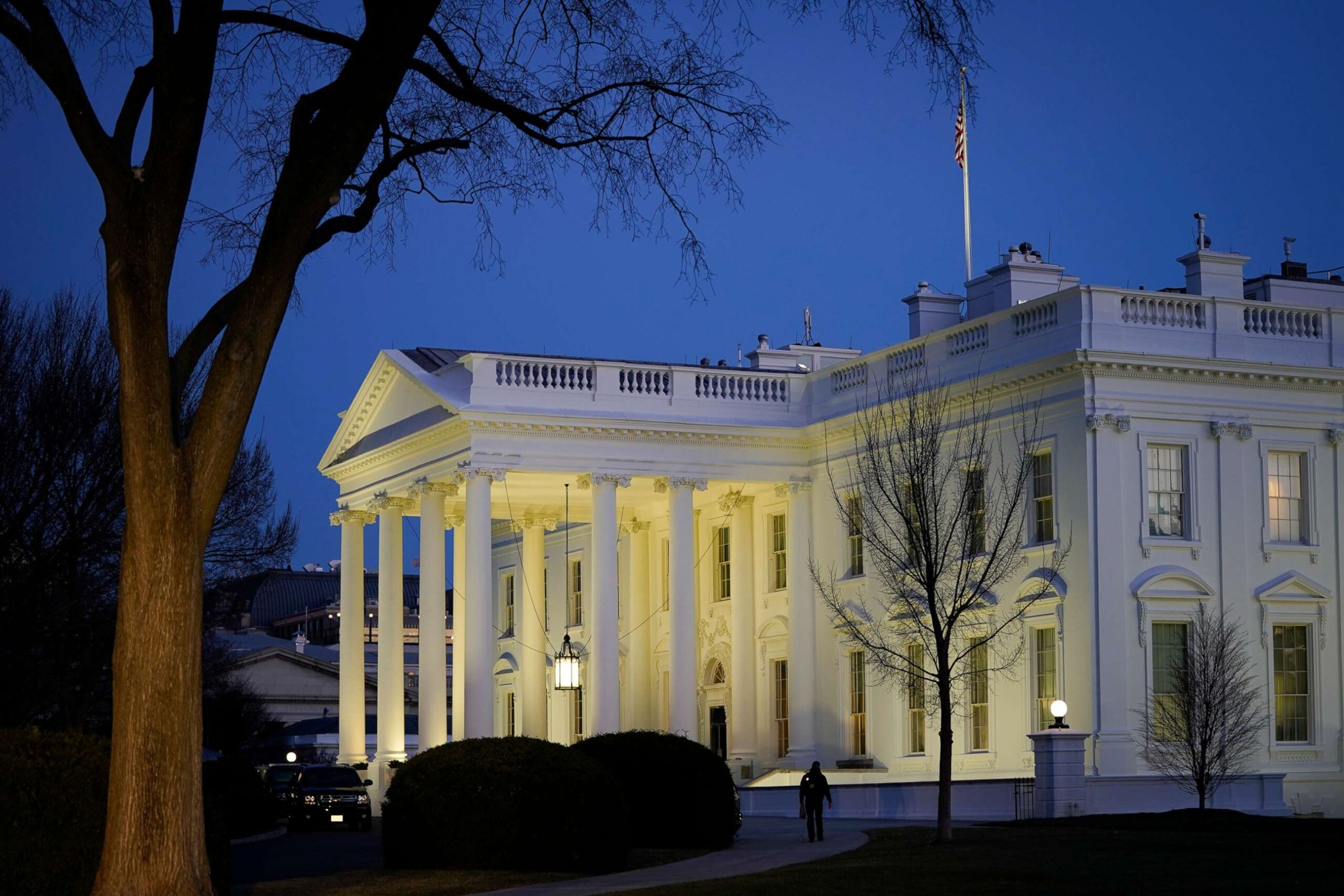
The Trump administration’s escalating confrontation with Anthropic marks a significant turning point in the debate over artificial intelligence governance, national security, and corporate accountability. According to reports, federal officials moved to restrict access to Anthropic’s most advanced AI systems after concerns emerged that the models possessed capabilities that could potentially be exploited to identify software vulnerabilities and facilitate cyberattacks. The dispute reflects a broader effort by the administration to impose greater oversight on frontier AI technologies, particularly those viewed as having strategic or military implications. Supporters argue that government intervention is necessary to prevent powerful AI systems from becoming tools for hostile foreign actors, while critics contend that excessive regulation could hamper innovation and strengthen overseas competitors. The controversy underscores a growing recognition that advanced AI models are no longer merely commercial products but technologies with profound national security consequences.
Sources
https://www.nytimes.com/2026/06/13/us/politics/trump-anthropic-ai-models.html
Key Takeaways
- The Trump administration is treating frontier AI models as national-security assets rather than ordinary commercial software, signaling a more aggressive federal role in regulating advanced artificial intelligence.
- Concerns surrounding cyber capabilities, software-vulnerability discovery, and potential foreign exploitation have become central justifications for government intervention in AI deployment.
- The confrontation highlights a growing tension between Silicon Valley AI firms seeking rapid deployment and federal policymakers who increasingly view advanced AI through the lens of geopolitical competition and national defense.
In-Depth
The clash between the Trump administration and Anthropic represents one of the clearest indications yet that artificial intelligence has moved from the realm of technology policy into the sphere of national security strategy. For years, many technology executives argued that government should largely stay out of AI development, allowing innovation to flourish with minimal interference. That position becomes increasingly difficult to defend when frontier AI systems demonstrate capabilities that could potentially identify software vulnerabilities, accelerate cyber operations, or provide strategic advantages to hostile foreign powers.
From a conservative perspective, the administration’s actions reflect a legitimate concern that America’s technological leadership cannot be separated from America’s national security interests. If advanced AI models possess capabilities that could be weaponized by adversaries, the federal government has a responsibility to ensure those tools do not fall into the wrong hands. The same logic that governs export controls on advanced semiconductors or sensitive defense technologies increasingly applies to cutting-edge artificial intelligence.
At the same time, policymakers must strike a careful balance. Overly burdensome restrictions could slow American innovation and create opportunities for foreign competitors to gain ground. The challenge for Washington is developing a framework that protects national security without suffocating the private-sector dynamism that made the United States the global leader in AI.
What is becoming unmistakably clear is that advanced AI is no longer just another technology sector. It is increasingly viewed as a strategic asset, and future administrations—regardless of party—are likely to exercise far greater oversight over the most powerful AI systems than many technology companies anticipated.