

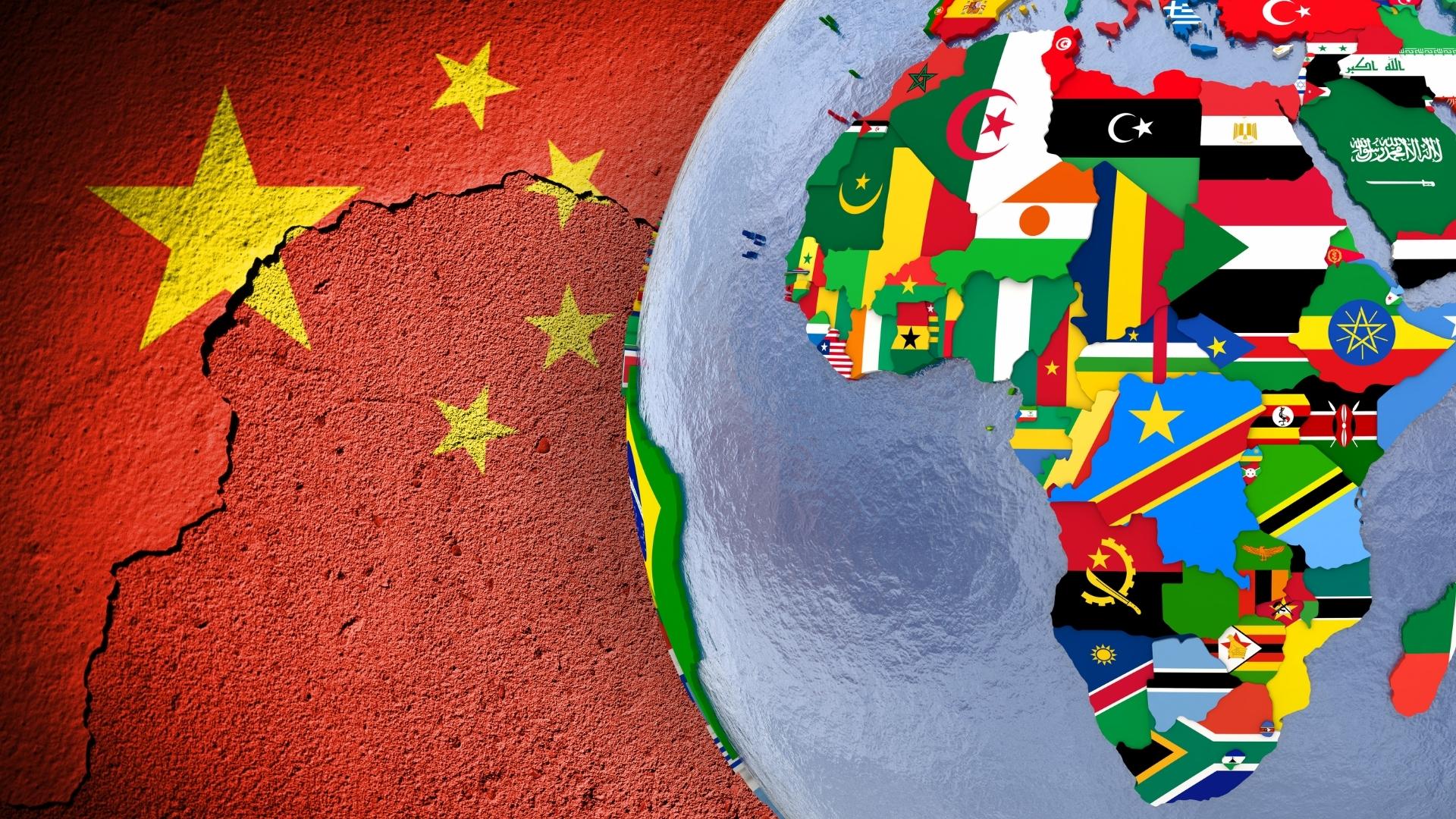
China is accelerating its artificial intelligence presence across Africa by offering AI infrastructure, cloud computing, language models, surveillance technologies, and training partnerships to governments, universities, and businesses throughout the continent. According to reporting, Beijing is positioning itself as the preferred technology partner for many African nations by providing affordable systems, financing, and technical expertise, while also strengthening its geopolitical influence. The expansion comes as the United States and its allies continue debating export controls, AI regulation, and strategic competition with China. From a conservative perspective, the development underscores the national security consequences of allowing geopolitical competitors to dominate emerging technology markets and digital infrastructure in strategically important regions.
Sources
- https://www.nytimes.com/2026/08/05/technology/ai-china-africa.html
- https://www.reuters.com/world/china
- https://www.csis.org/programs/strategic-technologies-program
Key Takeaways
- China’s AI strategy increasingly combines commercial investment with long-term geopolitical influence through infrastructure, education, and technology partnerships across Africa.
- African governments are gaining expanded access to AI capabilities at comparatively lower costs, potentially increasing long-term dependence on Chinese technology ecosystems.
- The growing competition over AI leadership is becoming a central component of broader strategic rivalry between the United States and China, extending well beyond semiconductors into global influence and digital governance.
In-Depth
China’s expanding artificial intelligence presence in Africa represents far more than a commercial technology initiative. It reflects a deliberate effort to shape the next generation of global digital infrastructure while extending Beijing’s diplomatic and economic influence. By pairing AI platforms with cloud services, telecommunications investments, training programs, and financing, China is building relationships that could endure for decades.
For the United States, the challenge is not simply that China is exporting software. It is that Beijing is embedding itself within the technological foundations of developing economies. Nations that adopt Chinese AI systems often become tied to compatible hardware, cloud platforms, technical standards, and long-term support networks. That creates strategic leverage extending well beyond technology into trade, diplomacy, and security cooperation.
Supporters argue African countries are making pragmatic decisions by selecting affordable technology that can accelerate economic development. Critics counter that the long-term costs may include increased dependence on Chinese digital infrastructure, reduced technological independence, and greater exposure to surveillance capabilities developed under China’s governance model.
From a conservative standpoint, the lesson is clear: technological leadership is inseparable from national security. If the United States wishes to remain the world’s leading technological power, it cannot rely solely on restricting competitors. It must also provide compelling alternatives through innovation, investment, trusted partnerships, and competitive financing. The contest over artificial intelligence is rapidly becoming a contest over global influence itself, and Africa has emerged as one of its most consequential battlegrounds.