

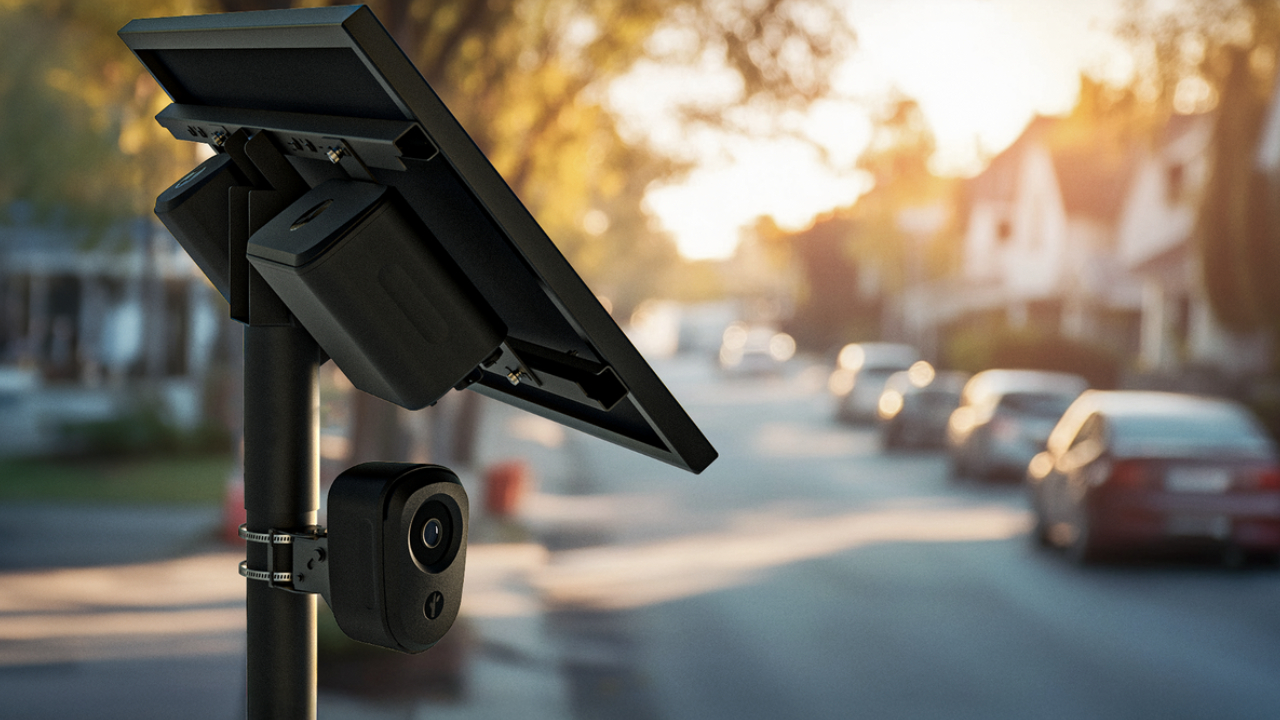
A Florida woman spent 13 days behind bars facing eight felony charges after investigators focused on automated license-plate-reader data that placed her black Dodge Durango near a deadly Interstate 4 crash. Lindsey Brooke Isaacs was ultimately cleared after a reinvestigation found her vehicle lacked crash damage and other evidence pointed toward a maroon Durango with a different partial plate. Prosecutors dropped every charge against Isaacs and authorities arrested another woman, who has pleaded not guilty. Flock Safety says its technology provided an investigative lead rather than identifying a perpetrator and argues that its data actually helped establish Isaacs’ innocence. The case nevertheless underscores growing concerns about government reliance on expansive vehicle-surveillance networks, particularly when technological leads are allowed to overshadow contradictory physical and eyewitness evidence.
Key Takeaways
- Isaacs spent 13 days jailed on serious felony charges even though investigators possessed evidence pointing toward a different-colored vehicle, a different partial license plate and an apparent absence of collision damage on her SUV.
- Flock argues its system accurately recorded Isaacs’ vehicle and that responsibility rests with investigators who interpreted the information; the case therefore raises a broader issue about whether automated surveillance is being treated as an investigative tool or as presumptive evidence.
- Florida has ordered license-plate readers removed from state-highway rights-of-way, citing reports of misuse, privacy concerns and surveillance practices, reflecting mounting concern about how extensively government can track citizens’ movements.
In-Depth
A Florida wrongful-arrest case is becoming a warning about what happens when automated surveillance substitutes for ordinary police work. Lindsey Brooke Isaacs, 23, spent 13 days in jail after investigators connected her black Dodge Durango to an October 2025 Interstate 4 crash that killed three people. A Flock license-plate reader had recorded her vehicle nearby shortly before the collision.
But the camera record was never proof that Isaacs caused the crash. Her attorney’s time-and-distance analysis indicated her vehicle was already beyond the crash location when the collision occurred. Other evidence pointed elsewhere: a 911 caller described a maroon Durango and supplied a partial plate, while investigators later found maroon paint transfer on another vehicle. Isaacs’ SUV reportedly lacked collision damage.
After prosecutors and a specialized investigative team revisited the evidence, all eight felony charges against Isaacs were dropped May 22. Authorities then arrested another woman whose maroon Durango and partial plate allegedly matched evidence from the original investigation. She has pleaded not guilty, and the charges remain allegations.
Flock maintains its cameras provide investigative leads and argues its data actually supported Isaacs’ innocence. That distinction matters. The deeper failure alleged is investigators treating surveillance data as a conclusion instead of evidence requiring verification.
Florida has since ordered license-plate readers removed from state-highway rights-of-way, citing misuse, privacy concerns and expanding surveillance. The case illustrates the constitutional danger: technology can aid policing, but surveillance combined with weak investigative discipline can put an innocent citizen behind bars while creating records of Americans’ movements.