

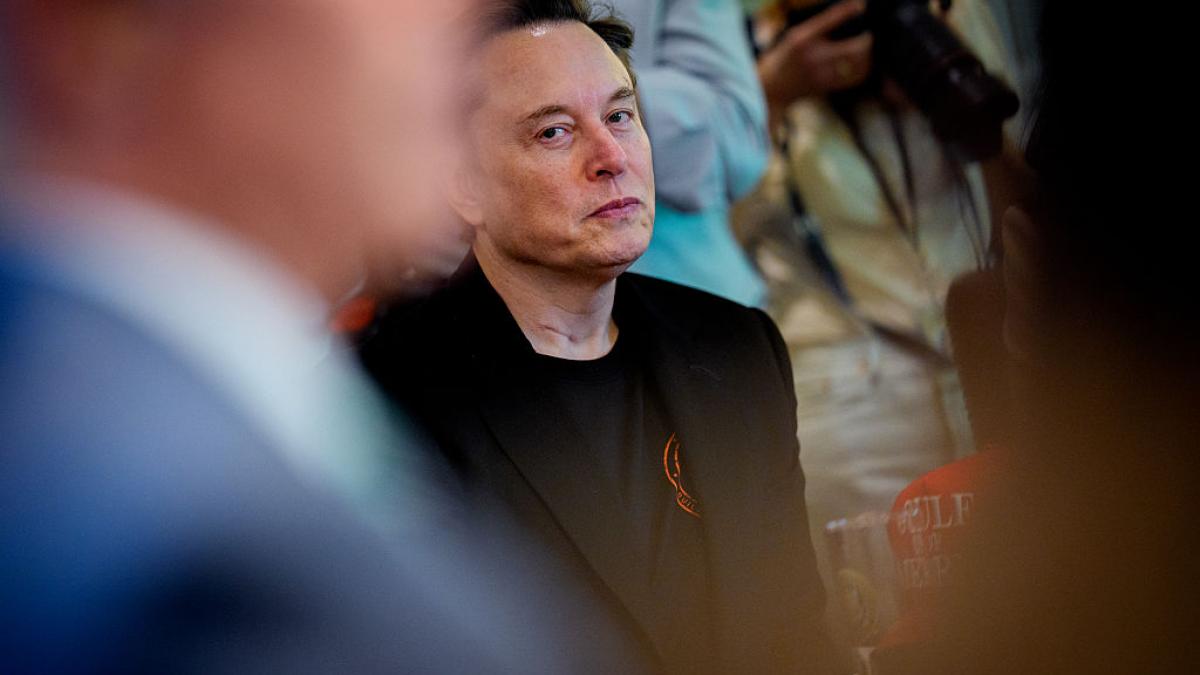
Elon Musk has become the world’s first “former trillionaire” after a sharp decline in the market value of both Tesla and SpaceX erased hundreds of billions of dollars from his paper wealth, pushing his net worth back below the $1 trillion mark. The reversal follows the extraordinary surge that accompanied SpaceX’s historic public offering in June, when investor enthusiasm briefly propelled Musk’s fortune above the trillion-dollar threshold. Since then, disappointing Tesla earnings, declining vehicle sales, questions surrounding ambitious product timelines, insider selling concerns, and a steep retreat in SpaceX’s share price have combined to reduce his net worth by roughly $200 billion from its peak. Despite the dramatic decline, Musk remains by a wide margin the world’s wealthiest individual, underscoring both the enormous scale of his business empire and the volatility that accompanies valuations driven by investor expectations rather than traditional financial metrics.
Sources
- https://www.dailywire.com/news/elon-musk-becomes-worlds-first-former-trillionaire
- https://www.reuters.com/business/media-telecom/spacex-ipo-makes-elon-musk-worlds-first-trillionaire-2026-06-11
- https://www.investopedia.com/elon-musk-keeps-getting-richer-here-s-how-his-wealth-blew-past-usd1-trillion-11998825
- https://www.wsj.com/finance/stocks/reality-bites-elon-musk-and-his-tesla-spacex-believers-1b639591
Key Takeaways
- Musk’s fall below the $1 trillion mark was driven primarily by significant declines in Tesla and SpaceX share prices after an initial post-IPO surge pushed his wealth to historic levels.
- Even after losing roughly $200 billion in paper wealth, Musk remains the world’s richest individual, illustrating the unprecedented scale of his ownership stakes in multiple high-value technology companies.
- The episode demonstrates how rapidly fortunes tied to publicly traded growth companies can fluctuate as investor sentiment shifts from optimism about future innovation to greater scrutiny of earnings, execution, and valuation.
In-Depth
Just weeks after becoming the first person in history to accumulate a verified trillion-dollar fortune, Elon Musk has provided an equally historic reminder that markets ultimately determine wealth—not headlines. The spectacular run-up in SpaceX following its public debut created an unprecedented concentration of value around one entrepreneur, but the correction that followed has been nearly as dramatic as the ascent.
Tesla has faced increasing pressure from softer demand, investor concerns over execution, and questions surrounding the timing of several high-profile initiatives. Meanwhile, SpaceX’s stock has retreated sharply after the excitement surrounding its initial public offering faded and investors began focusing more closely on the company’s future growth, capital requirements, and execution risks. Those developments have translated directly into Musk’s personal net worth because the overwhelming majority of his wealth remains tied to equity ownership rather than liquid cash.
The episode also serves as a cautionary example of the difference between paper wealth and realized wealth. During periods of market exuberance, investors often assign premium valuations to companies expected to dominate transformative industries such as artificial intelligence, autonomous transportation, and commercial spaceflight. When expectations become more measured, those same valuations can contract with astonishing speed, even if the underlying businesses remain industry leaders.
From a free-market perspective, this volatility reflects markets functioning as intended. Investors reward innovation and growth but also impose discipline when expectations outpace execution. Musk’s companies remain among the world’s most influential technology enterprises, yet their valuations are ultimately determined by millions of independent investment decisions rather than celebrity or political influence. His transition from the world’s first trillionaire to its first former trillionaire is therefore less a story about personal decline than a vivid illustration that even history-making fortunes remain subject to the unforgiving judgment of the marketplace.