

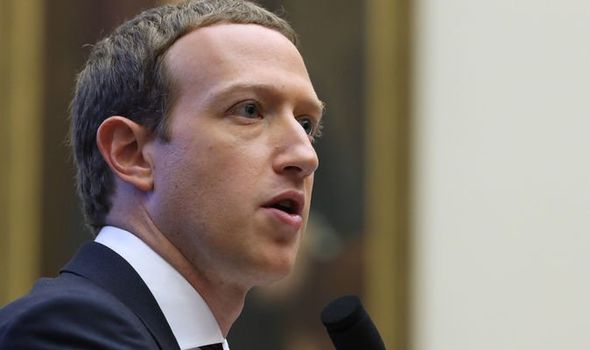
Meta is lobbying Congress to include legal protections in pending online-safety legislation that would limit or preempt lawsuits alleging harm to minors from social media platforms. The effort comes as the company faces thousands of lawsuits nationwide and follows a series of courtroom setbacks in which juries found Meta and other technology companies liable for harms allegedly linked to addictive platform features and inadequate child protections. Critics argue the proposal would amount to broad immunity for Big Tech at the very moment accountability is beginning to emerge, while Meta contends that a federal framework is necessary to create consistent national standards rather than a patchwork of state laws. The debate is unfolding alongside renewed congressional consideration of the Kids Online Safety Act, one of the most significant attempts in decades to regulate online platforms and protect children from potentially harmful digital environments.
Sources
- https://www.foxbusiness.com/technology/meta-lobbies-congress-immunity-from-lawsuits-alleging-online-harm-children
- https://www.reuters.com/world/meta-lobbies-congress-protection-child-harm-lawsuits-2026-06-18
- https://www.investors.com/news/technology/tech-stocks-meta-google-section-230-legal-shield-attacks
- https://www.axios.com/2026/03/27/meta-bad-week-hill-action
Key Takeaways
- Meta is seeking federal legal protections while facing mounting litigation alleging that social media platform designs contribute to addiction, mental-health issues, and other harms among minors.
- Recent jury verdicts against major technology companies have weakened the perception that Big Tech can indefinitely avoid accountability through existing legal protections and procedural defenses.
- The fight over child online safety is increasingly becoming a broader debate over whether Congress should prioritize protecting children or insulating powerful technology companies from lawsuits.
In-Depth
Meta’s latest push for liability protections highlights a growing clash between Big Tech and families seeking accountability for harms allegedly caused by social media platforms. For years, technology companies have largely operated behind legal barriers that made it difficult for parents, schools, and state governments to hold them responsible for negative outcomes associated with their products. That landscape now appears to be shifting.
Recent courtroom defeats have placed Meta and other technology giants on the defensive. Plaintiffs have successfully argued that certain platform features—including infinite scrolling, algorithmic engagement tools, and other mechanisms designed to maximize user attention—can contribute to harmful outcomes for younger users. Those rulings have emboldened lawmakers and advocacy groups who contend that social media companies knowingly prioritized engagement and advertising revenue over the well-being of children.
From a conservative perspective, the central issue is accountability. If a company profits from a product that allegedly harms children, many Americans believe that parents and communities should retain the right to seek legal remedies. Efforts to secure broad immunity from lawsuits inevitably raise concerns that large corporations are attempting to use federal legislation to shield themselves from consequences rather than address underlying problems.
Supporters of stronger online-safety laws argue that Congress should focus on protecting minors first and corporate interests second. Whether lawmakers ultimately adopt Meta’s proposed protections remains uncertain, but the controversy underscores a larger reality: public patience with Big Tech’s longstanding legal privileges appears to be wearing thin. As pressure grows from courts, state governments, and concerned parents, the demand for greater responsibility from social media platforms is unlikely to fade anytime soon.