

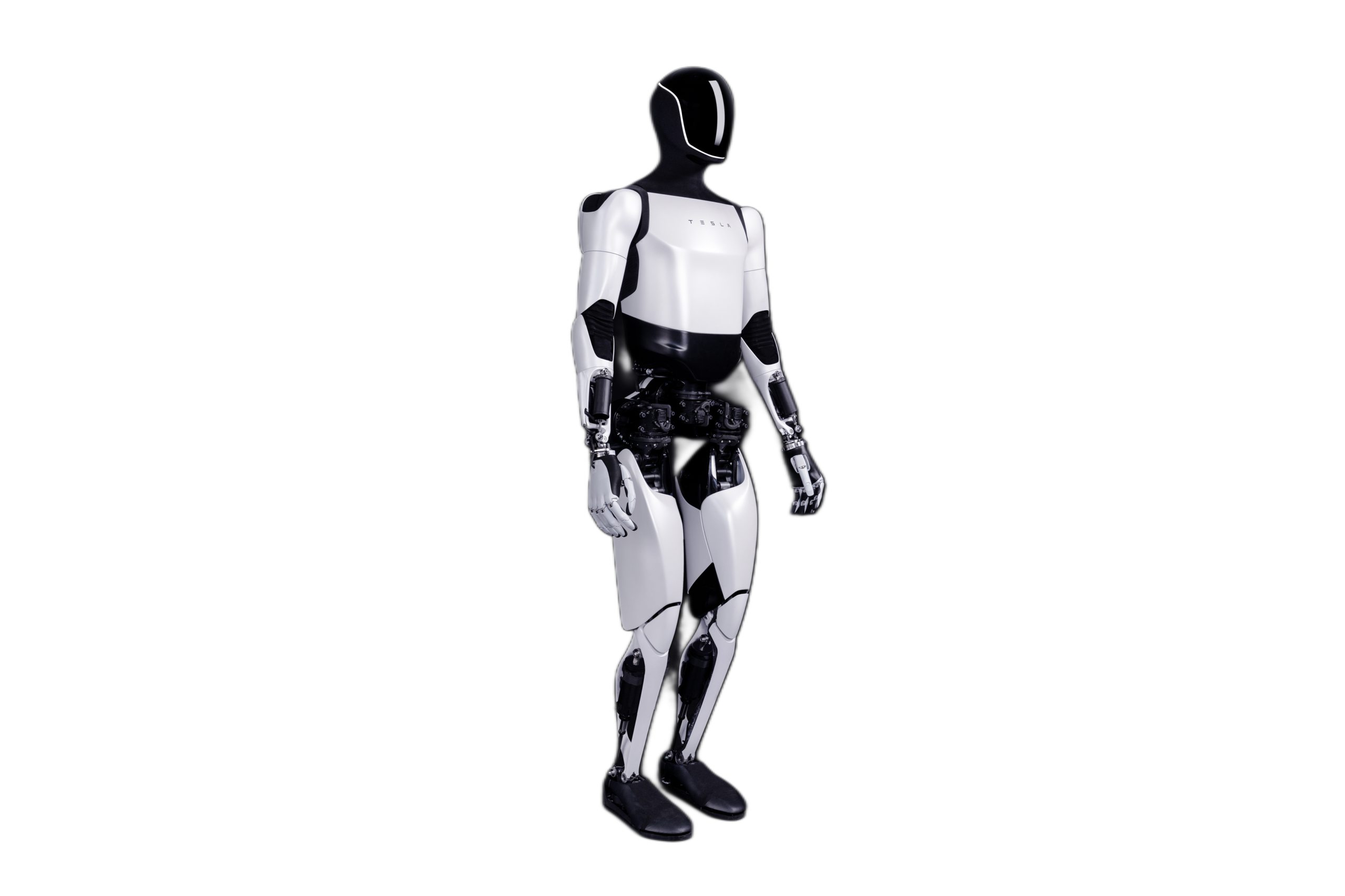
San Mateo County has approved a resolution directing county staff to explore a regulatory framework for the commercial deployment of humanoid robots, reflecting growing concern that rapid advances in robotics are outpacing existing public safety and liability standards. The proposal contemplates a permitting system for businesses operating humanoid robots, with discussions also focusing on emergency response, lithium-ion battery fire risks, insurance, accountability, and operational safeguards. County leaders argued that proactive regulation is preferable to waiting until widespread commercial deployment creates unforeseen hazards, particularly given Silicon Valley’s central role in AI and robotics development. The measure does not immediately impose new regulations but instead initiates the process of studying and developing a comprehensive policy framework that could serve as a model for other jurisdictions. Supporters characterize the effort as prudent governance designed to balance technological innovation with public safety and responsible oversight, while critics are likely to view it as another layer of regulation that could slow private-sector innovation. Overall, the resolution reflects an emerging debate over how local governments should respond as humanoid robots move from research laboratories into everyday commercial settings.
Key Takeaways
- • San Mateo County has initiated development of a regulatory framework for commercial humanoid robots before widespread deployment occurs, emphasizing proactive rather than reactive governance.
- • County officials identified public safety, emergency response, liability, battery fire risks, and operational accountability as central issues requiring regulatory attention.
- • The effort illustrates a broader trend of local governments attempting to establish guardrails for emerging AI-powered technologies while seeking to preserve innovation and economic growth.
In-Depth
San Mateo County’s action represents one of the more aggressive local government efforts to address the rapid commercialization of humanoid robotics before the technology becomes commonplace. Rather than waiting for accidents or legal disputes to define policy, county officials are pursuing a framework that establishes expectations for businesses deploying these machines in commercial environments. The approach reflects growing recognition that advances in artificial intelligence and robotics are occurring faster than traditional regulatory systems can adapt.
Among the primary concerns raised are public safety and emergency preparedness. Humanoid robots often rely on high-capacity lithium-ion battery systems that present unique firefighting challenges when damaged or ignited. Officials also discussed broader questions surrounding operational accountability, insurance requirements, and responsibility when autonomous or semi-autonomous systems malfunction. Those issues become increasingly important as robots transition from controlled industrial settings into retail stores, warehouses, healthcare facilities, and other public-facing environments.
From a policy perspective, the county’s initiative reflects a conservative principle that technological innovation should be accompanied by clearly defined responsibility. Markets generally function best when rules governing liability and public safety are established before widespread adoption creates confusion or costly litigation. While excessive regulation can discourage investment, narrowly tailored safeguards can provide businesses with greater legal certainty and increase public confidence in emerging technologies.
Whether San Mateo County ultimately adopts permits or other regulatory mechanisms remains to be seen, but its decision signals that local governments are no longer treating humanoid robotics as a distant possibility. Instead, officials increasingly view commercial deployment as an imminent reality requiring practical governance, clear standards, and thoughtful oversight that protects the public without unnecessarily hindering technological progress.
Sources
- https://www.zerohedge.com/ai/san-mateo-county-passes-resolution-regulate-commercial-humanoid-robots
- https://sanmateocounty.legistar.com/LegislationDetail.aspx?GUID=598380F3-785B-416B-A4C4-47F921E5E97F&ID=7317281
- https://sanmateocounty.legistar.com/View.ashx?GUID=F36CF1A1-F883-4735-915D-4B44C74420E3&ID=5683806&M=F