

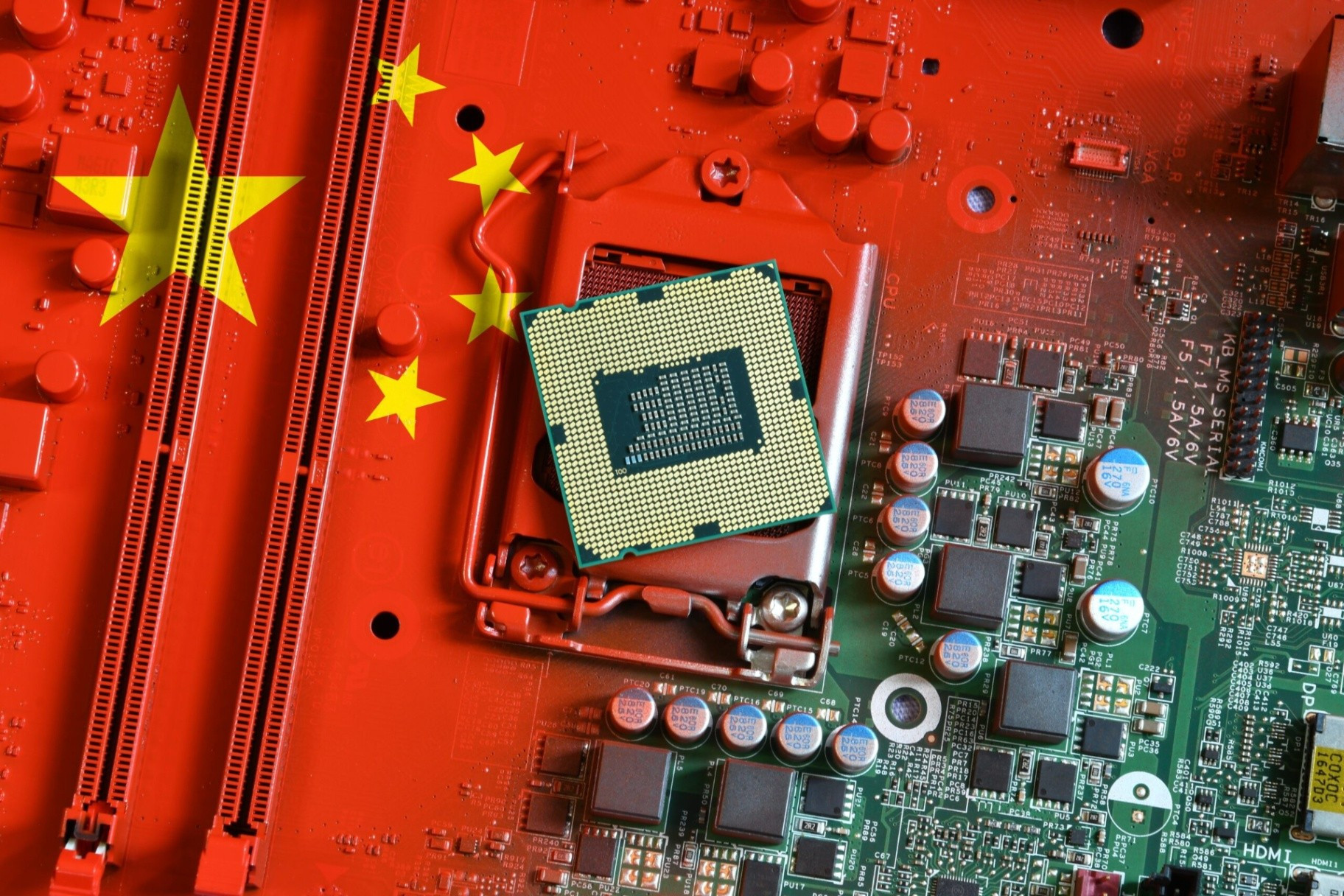
The rapid advancement of Chinese artificial intelligence models, exemplified by Z.ai’s GLM-5.2 release, is closing the performance gap with leading American developers like Anthropic and OpenAI at a fraction of the cost, raising serious alarms about America’s eroding technological edge amid government restrictions on domestic models and concerns over Chinese intellectual property theft and national security risks.
Sources
- https://www.nytimes.com/2026/06/25/technology/zai-china-artificial-intelligence-models.html
- https://www.reuters.com/world/asia-pacific/after-anthropic-shutdown-chinas-zai-closes-frontier-gap-it-plans-dual-listing-2026-06-25/
- https://nypost.com/2026/06/22/business/cheap-chinese-ai-models-are-quickly-gaining-customers-across-the-us-market/
Key Takeaways
- Chinese models like GLM-5.2 deliver near-frontier performance for coding and complex tasks at roughly one-sixth the cost of U.S. counterparts, attracting Silicon Valley users desperate to cut expenses after Anthropic’s government-mandated shutdown.
- Beijing-backed firms leverage open-source strategies and domestic chips to bypass U.S. export controls, accelerating their catch-up while American companies face regulatory hurdles and accusations of data distillation from Chinese developers.
- This shift underscores the dangers of over-reliance on foreign AI infrastructure, with national security experts warning that Communist China’s models pose risks to U.S. innovation and data sovereignty.
In-Depth
As the Trump administration works to safeguard American technological supremacy, the latest moves from Chinese AI labs serve as a stark reminder that complacency in the face of aggressive foreign competition could hand the future of innovation to Beijing. Z.ai’s GLM-5.2 model burst onto the scene just days after U.S. authorities restricted access to Anthropic’s most advanced systems, offering capabilities that rival top American offerings while slashing costs dramatically. This timing is no coincidence; it highlights how China’s state-aligned tech sector pounces on any perceived weakness in the West, flooding the market with affordable alternatives that appeal to cash-strapped developers and businesses.
Conservatives have long warned about the perils of unchecked engagement with the Chinese Communist Party in critical sectors like artificial intelligence. With models such as GLM-5.2 ranking high on global leaderboards for coding and agentic tasks, Silicon Valley insiders are flocking to these tools despite legitimate fears of embedded backdoors, data exfiltration under China’s national intelligence laws, and reliance on stolen Western technology. Reports indicate Chinese firms have employed distillation techniques to siphon knowledge from U.S. models, undermining the very investments that built America’s lead. This is not fair competition but a calculated strategy by an adversary intent on dominating the next industrial revolution.
The broader implications for U.S. national security and economic strength are profound. While American firms grapple with high operational costs and regulatory scrutiny aimed at responsible development, Beijing pours resources into open-source models that spread rapidly, potentially embedding influence across global infrastructure. Six of the top ten models on popular leaderboards now hail from China, a testament to their focus on efficiency and accessibility over the bloated spending seen in some U.S. labs. This trend risks eroding America’s advantage in high-stakes fields like defense, cybersecurity, and manufacturing, where AI superiority could determine outcomes in future conflicts. Policymakers must prioritize domestic innovation, enforce strict export controls, and scrutinize partnerships that expose sensitive data to CCP-linked entities.
Yet, the enthusiasm for these cheaper models reveals a market failure driven by short-term thinking. Businesses chasing savings today may regret it when geopolitical tensions escalate or hidden dependencies surface. True leadership demands rejecting the allure of adversarial tech in favor of robust, America-first solutions that protect liberty and prosperity. As China races toward artificial general intelligence with government backing, the United States cannot afford to lag, lest it wake up to a world where critical technologies are controlled from Beijing rather than built on the principles of freedom that have defined Western progress. This moment calls for renewed commitment to deregulation where safe, targeted investment in U.S. talent and infrastructure, and a hardline stance against technology transfers that empower our competitors. Only by recognizing the threat can America maintain its rightful position at the forefront of the AI revolution.