

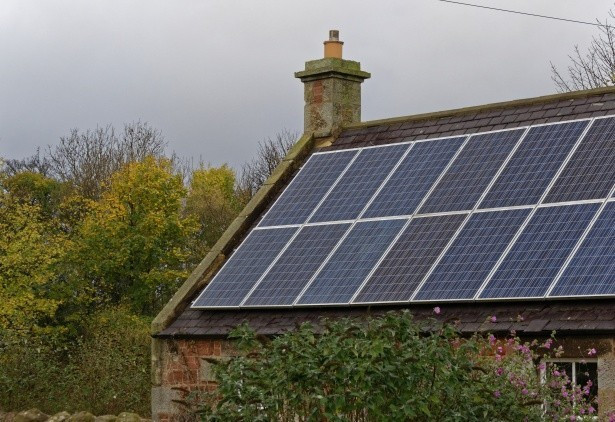
The explosive growth of artificial intelligence is driving unprecedented electricity demand from data centers, prompting innovative solutions that leverage existing residential solar panels, home batteries, smart thermostats, and other devices to create virtual power plants capable of supporting multiple large-scale facilities without the delays and massive costs of traditional utility infrastructure.
Sources
- https://investors.sunrun.com/news-events/press-releases/detail/372/sunrun-renew-home-and-tesla-team-up-to-deliver-more-than
- https://www.canarymedia.com/articles/virtual-power-plants/tesla-sunrun-renewhome-vpp
- https://www.rtoinsider.com/135178-virtual-power-plant-could-total-16-8gw-nationwide/
Key Takeaways
- Tesla, Sunrun, and Renew Home are partnering to aggregate over 16 gigawatts of flexible capacity from millions of homes, providing a rapid-response solution equivalent to powering 17 large data centers during peak demand periods driven by AI expansion.
- This distributed approach uses home batteries to store excess solar energy and smart devices to shift loads, offering a faster and potentially less burdensome alternative to building new power plants that would otherwise raise electricity rates for all consumers.
- Participants can earn payments or bill credits, turning everyday American households into active contributors to grid stability while addressing public concerns over data center impacts without relying on heavy-handed government mandates or subsidies.
In-Depth
The relentless march of artificial intelligence is exposing the frailties of America’s outdated energy grid, where hyperscale data centers hungry for power are clashing with slow-moving bureaucratic utilities and environmentalist roadblocks that prioritize ideology over practical progress. Big Tech‘s insatiable appetite for AI infrastructure risks saddling families with skyrocketing bills if left unchecked, as building new centralized power plants takes years and billions while passing costs onto ratepayers. Yet a market-driven partnership among Tesla, Sunrun, and Renew Home offers a refreshingly American solution: harnessing the untapped potential already sitting on rooftops and in garages across the nation. By orchestrating solar panels, home batteries, thermostats, water heaters, and even vehicle-to-grid systems into virtual power plants, these companies can deliver more than 16 gigawatts of flexible capacity—enough to support numerous AI facilities during high-demand stretches without massive new construction.
This initiative stands in stark contrast to the far-left’s reflexive push for top-down regulations and unreliable renewables that often fail when needed most. Instead of forcing utilities to chase endless permits for massive solar farms or gas plants that activists inevitably sue into oblivion, this leverages millions of opt-in homeowner devices already installed. Home batteries charge during sunny surpluses and discharge in evenings or peaks, while smart thermostats make minor adjustments to ease grid strain—all coordinated through software for instantaneous response. The result is a paradigm that rewards innovation and individual participation rather than punishing producers and consumers with higher taxes and mandates. Early programs have already paid out tens of millions to participants, demonstrating how free-market incentives align interests far better than government fiat.
Critics on the left decry data centers as environmental villains, but this approach defuses that narrative by empowering everyday Americans to profit while powering technological leadership against adversaries like China. Utilities often have baseline capacity but falter under peaks; virtual resources bridge that gap swiftly, potentially deferring billions in infrastructure spending that would otherwise inflate everyone’s bills. With AI projected to multiply energy needs dramatically, embracing distributed, resilient solutions like these is essential to maintaining America’s competitive edge. It avoids the pitfalls of over-reliance on intermittent sources or endless subsidies, focusing instead on reliability and abundance. Homeowners gain backup power and income, grids gain flexibility, and innovators gain the juice needed for breakthroughs—proving once again that conservative principles of limited interference and entrepreneurial spirit deliver results where progressive central planning stalls. This model could scale nationwide, turning a potential crisis into an opportunity that strengthens households and secures technological dominance without burdening future generations with debt or blackouts.