

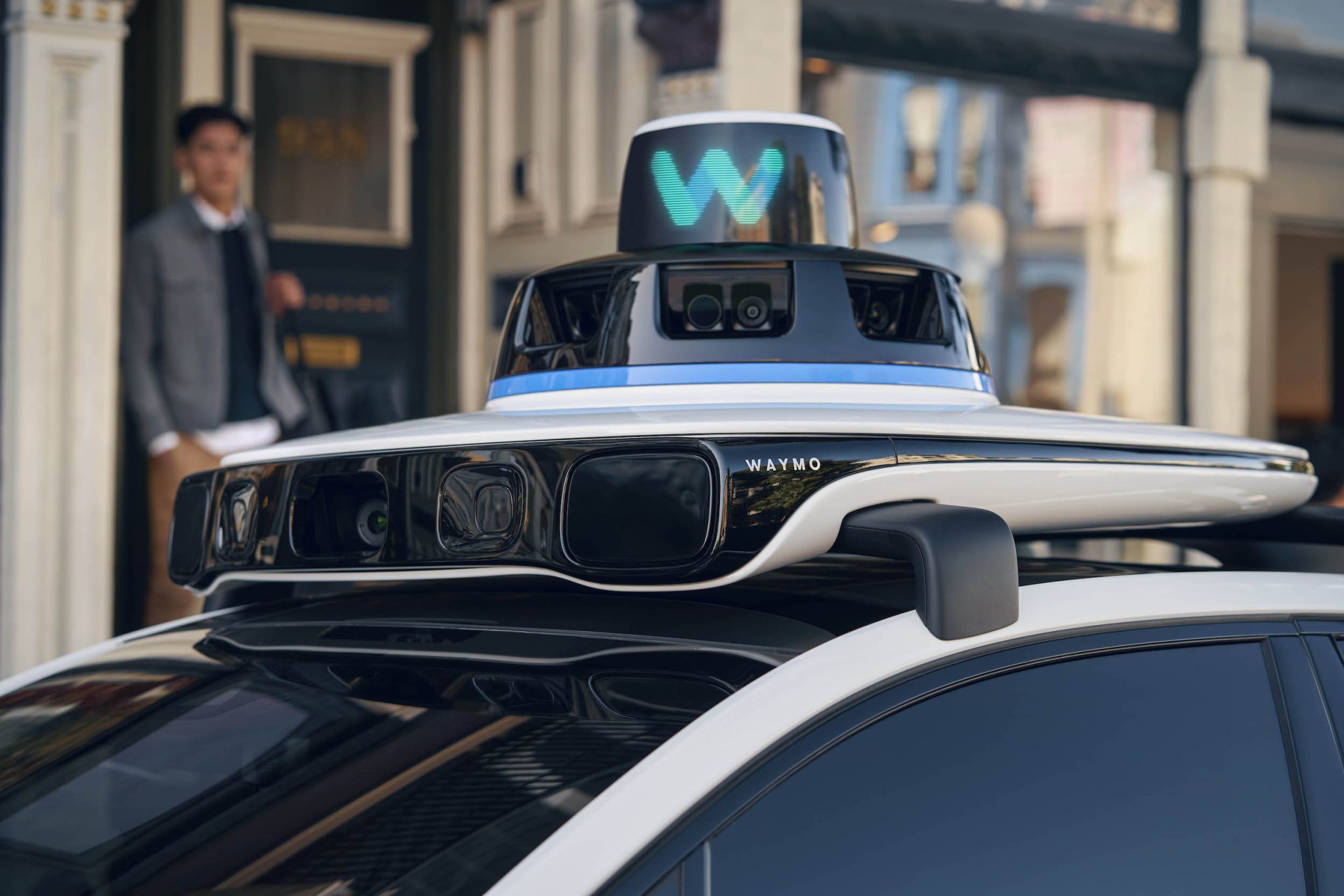
Three juveniles were seen riding with their upper bodies hanging out of the windows of a driverless Waymo vehicle as it traveled from Santa Monica into West Los Angeles, prompting renewed debate over how autonomous vehicles should respond when passengers engage in dangerous behavior. According to witness accounts, a bystander contacted Waymo customer service while following the vehicle and was told the company had the ability to stop the robotaxi if it determined there was a safety threat. The vehicle, however, continued to its destination while the occupants allegedly continued their risky conduct. Waymo later stated that only two riders briefly sat on the window ledges, that all passengers arrived safely, and that the customer account involved has been suspended. The incident is adding to broader concerns over whether autonomous vehicle companies have developed sufficiently aggressive intervention protocols to protect not only their passengers but also surrounding motorists and pedestrians when obvious misuse occurs. While autonomous driving technology continues to advance, critics argue that innovation cannot come at the expense of immediate public safety.
Sources
- https://www.latimes.com/california/story/2026-06-23/teens-hang-out-waymo-travels-through-westside-witness-alerts-company-car-doesnt-stop
- https://abc7.com/post/teens-seen-hanging-out-waymo-busy-santa-monica-traffic/17152748
- https://www.nbclosangeles.com/news/local/waymo-kids-hanging-out-windows-santa-monica/3778867
Key Takeaways
- Autonomous vehicle technology is now confronting a new challenge: responding appropriately when passengers themselves create dangerous conditions while the vehicle is operating.
- The incident highlights lingering questions about when autonomous vehicle operators should remotely intervene and whether existing safety protocols are sufficiently proactive.
- As driverless vehicles become more common, regulators and the public are likely to demand clearer accountability standards governing both passenger behavior and company response procedures.
In-Depth
The Santa Monica incident illustrates an uncomfortable reality for autonomous vehicle developers: engineering a car that safely navigates traffic is only part of the challenge. Equally important is determining how the vehicle should respond when its occupants deliberately disregard basic safety rules. A human rideshare driver would almost certainly have instructed the passengers to remain seated or ended the trip altogether. A fully autonomous vehicle lacks that immediate authority, placing greater responsibility on the operating company to intervene remotely when obvious dangers emerge.
For supporters of technological innovation, autonomous vehicles promise reduced traffic fatalities, improved mobility, and fewer accidents caused by impaired or distracted human drivers. Those potential benefits remain significant. Yet every widely publicized failure to address unsafe passenger conduct risks undermining public confidence in the technology before it achieves broader acceptance.
The episode also raises legitimate policy questions. If a company can monitor events inside a vehicle and possesses the capability to stop it safely, many will ask why intervention did not occur sooner. Companies understandably must balance the risk of stopping in unsafe traffic conditions against the danger posed by passenger misconduct, but those decisions deserve transparent standards rather than ad hoc judgments.
Ultimately, autonomous transportation will earn lasting public trust only if safety consistently overrides convenience. Driverless technology cannot simply meet engineering benchmarks; it must also demonstrate that, when confronted with obvious misuse, the system places the protection of passengers and the public above every other consideration.