

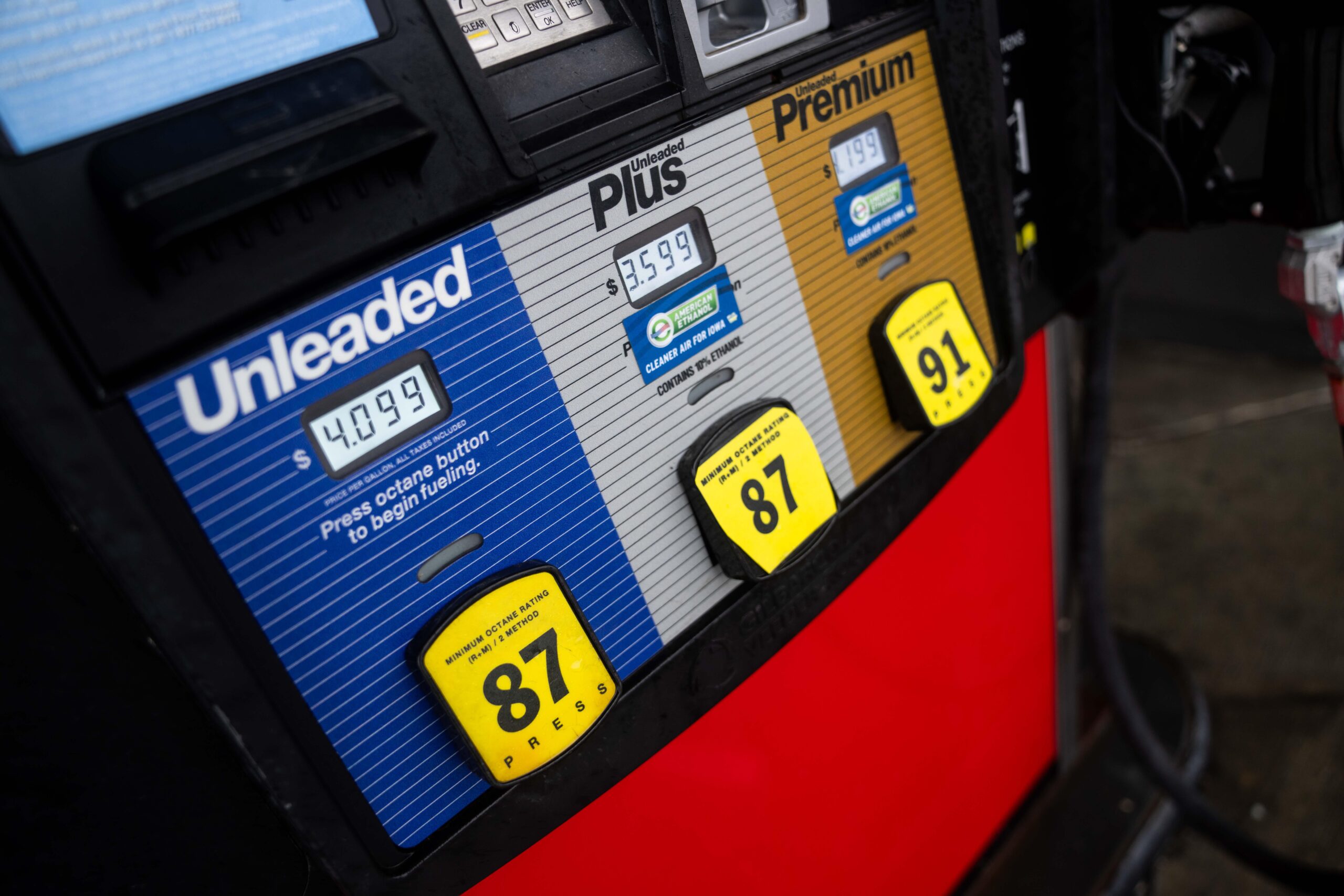
California drivers have filed a federal class-action lawsuit alleging that several of the nation’s largest fuel retailers and the pricing software company Kalibrate used artificial intelligence to coordinate gasoline prices rather than compete for customers, artificially inflating fuel costs across the state. The complaint names companies including BP, Marathon, Circle K, Walmart, Albertsons, and others, claiming that Kalibrate’s pricing platform enabled competitors to share sensitive pricing information and synchronize retail prices in violation of California antitrust law and the state’s recently enacted prohibition on algorithmic price-fixing. Plaintiffs argue that California consumers have paid hundreds of millions of dollars in excessive fuel costs while already facing some of the highest gasoline prices in America. Although the allegations remain unproven and the defendants have not yet responded in court, the lawsuit represents one of the most significant legal challenges yet to the growing use of AI-driven pricing systems and raises broader questions about whether artificial intelligence is being used to improve efficiency or to suppress genuine market competition.
Sources
- https://www.sfchronicle.com/california/article/ai-gas-california-lawsuit-22317334.php
- https://apnews.com/article/fbf2c03bb69b53da4ede72044ce5e41f
- https://www.reuters.com/business/bp-marathon-7-eleven-walmart-sued-allegedly-using-ai-boost-california-gas-prices-2026-06-22
Key Takeaways
- California’s new law targeting algorithmic price-fixing is being put to an early and significant legal test as plaintiffs argue AI pricing software enabled coordinated fuel prices that traditional antitrust laws were designed to prevent.
- The lawsuit reflects growing concern that artificial intelligence may be allowing companies to achieve the practical effects of collusion without the explicit agreements historically required to prove price-fixing.
- If the plaintiffs prevail, the case could establish an important legal precedent governing how AI-based pricing systems may be used across numerous industries beyond gasoline retailing.
In-Depth
For years, Californians have been told that their nation-leading gasoline prices are simply the unavoidable result of taxes, environmental regulations, refining capacity, and supply constraints. While each of those factors undoubtedly plays a role, this lawsuit introduces another possible contributor that deserves serious scrutiny: the use of artificial intelligence to influence pricing across competing businesses.
The allegations are particularly troubling because they strike at the foundation of a free-market economy. Competition is supposed to force businesses to fight for customers by lowering prices whenever possible. According to the complaint, however, participating retailers instead relied upon sophisticated AI software that allegedly analyzed competitors’ pricing and recommended coordinated increases, reducing the incentive for individual stations to undercut one another. If those allegations are ultimately proven, consumers were not participating in a competitive marketplace at all, but in one where algorithms effectively managed pricing across numerous competitors.
The broader implications extend well beyond gasoline. Government regulators have already examined similar algorithmic pricing practices involving apartment rents, groceries, and other industries. Conservatives have traditionally favored limited government and free enterprise, but genuine capitalism depends upon vigorous competition rather than coordinated pricing disguised as technological innovation. Artificial intelligence should make markets more efficient, not provide companies with new tools to achieve what antitrust laws have prohibited for more than a century.
The defendants are entitled to their day in court, and the allegations remain just that—allegations. Nevertheless, the lawsuit underscores an emerging challenge for policymakers. As AI becomes increasingly integrated into pricing decisions across the economy, regulators and courts will have to determine where legitimate business analytics end and unlawful market manipulation begins. If artificial intelligence becomes a mechanism for replacing competition with algorithmic coordination, consumers—not technology companies or fuel retailers—will continue paying the price.