

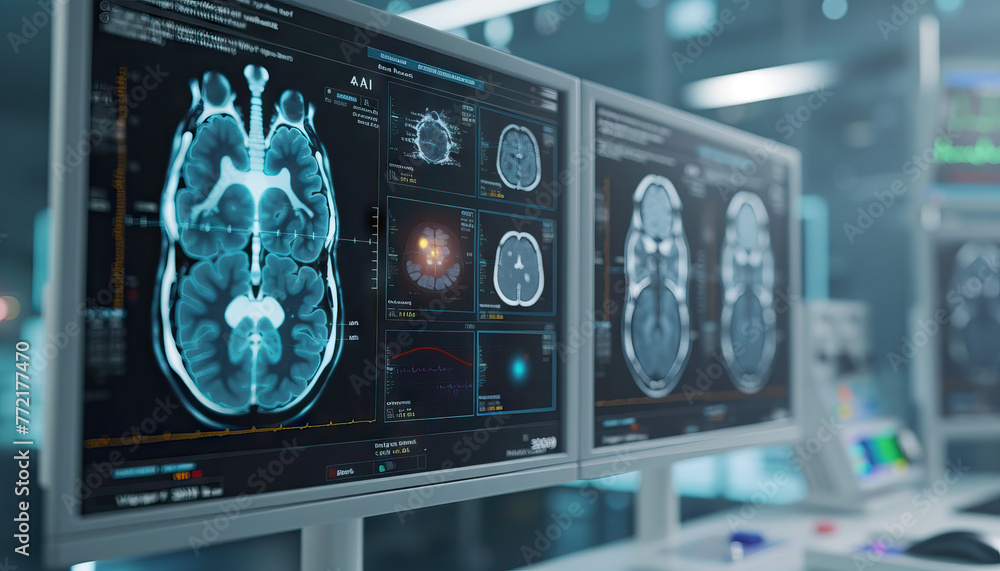
Researchers at Boston Children’s Hospital, working with OpenAI, have demonstrated that artificial intelligence can significantly accelerate the diagnosis of rare genetic diseases that had previously eluded conventional medical analysis. Using OpenAI’s o3 Deep Research model to analyze the genomes and clinical records of 376 patients with undiagnosed conditions, researchers identified new diagnoses for 18 children, including cases involving neurodevelopmental disorders, neuromuscular diseases, early childhood psychosis, and previously unexplained child deaths. While researchers emphasized that AI is not a substitute for physicians or a tool for self-diagnosis, the findings suggest that artificial intelligence is becoming a powerful assistant capable of uncovering patterns hidden within enormous genomic datasets. The development highlights how technological innovation—when guided by trained medical professionals—can dramatically improve patient care, shorten years-long diagnostic journeys for families, and potentially transform the future of precision medicine.
Sources
- https://nypost.com/2026/06/22/health/18-kids-undiagnosable-diseases-solved-by-ai-total-game-changer
- https://people.com/ai-helped-diagnose-18-children-with-rare-diseases-12004736
- https://www.nbcnews.com/health/health-news/ai-helped-doctors-diagnose-18-children-rare-diseases-study-finds
Key Takeaways
- AI successfully identified previously missed genetic diagnoses in 18 children whose cases had remained unsolved despite repeated expert review, demonstrating that machine learning can complement—not replace—medical specialists.
- The study underscores the growing potential for artificial intelligence to reduce diagnostic delays for rare diseases, providing faster answers for families who often spend years seeking a diagnosis.
- Researchers caution that AI should remain a physician-guided clinical tool rather than a consumer self-diagnosis resource, reinforcing that human oversight remains essential even as AI capabilities rapidly advance.
In-Depth
For years, advocates of artificial intelligence have argued that its greatest contribution would not be replacing people but augmenting human expertise. This latest breakthrough offers one of the strongest real-world demonstrations of that promise. Physicians at Boston Children’s Hospital had already examined hundreds of difficult genetic cases using conventional methods. Yet by applying OpenAI’s o3 Deep Research model to the same data, researchers uncovered 18 diagnoses that had previously escaped detection.
The achievement is significant not because AI suddenly became smarter than physicians, but because it excels at tirelessly processing enormous amounts of highly complex information. Human geneticists may spend days combing through thousands of genes while balancing countless other responsibilities. AI can evaluate those same relationships in minutes, searching scientific literature, genetic databases, and patient information simultaneously without fatigue.
From a conservative perspective, this development illustrates how innovation driven by private-sector research can produce tangible benefits for ordinary families. Rather than viewing artificial intelligence primarily through the lens of regulation or fear, policymakers should recognize its potential to strengthen American leadership in biotechnology and medicine while improving patient outcomes. At the same time, the study serves as a reminder that technology works best when paired with experienced professionals. The researchers repeatedly emphasized that physicians—not chatbots—must remain responsible for interpreting results and caring for patients.
The finding also demonstrates that AI’s most profound impact may ultimately come not from replacing jobs but from enabling highly trained professionals to perform them better, faster, and with greater accuracy. For families searching desperately for answers about rare diseases, that difference can be life-changing.