

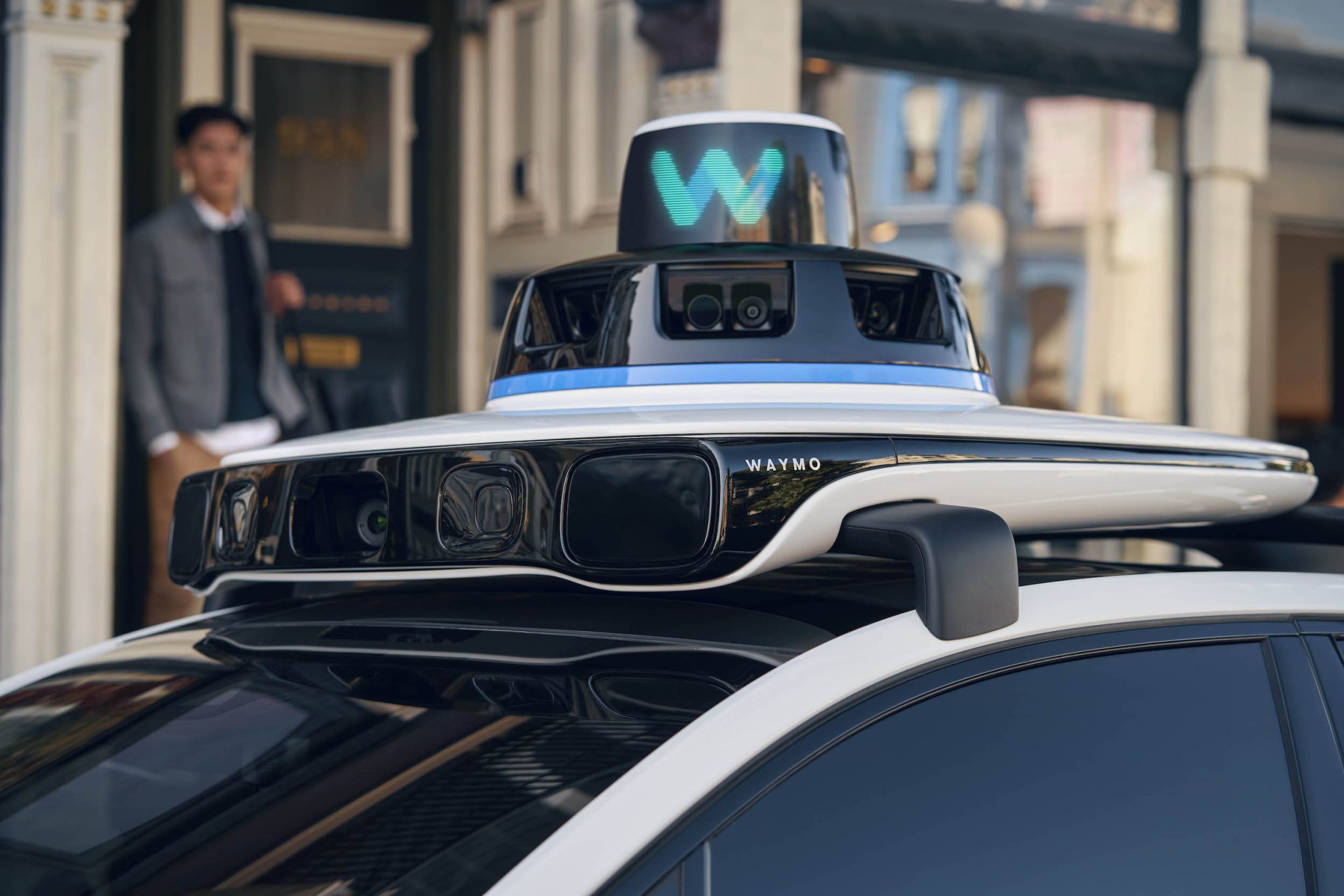
A pair of 15-year-olds in San Mateo, California, learned that a driverless vehicle can be just as capable of reporting criminal behavior as any human witness after a Waymo robotaxi detected alleged misconduct during a ride. According to police, the autonomous vehicle’s remote operations team observed the teenagers drinking alcohol and firing Orbeez water beads from a toy gun through the vehicle’s windows. Waymo remotely diverted the vehicle into a parking lot, contacted the San Mateo Police Department, and held the vehicle in place until officers arrived. Police detained the teenagers, recovered the toy gun, and confirmed evidence of underage drinking. The incident has ignited a broader debate over privacy, surveillance, and the evolving role of autonomous vehicles. Supporters argue that technology capable of preventing dangerous conduct and assisting law enforcement enhances public safety, while critics question how much monitoring riders should expect inside privately hired robotaxis. Regardless of where that debate ultimately lands, the episode demonstrates that autonomous transportation is becoming an active participant in public safety rather than merely a passive means of travel.
Sources
- https://apnews.com/article/d7163a63087671c784c1afb4eda8653e
- https://arstechnica.com/cars/2026/07/two-teens-learn-the-hard-way-not-to-do-toy-gun-drivebys-from-a-waymo
- https://www.latimes.com/business/story/2026-07-07/waymo-reports-teen-riders-for-bad-behavior-delivers-them-to-police
- https://abcnews.go.com/Business/wireStory/police-detain-2-teens-after-joy-ride-waymo-134602700
Key Takeaways
- • Waymo’s remote monitoring systems detected alleged illegal behavior, stopped the vehicle, and coordinated directly with police, illustrating that autonomous vehicles can actively participate in public safety responses.
- • The incident highlights the growing reality that passengers in robotaxis should expect in-cabin monitoring for safety, policy enforcement, and emergency response rather than assuming complete privacy.
- • As autonomous transportation becomes more common, policymakers will likely face increasing pressure to balance public safety benefits against legitimate concerns over surveillance, data collection, and passenger privacy.
In-Depth
The San Mateo incident represents more than an unusual police report—it offers an early glimpse into how autonomous transportation may reshape both public safety and personal expectations of privacy. Unlike a traditional taxi driver who might overlook misconduct or hesitate to intervene, Waymo’s remote operations system detected behavior that allegedly violated both company policy and California law. Rather than simply ending the ride, the vehicle safely relocated itself, notified authorities, and remained in place until officers arrived.
For many Americans, the episode reinforces a straightforward principle: technology that helps prevent dangerous behavior and protects innocent bystanders can serve a legitimate public purpose. Underage drinking is illegal, and firing projectiles—even Orbeez water beads—from a moving vehicle creates unnecessary risk for pedestrians and motorists alike. Had the teenagers instead been operating a conventional automobile, the consequences could have been substantially more severe.
At the same time, the event raises unavoidable questions about surveillance. Robotaxis equipped with cameras, microphones, and remote operators possess capabilities that extend well beyond navigation. Riders increasingly must recognize that these vehicles function more like monitored public transportation than private spaces. That reality may be unsettling for some, but it also serves as a deterrent against criminal or reckless behavior.
As autonomous vehicles become increasingly common, lawmakers will likely confront difficult questions regarding data retention, passenger privacy, and when companies should notify law enforcement. The San Mateo incident suggests that the technology is already moving beyond simply replacing drivers; it is beginning to redefine how transportation companies participate in maintaining public order.