

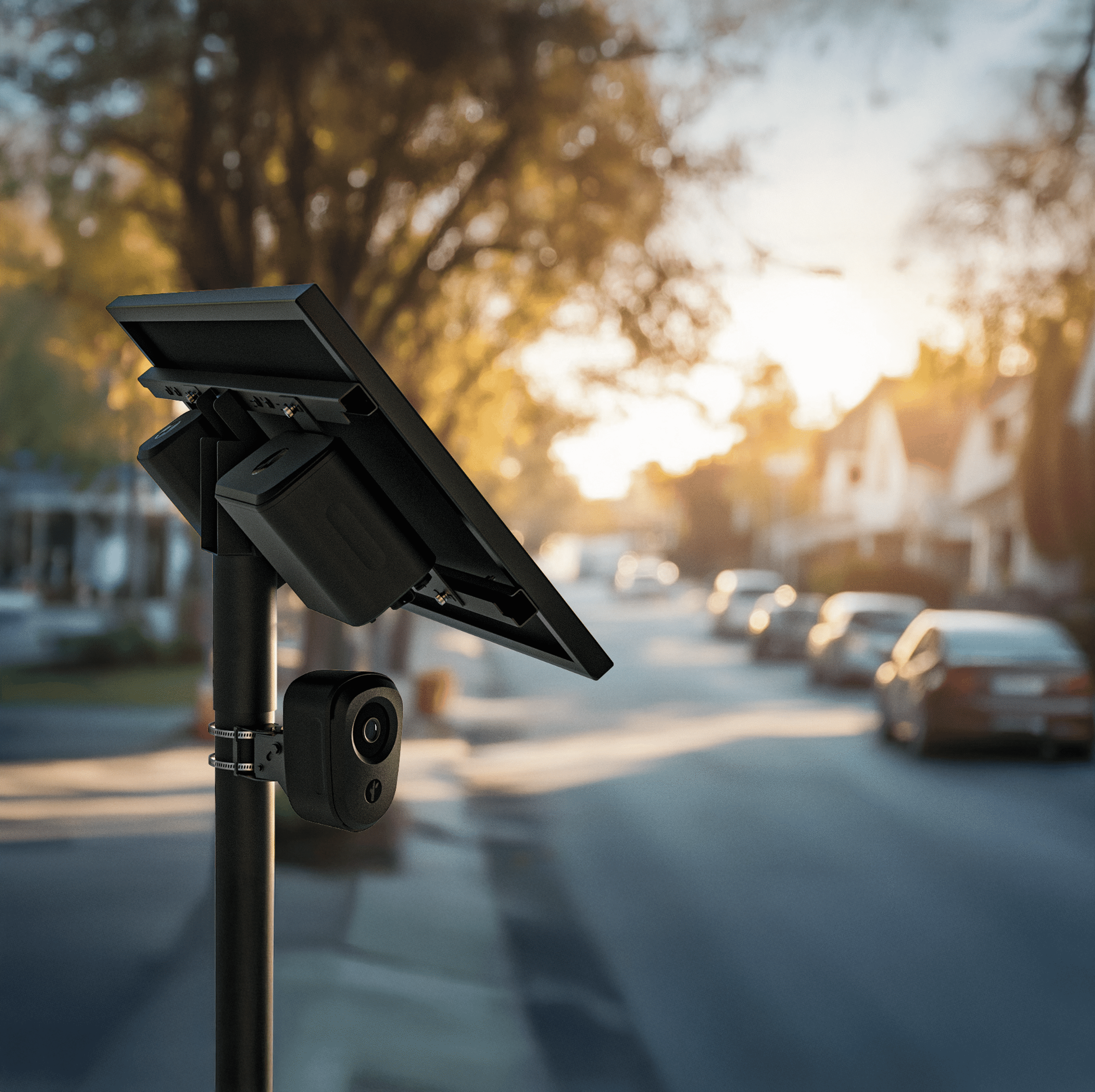
The Los Angeles Police Department has suspended its use of Flock Safety’s automated license plate reader (ALPR) camera network after allowing its three-year contract to expire amid unresolved disagreements over data ownership, privacy protections, and information-sharing policies. According to department officials, the central dispute involves establishing explicit contractual language governing who owns the data collected by the cameras, how it is stored, and whether it can be shared with outside agencies without the LAPD’s authorization. While Flock Safety maintains that its technology is an important investigative tool used to locate suspects, recover stolen vehicles, and find missing persons, privacy advocates have long argued that expansive vehicle-tracking systems create government surveillance capabilities that threaten constitutional protections. The LAPD says negotiations remain ongoing and the department could resume using the technology if stronger safeguards are agreed upon, but for now the department has chosen to suspend the program rather than operate under terms it considers insufficiently protective of civil liberties.
Sources
- https://nypost.com/2026/07/10/us-news/lapd-suspends-license-plate-cameras-amid-argument-over-video-rights
- https://www.foxla.com/news/lapd-suspends-flock-safety-surveillance-contract-privacy
- https://abc7.com/post/lapd-ending-agreement-surveillance-company-flock-safety/19483200
Key Takeaways
- • The LAPD allowed its Flock Safety contract to expire because negotiators could not reach agreement on data ownership, privacy protections, and restrictions governing information sharing.
- • Automated license plate reader technology remains an effective investigative tool for law enforcement, but growing concerns over government surveillance and private-sector data control are prompting increased scrutiny nationwide.
- • The dispute illustrates a broader national debate over balancing public safety with Fourth Amendment and privacy concerns as law enforcement increasingly relies on sophisticated surveillance technology.
In-Depth
The LAPD’s decision to suspend its license plate reader program represents something larger than a contractual disagreement. It highlights the increasingly difficult challenge of embracing modern policing technology while preserving constitutional protections that many Americans believe should never be compromised. Even agencies that strongly support technology-assisted investigations are beginning to recognize that the public expects far greater transparency over who controls collected data and how it may ultimately be used.
Conservatives have traditionally backed law enforcement’s efforts to leverage technology to apprehend criminals, recover stolen property, and solve violent crimes more quickly. Those objectives remain legitimate. However, conservatives have also consistently argued that government power should be limited and that constitutional liberties deserve vigilant protection regardless of which party controls government. A surveillance system capable of documenting the movements of millions of law-abiding citizens inevitably raises questions about where reasonable policing ends and mass data collection begins.
By refusing to renew the agreement until stronger contractual safeguards are established, the LAPD appears to be acknowledging that public trust depends not only on effective policing but also on clearly defined limits governing data ownership, retention, and dissemination. Whether negotiations ultimately produce an acceptable compromise remains to be seen. What is already evident is that as surveillance technology becomes more sophisticated, Americans across the political spectrum will continue demanding assurances that powerful investigative tools do not gradually evolve into permanent systems of routine government monitoring.