

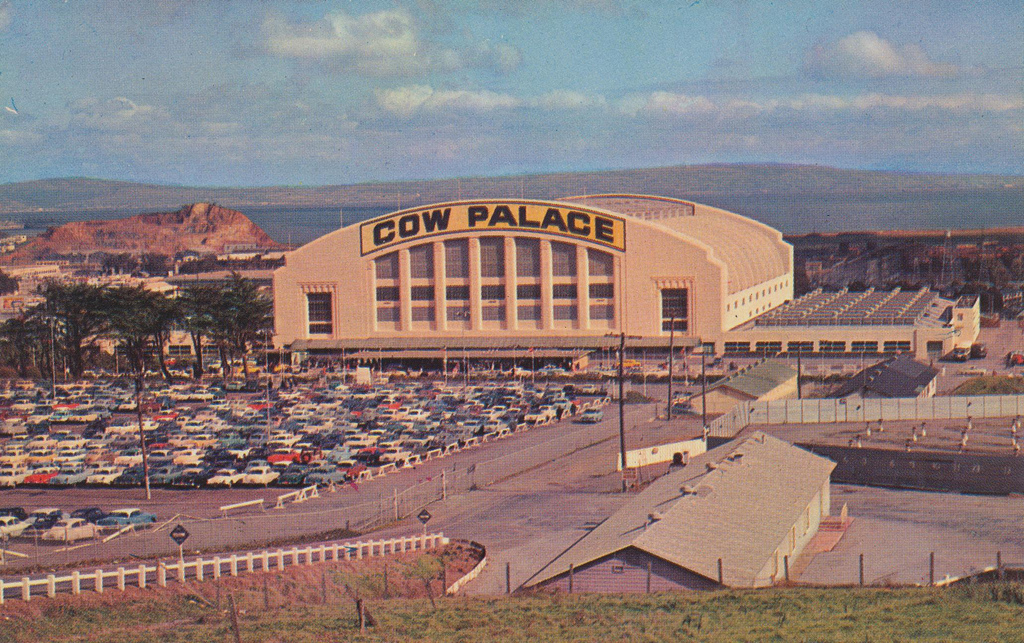
California officials and private developers are exploring a proposal that would transform portions of the historic Cow Palace in Daly City into a small “edge” data center complex under a long-term lease, part of a broader initiative by Global Stack LLC to establish similar facilities at fairgrounds across the state. Unlike hyperscale data centers, the proposal envisions relatively modest facilities paired with multi-level parking structures and helicopter landing pads intended to support emergency response operations while generating stable, long-term revenue for financially strained fairgrounds. Supporters argue the concept represents an innovative public-private partnership that could preserve aging public venues without displacing their traditional uses, while critics remain wary of potential environmental impacts, increased power consumption, noise, and the precedent of introducing technology infrastructure onto historic public properties. Discussions remain preliminary, and no final decisions have been made regarding the Cow Palace proposal.
Sources
- https://www.sfchronicle.com/california/article/cow-palace-data-center-22337505.php
- https://www.sfchronicle.com/california/article/data-centers-fairgrounds-22334578.php
- https://www.youtube.com/shorts/J0T6hdLsNhs
Key Takeaways
- • California’s fairgrounds are increasingly seeking stable, long-term revenue sources as event-based income alone has become less predictable.
- • The proposal emphasizes smaller regional “edge” data centers rather than massive hyperscale facilities, though environmental and infrastructure concerns remain subjects of public debate.
- • Local officials appear interested in balancing economic development with preservation of historic public venues, but community opposition has already halted similar proposals elsewhere in California.
In-Depth
The proposal to bring an edge data center to the Cow Palace illustrates the increasingly difficult financial realities facing many publicly owned facilities throughout California. Once built primarily for agricultural exhibitions and community events, many fairgrounds now struggle to generate sufficient year-round revenue. Rather than relying solely on concerts, fairs, and sporting events, administrators are exploring commercial partnerships capable of producing dependable lease income over decades instead of seasons.
Global Stack’s proposal attempts to package technology infrastructure with public benefits, including structured parking and helicopter landing facilities designed for emergency response. Advocates argue this approach would occupy only a small portion of each fairground while preserving the overwhelming majority of the property for its traditional public purposes. Supporters also contend that smaller edge data centers differ substantially from the enormous hyperscale facilities that have generated controversy elsewhere because of their electricity and water demands.
Even so, skepticism remains justified. Californians have repeatedly watched ambitious development proposals promise minimal impacts only to expand over time. Residents near other proposed locations have already expressed concerns over noise, visual changes, electrical demand, and the gradual industrialization of community assets that were never intended to serve as technology campuses.
From a conservative perspective, the discussion ultimately underscores a broader policy challenge: public properties should strive to become financially self-sustaining without becoming dependent on perpetual taxpayer subsidies. If private investment can preserve historic venues while respecting local communities and property rights, it deserves serious consideration. But such agreements must remain transparent, narrowly tailored, and subject to rigorous public scrutiny before century-long commitments are approved.