

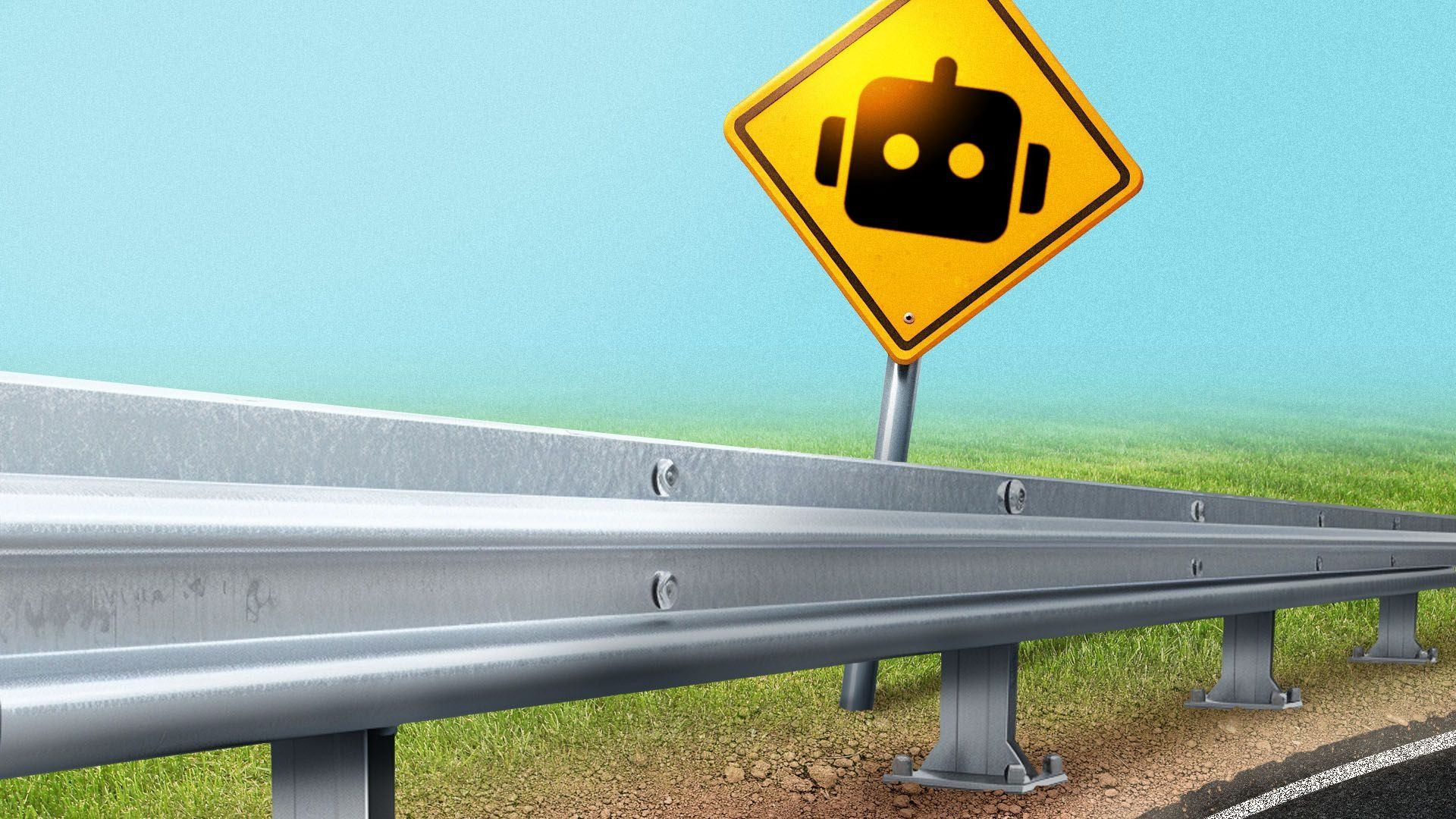
Artificial intelligence chatbots are becoming an unexpected obstacle in the treatment of eating disorders, as therapists report growing numbers of patients arriving at counseling sessions armed with AI-generated nutrition, exercise, and weight-loss advice that often conflicts with evidence-based treatment. Clinicians warn that while AI can provide useful general wellness information for healthy individuals, it lacks the clinical context needed to recognize patients suffering from anorexia, bulimia, binge-eating disorder, and related illnesses. Technology companies say they are strengthening safeguards to identify and redirect users exhibiting signs of disordered eating, but experts maintain that current systems remain imperfect and can reinforce dangerous behaviors. The controversy underscores a broader debate over whether rapidly deployed AI products are advancing faster than the guardrails needed to protect vulnerable users, particularly when dealing with serious mental health conditions.
Sources
- https://www.wsj.com/tech/ai/chatbot-advice-eating-disorder-therapy-5fe601fd
- https://www.washingtonpost.com/technology/2023/08/07/ai-eating-disorders-thinspo-anorexia-bulimia
- https://www.cbsnews.com/news/eating-disorder-helpline-chatbot-disabled
Key Takeaways
- AI chatbots can generate diet and fitness recommendations that may be appropriate for healthy users but potentially dangerous for individuals with diagnosed eating disorders.
- Therapists report spending increasing amounts of treatment time correcting or rebutting chatbot-generated advice instead of focusing on underlying psychological issues driving the disorder.
- The rapid expansion of consumer AI has outpaced the development of reliable clinical safeguards, highlighting the need for stronger protections when AI is used for mental health and medical guidance.
In-Depth
Artificial intelligence has quickly become the first stop for millions seeking answers to medical, nutritional, and psychological questions. That convenience, however, comes with a significant downside when users are struggling with serious mental illnesses such as eating disorders. Therapists now report that patients increasingly arrive with AI-generated meal plans, exercise regimens, and weight-loss recommendations that appear authoritative but fail to account for an individual’s diagnosis or treatment plan.
This development raises larger questions about Silicon Valley’s continuing tendency to release powerful technologies before fully addressing their unintended consequences. While AI companies emphasize ongoing improvements to safety systems and content moderation, clinicians argue that generic language models remain ill-equipped to distinguish between ordinary health questions and those posed by someone whose illness distorts perceptions of food, body image, and exercise. In those situations, seemingly harmless advice can reinforce destructive behaviors rather than interrupt them.
The broader lesson extends well beyond eating disorders. AI has extraordinary potential as an informational tool, but it should not be mistaken for a licensed physician, therapist, or dietitian. As these systems become increasingly persuasive and personalized, users may place greater confidence in their recommendations than is warranted. Responsible innovation requires not only more capable technology but also stronger safeguards, greater transparency, and a recognition that some decisions remain best entrusted to qualified human professionals rather than algorithms.