

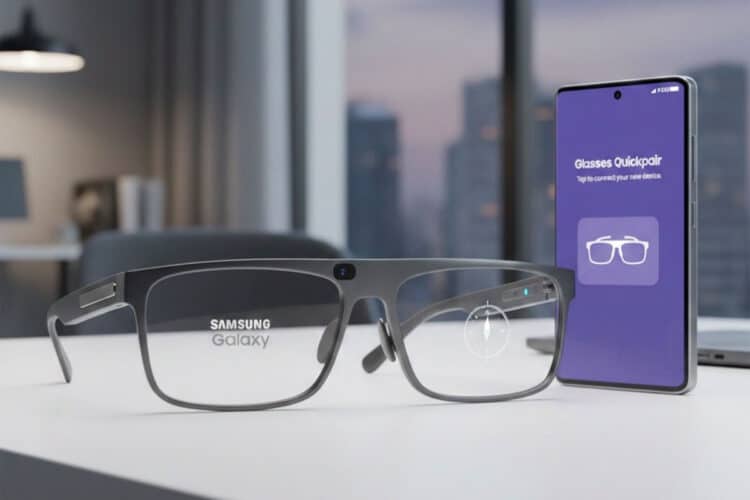
Samsung has formally entered the AI-powered smart glasses market by unveiling its new intelligent eyewear, positioning privacy protections as a central selling point amid growing public concern over wearable cameras and nonconsensual recording. Working with Google, Warby Parker, and Gentle Monster, Samsung says its glasses will feature safeguards that prevent recording if the LED recording indicator is obscured and has pledged not to use customers’ audio, video, or screen-sharing data to train artificial intelligence models. The announcement comes as Meta continues to face criticism over the social implications of camera-equipped smart glasses, prompting Samsung to argue that consumer trust will be just as important as technological innovation in determining the success of the category. Samsung also disclosed improved battery life, durability enhancements, and deep Gemini AI integration while indicating that more advanced display-equipped smart glasses remain under development. Industry analysts believe the company is attempting to differentiate itself by making privacy a competitive advantage rather than merely a compliance obligation as AI-powered wearable devices move toward broader consumer adoption.
Sources
- https://www.latimes.com/business/story/2026-07-23/samsung-unveils-privacy-first-smart-glasses-to-counter-backlash-against-meta-glasses
- https://www.techradar.com/ai-platforms-assistants/we-got-a-first-look-at-samsung-intelligent-eyewear-the-smart-glasses-entering-a-fraught-market-worried-about-privacy
- https://www.tomsguide.com/computing/smart-glasses/i-just-went-hands-on-with-the-new-samsung-smart-glasses-heres-why-id-pick-them-over-meta
Key Takeaways
- • Samsung is attempting to distinguish its AI smart glasses by emphasizing privacy protections, transparent data policies, and safeguards against covert recording rather than competing solely on AI capabilities.
- • Public skepticism over wearable cameras has become a significant commercial issue, forcing manufacturers to address privacy concerns as aggressively as they pursue new technological features.
- • The smart glasses market is expanding rapidly, but long-term consumer adoption will likely depend on whether manufacturers can convince the public that wearable AI devices respect personal privacy and individual consent.
In-Depth
Samsung’s latest smart glasses announcement reflects a growing realization within the technology industry that artificial intelligence alone is no longer enough to sell next-generation consumer electronics. Public trust has become an equally valuable commodity. After months of criticism directed at Meta over the privacy implications of camera-equipped smart glasses, Samsung is attempting to present itself as the company that learned from someone else’s mistakes rather than repeating them.
Among the most significant features Samsung highlighted are protections designed to make covert recording more difficult. If the recording indicator light is covered or disabled, the glasses will reportedly prevent video capture altogether. Samsung has also publicly committed to keeping customer audio, video, and screen-sharing information out of its AI training systems, an assurance clearly intended to reassure consumers increasingly concerned about how technology companies collect and monetize personal data. Those commitments represent an acknowledgment that privacy concerns are no longer a niche issue raised only by civil-liberties advocates. They have become mainstream consumer concerns capable of influencing purchasing decisions.
The company’s broader strategy is equally notable. Rather than trying to replace smartphones immediately, Samsung is positioning its glasses as an extension of its existing ecosystem, allowing users to interact with Google’s Gemini AI through voice commands, navigation assistance, translation, notifications, and contextual information while remaining largely hands-free. Improved durability, approximately nine hours of heavy-use battery life, and partnerships with established eyewear brands suggest Samsung understands that wearable technology must first succeed as wearable fashion before consumers will embrace it as computing hardware.
From a broader perspective, Samsung’s approach also illustrates how competition can benefit consumers. Meta effectively created the modern smart glasses market, but the resulting backlash over privacy has forced competitors to build stronger safeguards into their own products from the outset. That dynamic demonstrates that market competition, public criticism, and consumer demand can often encourage companies to improve products more effectively than government mandates alone.
Whether Samsung’s promises ultimately translate into lasting consumer confidence remains to be seen. Privacy commitments are only meaningful if companies consistently honor them after products reach the market. Nevertheless, Samsung appears to recognize an increasingly obvious reality: consumers are willing to embrace artificial intelligence when it offers genuine convenience, but they are far less willing to sacrifice privacy, transparency, and personal control simply to gain access to the latest technology. If AI-powered smart glasses are to become mainstream devices, companies may discover that trust—not processing power—is their most valuable feature.