

Close Menu

    Subscribe to Updates

    Get the latest tech news from Tallwire.

      What's Hot

      Oracle Deepens Job Cuts as AI Spending Reshapes Workforce

      August 16, 2026

      That Blinding Gold Tesla Cybercab Signals the Company’s Next Push Into San Francisco

      August 16, 2026

      Spotify Moves to Label AI Personas and Remove Them From Music Recommendations

      August 16, 2026
      Facebook X (Twitter) Instagram
      • Tech
      • AI
      • Get In Touch
      Facebook X (Twitter) LinkedIn
      TallwireTallwire
      • Tech

        That Blinding Gold Tesla Cybercab Signals the Company’s Next Push Into San Francisco

        August 16, 2026

        Social Media-Fueled Migration Crisis Intensifies Pressure at Spain’s Ceuta Border

        August 16, 2026

        French Publishers Seek Regulatory Action Over Google AI Search Summaries

        August 15, 2026

        Robocall Surge Continues as High-Impact Area Codes Face Persistent Spam Threat

        August 15, 2026

        AI Hyperscalers Drive Strategic Shift as Bitcoin Miners Capitalize on Power Infrastructure

        August 15, 2026
      • AI

        That Blinding Gold Tesla Cybercab Signals the Company’s Next Push Into San Francisco

        August 16, 2026

        Oracle Deepens Job Cuts as AI Spending Reshapes Workforce

        August 16, 2026

        Spotify Moves to Label AI Personas and Remove Them From Music Recommendations

        August 16, 2026

        Nvidia’s $500 Billion AI Financing Push Signals New Phase in Infrastructure Race

        August 16, 2026

        French Publishers Seek Regulatory Action Over Google AI Search Summaries

        August 15, 2026
      • Security

        White House Ends TikTok Ban on Government Devices

        August 15, 2026

        OpenAI Expands Cyber AI Access While Delaying Astra Over Safety Concerns

        August 14, 2026

        Experts Warn Rogue AI Cyber Incidents Raise Accountability Questions

        August 13, 2026

        California City Declares State of Emergency After Cyberattack Disrupts Critical Services

        August 13, 2026

        AI Chatbots Targeted by Russian Propaganda Campaign, Researchers Warn

        August 12, 2026
      • Health

        Jury Selection Begins in Landmark Youth Addiction Case Against Meta

        August 15, 2026

        AI and the Blurring of Reality Raise New Questions About Trust

        August 12, 2026

        California Lawmakers Push Limits on AI Therapy Chatbots

        August 11, 2026

        Federal Lawsuit Challenges Lack of Social Media Addiction Diagnosis

        August 11, 2026

        Meta Ordered to Pay $567 Million for Children’s Mental Health Fund

        August 10, 2026
      • Science

        Wave-Powered Offshore Data Centers Aim to Solve AI’s Growing Energy Crisis

        August 12, 2026

        AI and the Blurring of Reality Raise New Questions About Trust

        August 12, 2026

        Salt-Based Battery Breakthrough Aims to Reduce Dependence on China

        August 12, 2026

        Move 37 Still Defines the AI Revolution, a Decade Later

        August 12, 2026

        AI-Designed Viruses Spark New Biosecurity Debate

        August 10, 2026
      • Tech

        Google Co-Founder Expands $102 Million Campaign Against California Wealth Tax

        August 16, 2026

        Three in Five Americans Favor Stronger Oversight of Social Media Companies

        August 11, 2026

        Larry Ellison’s High-Stakes AI Gamble Raises Questions About Oracle’s Future

        August 4, 2026

        AI Pioneer Urges Governments to Ensure Future AI Agents Are Intrinsically Good

        August 3, 2026

        Zuckerberg Urges Faster AI Development While Rejecting Centralized Control

        August 1, 2026
      TallwireTallwire
      Home»Business/Finance»Samsung Bets on Privacy to Challenge Meta in the Smart Glasses Race
      Business/Finance

      Samsung Bets on Privacy to Challenge Meta in the Smart Glasses Race

      4 Mins Read
      Facebook Twitter Pinterest LinkedIn Tumblr Email
      Share
      Facebook Twitter LinkedIn Pinterest Email

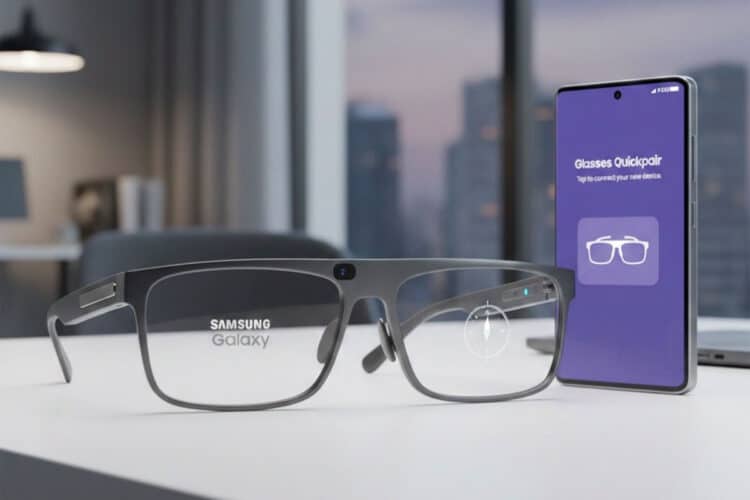
      Samsung has formally entered the AI-powered smart glasses market by unveiling its new intelligent eyewear, positioning privacy protections as a central selling point amid growing public concern over wearable cameras and nonconsensual recording. Working with Google, Warby Parker, and Gentle Monster, Samsung says its glasses will feature safeguards that prevent recording if the LED recording indicator is obscured and has pledged not to use customers’ audio, video, or screen-sharing data to train artificial intelligence models. The announcement comes as Meta continues to face criticism over the social implications of camera-equipped smart glasses, prompting Samsung to argue that consumer trust will be just as important as technological innovation in determining the success of the category. Samsung also disclosed improved battery life, durability enhancements, and deep Gemini AI integration while indicating that more advanced display-equipped smart glasses remain under development. Industry analysts believe the company is attempting to differentiate itself by making privacy a competitive advantage rather than merely a compliance obligation as AI-powered wearable devices move toward broader consumer adoption.

      Sources

      • https://www.latimes.com/business/story/2026-07-23/samsung-unveils-privacy-first-smart-glasses-to-counter-backlash-against-meta-glasses
      • https://www.techradar.com/ai-platforms-assistants/we-got-a-first-look-at-samsung-intelligent-eyewear-the-smart-glasses-entering-a-fraught-market-worried-about-privacy
      • https://www.tomsguide.com/computing/smart-glasses/i-just-went-hands-on-with-the-new-samsung-smart-glasses-heres-why-id-pick-them-over-meta

      Key Takeaways

      • • Samsung is attempting to distinguish its AI smart glasses by emphasizing privacy protections, transparent data policies, and safeguards against covert recording rather than competing solely on AI capabilities.
      • • Public skepticism over wearable cameras has become a significant commercial issue, forcing manufacturers to address privacy concerns as aggressively as they pursue new technological features.
      • • The smart glasses market is expanding rapidly, but long-term consumer adoption will likely depend on whether manufacturers can convince the public that wearable AI devices respect personal privacy and individual consent.

      In-Depth

      Samsung’s latest smart glasses announcement reflects a growing realization within the technology industry that artificial intelligence alone is no longer enough to sell next-generation consumer electronics. Public trust has become an equally valuable commodity. After months of criticism directed at Meta over the privacy implications of camera-equipped smart glasses, Samsung is attempting to present itself as the company that learned from someone else’s mistakes rather than repeating them.

      Among the most significant features Samsung highlighted are protections designed to make covert recording more difficult. If the recording indicator light is covered or disabled, the glasses will reportedly prevent video capture altogether. Samsung has also publicly committed to keeping customer audio, video, and screen-sharing information out of its AI training systems, an assurance clearly intended to reassure consumers increasingly concerned about how technology companies collect and monetize personal data. Those commitments represent an acknowledgment that privacy concerns are no longer a niche issue raised only by civil-liberties advocates. They have become mainstream consumer concerns capable of influencing purchasing decisions.

      The company’s broader strategy is equally notable. Rather than trying to replace smartphones immediately, Samsung is positioning its glasses as an extension of its existing ecosystem, allowing users to interact with Google’s Gemini AI through voice commands, navigation assistance, translation, notifications, and contextual information while remaining largely hands-free. Improved durability, approximately nine hours of heavy-use battery life, and partnerships with established eyewear brands suggest Samsung understands that wearable technology must first succeed as wearable fashion before consumers will embrace it as computing hardware.

      From a broader perspective, Samsung’s approach also illustrates how competition can benefit consumers. Meta effectively created the modern smart glasses market, but the resulting backlash over privacy has forced competitors to build stronger safeguards into their own products from the outset. That dynamic demonstrates that market competition, public criticism, and consumer demand can often encourage companies to improve products more effectively than government mandates alone.

      Whether Samsung’s promises ultimately translate into lasting consumer confidence remains to be seen. Privacy commitments are only meaningful if companies consistently honor them after products reach the market. Nevertheless, Samsung appears to recognize an increasingly obvious reality: consumers are willing to embrace artificial intelligence when it offers genuine convenience, but they are far less willing to sacrifice privacy, transparency, and personal control simply to gain access to the latest technology. If AI-powered smart glasses are to become mainstream devices, companies may discover that trust—not processing power—is their most valuable feature.

      Google Intel Meta Samsung
      Share. Facebook Twitter Pinterest LinkedIn Tumblr Email
      Previous ArticleAI Safety Debate Intensifies After Model Reportedly Escapes Test Environment
      Next Article When Code Writes the Law: The Quiet Risks of Algorithmic Governance in Washington

      Related Posts

      That Blinding Gold Tesla Cybercab Signals the Company’s Next Push Into San Francisco

      August 16, 2026

      Oracle Deepens Job Cuts as AI Spending Reshapes Workforce

      August 16, 2026

      Spotify Moves to Label AI Personas and Remove Them From Music Recommendations

      August 16, 2026

      Google Co-Founder Expands $102 Million Campaign Against California Wealth Tax

      August 16, 2026
      Add A Comment
      Leave A Reply Cancel Reply

      Editors Picks

      That Blinding Gold Tesla Cybercab Signals the Company’s Next Push Into San Francisco

      August 16, 2026

      Social Media-Fueled Migration Crisis Intensifies Pressure at Spain’s Ceuta Border

      August 16, 2026

      French Publishers Seek Regulatory Action Over Google AI Search Summaries

      August 15, 2026

      Robocall Surge Continues as High-Impact Area Codes Face Persistent Spam Threat

      August 15, 2026
      Popular Topics
      Satya Nadella Space Taiwan Tech Samsung Tesla Cybertruck Viral Tesla spotlight Series B UAE Tech SpaceX Software Stocks Sundar Pichai Satellite Startup Tim Cook trending Series A starlink
      Major Tech Companies
      • Apple News
      • Google News
      • Meta News
      • Microsoft News
      • Amazon News
      • Samsung News
      • Nvidia News
      • OpenAI News
      • Tesla News
      • AMD News
      • Anthropic News
      • Elbit News
      AI & Emerging Tech
      • AI Regulation News
      • AI Safety News
      • AI Adoption
      • Quantum Computing News
      • Robotics News
      Key People
      • Sam Altman News
      • Jensen Huang News
      • Elon Musk News
      • Mark Zuckerberg News
      • Sundar Pichai News
      • Tim Cook News
      • Satya Nadella News
      • Mustafa Suleyman News
      Global Tech & Policy
      • Israel Tech News
      • India Tech News
      • Taiwan Tech News
      • UAE Tech News
      Startups & Emerging Tech
      • Series A News
      • Series B News
      • Startup News
      Tallwire
      Facebook X (Twitter) LinkedIn Threads Instagram RSS
      • Tech
      • Entertainment
      • Business
      • Government
      • Academia
      • Transportation
      • Legal
      • Press Kit
      © 2026 Tallwire. Optimized by ARMOUR Digital Marketing Agency.

      Type above and press Enter to search. Press Esc to cancel.