

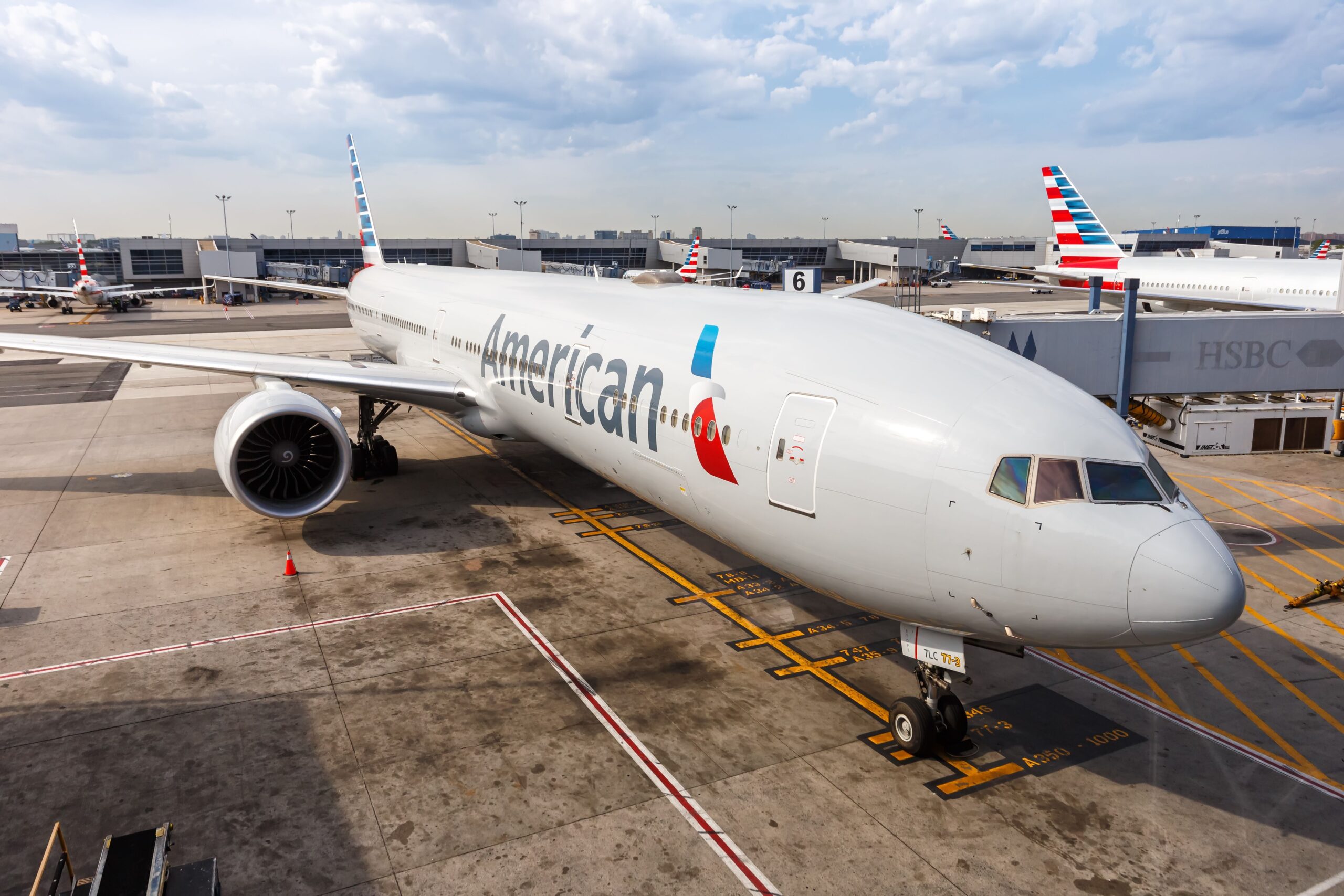
A nationwide information technology outage temporarily halted all American Airlines departures on July 28, 2026, after the Federal Aviation Administration issued a systemwide ground stop at the carrier’s request. While aircraft already in the air continued to their destinations, departing flights across the country were held at their gates until connectivity was restored. The disruption lasted less than an hour before the ground stop was lifted, but the interruption rippled through the airline’s network, producing hundreds of delays and cancellations on an already difficult travel day complicated by severe thunderstorms in parts of the eastern United States. Although operations resumed relatively quickly, the incident once again highlighted how dependent modern aviation has become on centralized digital infrastructure, where even a brief technology failure can cascade into nationwide operational disruptions.
Sources
- https://nypost.com/2026/07/28/us-news/american-airlines-flights-grounded-nationwide-due-to-it-outage-faa
- https://www.reuters.com/world/faa-issues-american-airlines-nationwide-ground-stop-over-it-outage-2026-07-28
- https://www.washingtonexaminer.com/policy/technology/4666865/faa-american-airlines-flights-grounded-it-outage/
Key Takeaways
- A systemwide IT failure forced American Airlines to temporarily halt all departures nationwide until critical operational systems were restored.
- Although the outage was resolved in under an hour, the interruption triggered significant delays and cancellations that continued well after flights resumed.
- The incident underscores the growing vulnerability of America’s transportation infrastructure to technology failures, reinforcing concerns about the resiliency and redundancy of mission-critical airline systems.
In-Depth
The temporary grounding of every American Airlines departure across the country serves as another reminder that technological resilience has become just as important to aviation safety and reliability as aircraft maintenance or air traffic control. While the airline restored operations relatively quickly and the FAA lifted the ground stop within the hour, the event exposed how a single systems failure can disrupt travel for tens of thousands of passengers nationwide.
Modern airlines rely upon an intricate web of interconnected software to manage dispatching, crew scheduling, flight planning, passenger processing, baggage handling, and communications. When even one of those core systems fails, the effects spread rapidly throughout the network. Because airlines operate tightly synchronized schedules with little excess capacity, a brief interruption can produce delays that persist long after the original problem has been corrected.
The episode also arrives amid growing public concern over the reliability of America’s critical infrastructure. Financial institutions, telecommunications providers, hospitals, and transportation networks have all experienced high-profile technology disruptions in recent years. Whether caused by software failures, cyber incidents, or configuration errors, such outages demonstrate that efficiency achieved through digital integration must be balanced with robust backup systems and operational redundancy. Travelers ultimately care less about the technical cause than whether the system can continue functioning when something inevitably goes wrong.
American Airlines deserves credit for restoring service quickly and communicating that connectivity had been reestablished. Nevertheless, each nationwide disruption should prompt a broader examination of whether the airline industry has invested sufficiently in resilient architectures capable of preventing localized technology problems from becoming national transportation events. As dependence on complex digital systems continues to expand, ensuring that critical infrastructure can withstand inevitable failures is no longer merely an operational objective—it is an essential component of public confidence in the nation’s transportation system.