

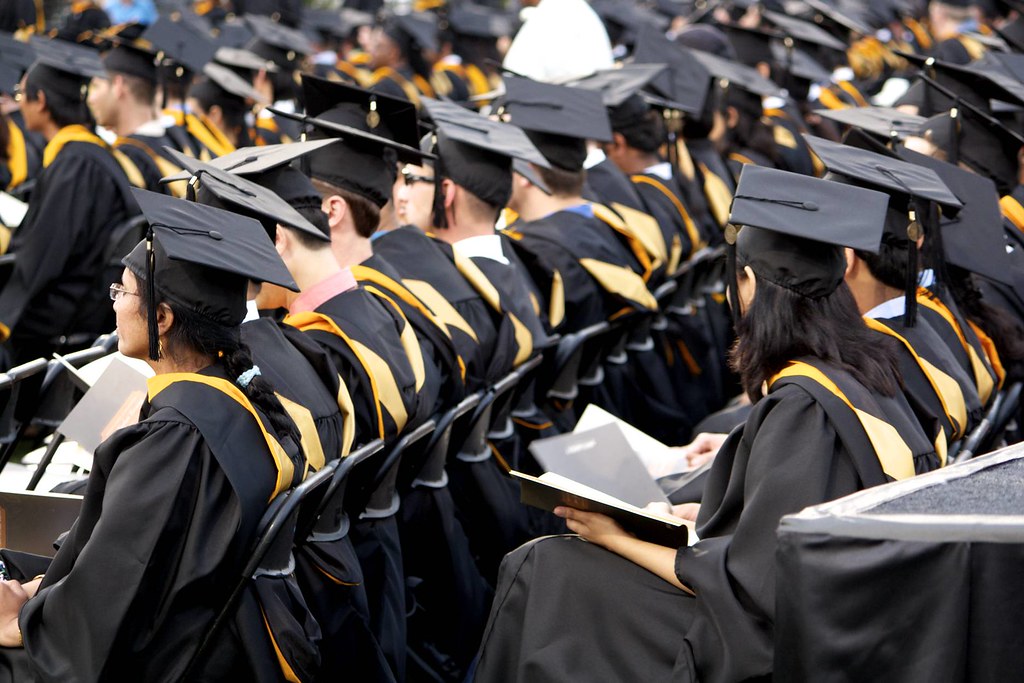
Artificial intelligence has become an increasingly indispensable tool for American college students, even as public skepticism toward the technology remains evident in commencement ceremonies where pro-AI remarks have drawn boos from graduates. Recent survey data from American University’s Kogod School of Business shows that more than 80% of students have used AI for academic work within the past six months, with regular usage among business students climbing dramatically over the past three years. Students primarily rely on AI for brainstorming, summarizing information, research assistance, and improving productivity while simultaneously expressing concerns that the technology may undermine critical thinking, academic integrity, and future employment opportunities. At the same time, employers are increasingly expecting graduates to possess AI literacy, creating a tension between student anxiety over AI’s impact on careers and the practical necessity of mastering the technology before entering the workforce.
Sources
- https://nypost.com/2026/08/04/business/college-students-use-of-ai-has-surged-despite-boos-at-graduation-ceremonies
- https://www.axios.com/2026/08/04/college-ai-use-kogod-american-university
- https://apnews.com/article/f0dca8e4f7e16297ad27c2b02adc2530
Key Takeaways
- AI has rapidly become a routine academic tool for college students, with more than four out of five reporting recent classroom use despite lingering ethical concerns.
- Students increasingly recognize that AI proficiency is becoming a competitive requirement in the labor market, even as many fear the technology could ultimately reduce career opportunities.
- Colleges face growing pressure to develop clear standards for responsible AI use that preserve academic integrity while preparing graduates for workplaces where AI literacy is increasingly expected.
In-Depth
The rapid adoption of artificial intelligence across American campuses illustrates an unmistakable reality: students may distrust the broader implications of AI, but they also recognize they cannot afford to ignore it. The sharp increase in AI usage reflects a practical response to changing economic conditions rather than enthusiastic acceptance of every promise made by Silicon Valley. As employers increasingly ask candidates about AI skills during interviews, students understand that refusing to learn the technology could leave them at a competitive disadvantage.
That helps explain the apparent contradiction witnessed during recent commencement ceremonies. Graduates have openly rejected speeches celebrating AI because many view the technology as contributing to an uncertain job market, particularly in writing, media, design, and other white-collar professions. Yet those same students continue using AI for brainstorming, research, summarization, and productivity because modern coursework and employer expectations increasingly reward those capabilities. The distinction is less hypocrisy than recognition that adapting to technological change is becoming unavoidable.
From a conservative perspective, the lesson is not that AI should be resisted, but that institutions should emphasize responsible innovation rather than blind technological enthusiasm. Universities should strengthen critical thinking, independent analysis, and ethical reasoning while teaching students how to use AI as a tool rather than a substitute for intellectual effort. America’s long-term competitive advantage will depend not simply on producing graduates who know how to operate AI systems, but on producing citizens capable of exercising sound judgment, creativity, and accountability—qualities no algorithm can fully replace.