

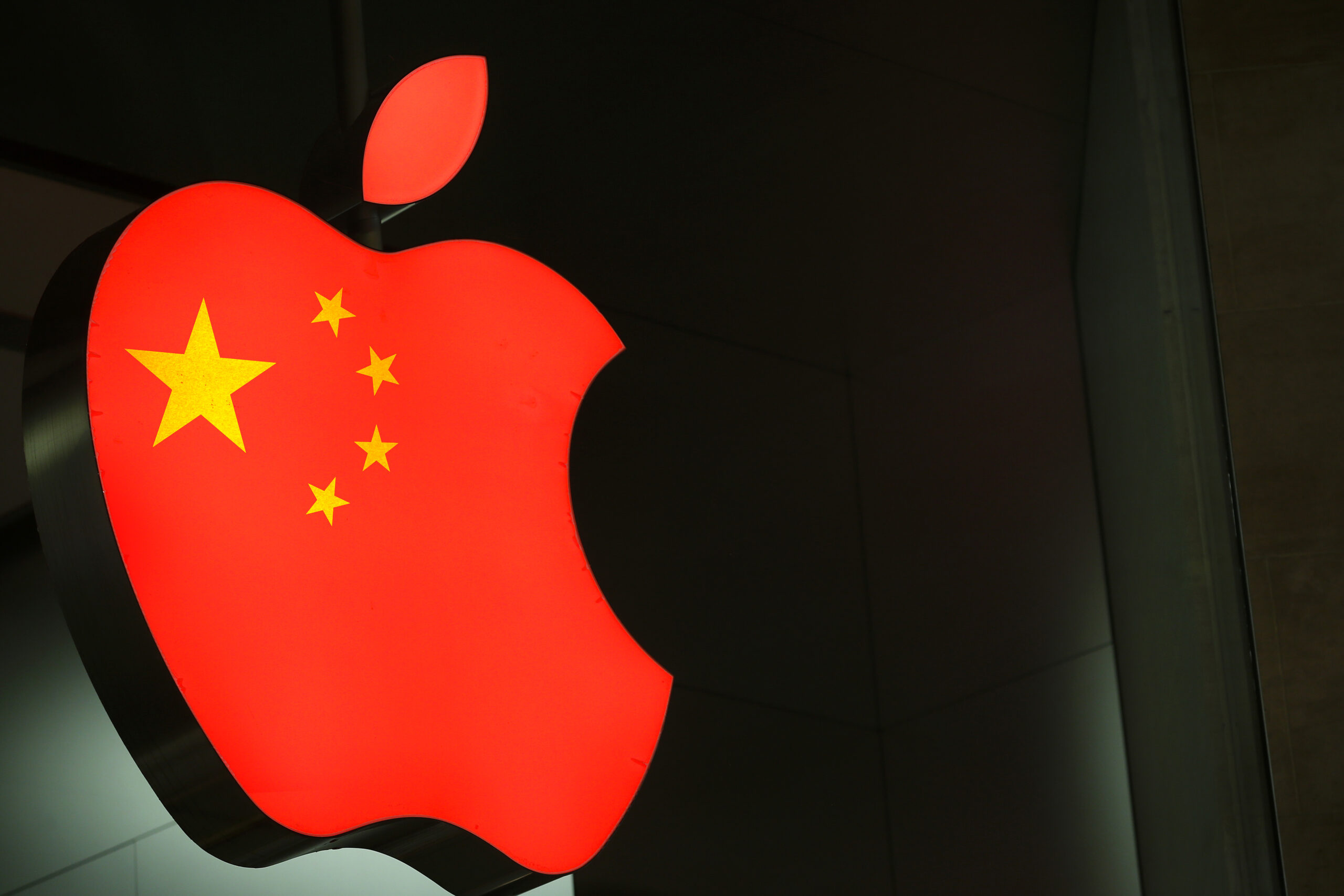
Apple is reportedly testing memory chips from Chinese manufacturer ChangXin Memory Technologies (CXMT) for possible use in future iPhones and MacBooks as the global memory shortage driven by artificial intelligence continues to strain supply chains and drive up component prices. According to multiple reports, Apple is evaluating CXMT memory primarily for devices destined for the Chinese market, while other PC manufacturers have already begun integrating limited quantities of CXMT memory into certain non-U.S. products. The development reflects the growing pressure on technology companies to diversify suppliers as traditional memory producers struggle to satisfy surging demand. At the same time, the move raises broader questions about America’s dependence on foreign semiconductor manufacturing, the strategic implications of sourcing components from Chinese firms, and whether commercial necessity is beginning to outweigh geopolitical concerns.
Sources
- https://www.reuters.com/business/retail-consumer/apple-tests-chinas-cxmt-memory-chips-iphones-macbooks-wsj-reports-2026-08-09
- https://www.wsj.com/tech/apple-tests-chinese-memory-chips-as-supply-squeeze-bites-d292bb97
- https://www.tomshardware.com/tech-industry/three-major-pc-makers-now-using-chinese-memory-to-fight-unprecedented-memory-shortage-report-claims-hp-asus-and-acer-using-small-amounts-of-cxmt-chips-in-limited-number-of-notebooks-for-non-us-market
Key Takeaways
- AI-driven demand has created a severe global DRAM shortage, forcing major technology companies to seek alternative suppliers beyond the traditional market leaders.
- Apple’s reported evaluation of Chinese-made memory illustrates how supply-chain realities are increasingly colliding with U.S. national security concerns surrounding Chinese semiconductor companies.
- The emergence of CXMT as a meaningful global supplier signals that China’s semiconductor industry is becoming more difficult for Western manufacturers to ignore despite ongoing geopolitical tensions.
In-Depth
Apple’s reported testing of memory chips from China’s CXMT represents more than a routine supply-chain adjustment. It is another reminder that years of globalization have left even America’s most valuable technology company vulnerable to shortages originating halfway around the world. With AI infrastructure consuming enormous quantities of memory, manufacturers are scrambling to secure supplies wherever they can find them, and the traditional trio of Samsung, SK Hynix, and Micron has struggled to satisfy unprecedented demand.
From a conservative perspective, this development underscores the importance of rebuilding resilient domestic manufacturing rather than allowing critical technology production to migrate overseas. The United States has spent years warning about China’s ambitions to dominate strategic industries, yet market pressures continue pushing American companies toward Chinese suppliers whenever shortages emerge. That reality exposes the disconnect between national security objectives and economic incentives.
Apple’s reported focus on using CXMT memory in products sold within China may reduce some political friction, but it does not eliminate broader concerns about long-term dependence on Chinese semiconductor capacity. Meanwhile, other major PC manufacturers have already begun cautiously incorporating CXMT memory into selected systems outside the United States, demonstrating that commercial necessity is steadily eroding previous reluctance.
The lesson extends beyond Apple. If the United States wants secure technology supply chains, it cannot rely solely on export controls and political pressure. It must also ensure that American manufacturers possess the capacity to compete on price, volume, and reliability. Otherwise, companies facing relentless market pressures will continue seeking alternative suppliers abroad, regardless of the geopolitical risks involved.