

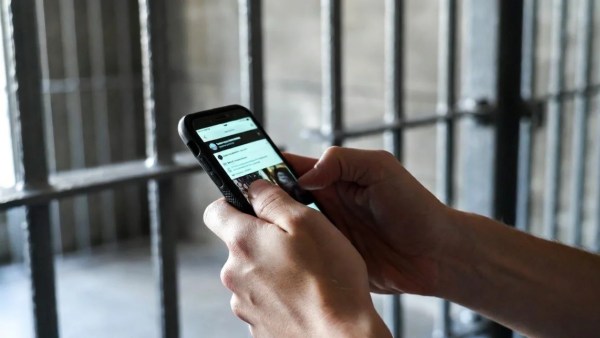
British authorities have established a specialized police unit to monitor social media for posts viewed as potential indicators of anti-migrant unrest, prompting a growing debate over the balance between public safety and freedom of expression. According to reports, the National Internet Intelligence Investigations team will collect and analyze online content to identify early signs of disorder following previous riots linked to immigration tensions. Supporters argue the initiative is intended to prevent violence before it occurs, while critics contend it risks transforming law enforcement into an arbiter of lawful political speech and could chill legitimate public discussion on immigration and government policy. The controversy has intensified broader concerns about the expanding role of government agencies in monitoring online discourse and whether finite police resources are being directed away from traditional crime-fighting priorities.
Sources
- https://www.zerohedge.com/political/uk-police-literally-have-elite-squad-flag-spicy-social-media-posts
- https://www.telegraph.co.uk/news/2025/07/26/elite-police-squad-monitor-anti-migrant-posts-social-media
- https://www.gov.uk/government/news/government-response-to-online-content-and-public-order
Key Takeaways
- The creation of a specialized police unit dedicated to monitoring social media has intensified concerns that the boundary between preventing violence and policing lawful political expression is becoming increasingly blurred.
- The initiative reflects a broader shift toward using online intelligence as an early-warning tool for potential civil unrest, particularly following recent immigration-related disturbances in the United Kingdom.
- Critics argue that expanding surveillance of political speech risks undermining public confidence in law enforcement, especially if citizens perceive police resources as being diverted from addressing violent crime and property offenses.
In-Depth
The British government’s decision to expand law enforcement’s monitoring of social media represents another milestone in the growing tension between public order and individual liberty. Authorities maintain that the new investigative unit is designed to identify warning signs of violence before disorder erupts, citing lessons learned from previous episodes of civil unrest. Preventing riots is unquestionably a legitimate responsibility of government, and modern communications platforms have become an undeniable component of that challenge.
Even so, many observers view the policy as symptomatic of a broader trend in which governments increasingly treat controversial speech as a security concern rather than a democratic reality. Immigration remains one of Britain’s most divisive political issues, and critics argue that monitoring online commentary about migration risks creating the perception that expressing unpopular opinions—even lawful ones—could attract official scrutiny. Such perceptions can discourage open debate regardless of whether enforcement action ultimately follows.
For conservatives, the concern extends beyond this single initiative. A free society depends on the ability of citizens to criticize government policy without fearing that their opinions alone will place them under official observation. While incitement to violence and genuine criminal threats deserve aggressive enforcement, many argue that lawful political expression should remain protected, even when it is provocative or offensive. As governments adopt increasingly sophisticated digital surveillance capabilities, maintaining that distinction will likely become one of the defining civil-liberties questions facing Western democracies in the years ahead.