

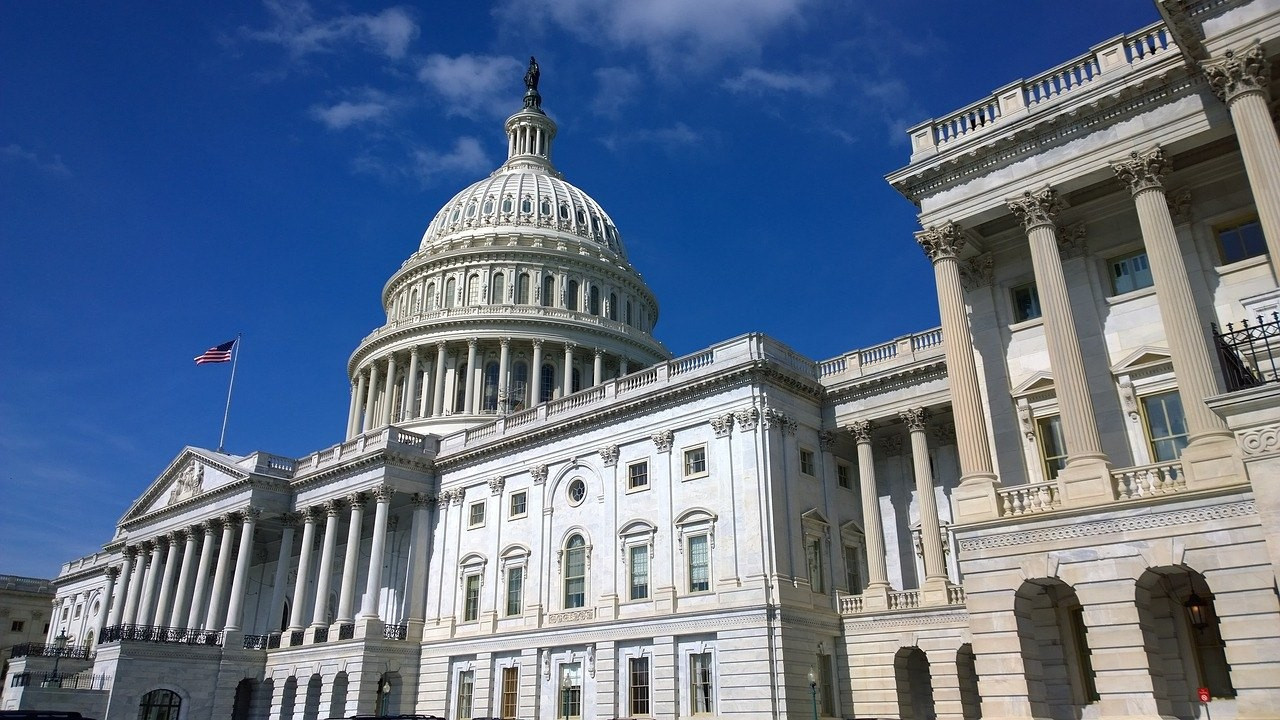
The U.S. Senate has taken another significant step toward debating the CLARITY Act, legislation designed to establish a comprehensive federal regulatory framework for digital assets. Senate leadership is positioning the measure for a floor vote after the August recess, reflecting growing momentum behind an effort to define when cryptocurrencies fall under securities law versus commodities regulation. Supporters argue the legislation would finally provide long-awaited legal certainty, encourage innovation, strengthen America’s competitiveness in the digital asset marketplace, and reduce the regulatory ambiguity that has driven investment overseas. Critics continue to raise concerns over ethics provisions, the scope of federal oversight, and the potential impact on traditional financial institutions, ensuring the measure will remain the focus of intense negotiations before any final vote.
Sources
- https://www.reuters.com/legal/government/us-senate-advances-landmark-crypto-bill-before-heading-august-recess-2026-08-08
- https://www.ft.com/content/352a15ac-53c4-46eb-b75e-957f0388dc79
- https://www.coindesk.com/policy/2026/07/27/u-s-senate-puts-off-crypto-clarity-act-for-now-as-it-focuses-limited-bandwidth-elsewhere
Key Takeaways
- The CLARITY Act would establish long-sought federal rules distinguishing which digital assets fall under SEC jurisdiction and which would be regulated as commodities, providing greater certainty for investors and businesses.
- Senate leadership intends to bring the legislation to the floor following the August recess, although bipartisan negotiations over ethics language and regulatory details remain unresolved.
- Supporters view the bill as essential for maintaining American leadership in financial innovation, while opponents argue additional safeguards are needed before creating a permanent regulatory framework.
In-Depth
For years, the United States has operated without a coherent regulatory framework for digital assets, leaving businesses, investors, and regulators navigating an inconsistent patchwork of enforcement actions and overlapping agency claims. The CLARITY Act represents Congress’s most ambitious effort to replace uncertainty with defined statutory rules, establishing clearer lines between the Securities and Exchange Commission and the Commodity Futures Trading Commission.
From a conservative perspective, regulatory certainty—not regulatory expansion—is the principal value of the legislation. Markets function best when participants understand the rules in advance rather than learning them through selective enforcement or shifting administrative interpretations. By placing those standards into law through Congress, the measure seeks to reduce the arbitrary exercise of executive authority while encouraging innovation to remain within the United States instead of migrating to jurisdictions offering greater legal clarity.
The bill nevertheless faces genuine political obstacles. Democrats continue pressing for stronger ethics provisions concerning elected officials’ cryptocurrency interests, while some Republicans remain attentive to concerns raised by community banks regarding competition from certain digital asset products. Despite those disagreements, Senate leadership’s decision to move the legislation toward a floor vote signals that a bipartisan path remains possible.
Whether the final legislation resembles today’s proposal or emerges from further compromise, Congress appears closer than ever to establishing a durable legal framework for digital assets. If enacted, the CLARITY Act would mark one of the most consequential financial regulatory reforms since the emergence of cryptocurrency, replacing years of uncertainty with rules enacted through the legislative process rather than dictated by unelected regulators.