

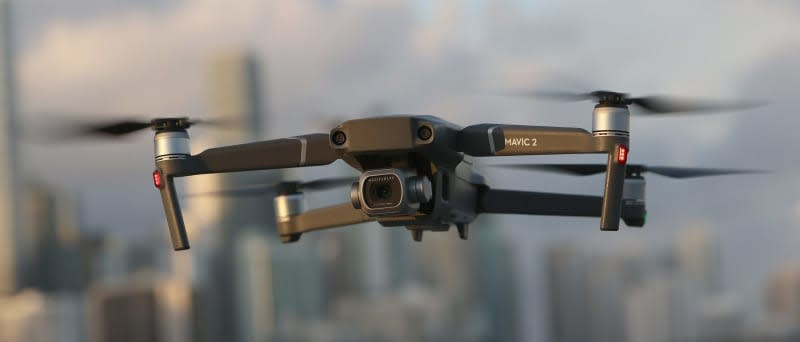
German authorities are intensifying their investigation after an explosive-laden drone was discovered near Ukrainian cargo aircraft at Leipzig/Halle Airport, an incident that temporarily shut down one of Europe’s most important logistics hubs and has heightened concerns over hybrid warfare targeting NATO infrastructure. Investigators determined the drone contained professional-grade explosives and a detonator, while a separate object reportedly struck a cargo aircraft during the same period. Although German officials have stopped short of publicly assigning blame, senior officials have described the event as a significant escalation in the threat posed by hostile drone operations. Subsequent reporting indicates U.S. intelligence believes the operation was linked to Russian intelligence services, though Moscow has denied involvement. The episode has prompted renewed debate over Europe’s vulnerability to sabotage, the protection of critical infrastructure, and whether existing deterrence measures are sufficient against increasingly sophisticated asymmetric threats.
Sources
- https://fortune.com/2026/08/09/mysterious-drone-flights-europe-explosives-german-airport-ukraine
- https://www.reuters.com/world/europe/plane-near-drone-found-german-airport-was-carrying-ammunition-media-reports-say-2026-08-06
- https://apnews.com/article/7812a9ca0916056dbe2530c9c8e90060
- https://www.theguardian.com/world/2026/aug/10/us-intelligence-russia-leipzig-airport-drone-bomb
Key Takeaways
- The discovery of an explosive-equipped drone near Ukrainian cargo aircraft at Leipzig/Halle Airport represents a notable escalation from surveillance incidents to an apparent sabotage attempt against critical European infrastructure.
- While German investigators have not officially attributed responsibility, reporting indicates U.S. intelligence believes Russian intelligence services were responsible, underscoring growing concerns about hybrid warfare inside NATO territory.
- The incident is accelerating calls across Europe for stronger counter-drone capabilities, tougher infrastructure protection, and a more assertive response to unconventional security threats.
In-Depth
The discovery of an explosive-laden drone inside the perimeter of Leipzig/Halle Airport is another reminder that the modern battlefield increasingly extends well beyond traditional combat zones. Critical transportation hubs, military logistics centers, and commercial infrastructure are becoming attractive targets for actors seeking to disrupt operations without triggering a conventional military confrontation. Leipzig is particularly significant because it serves as a major cargo gateway supporting commercial freight as well as transportation linked to Ukraine and NATO logistics.
German officials have characterized the incident as representing a new level of danger, and with good reason. A successful detonation near cargo aircraft or fuel infrastructure could have produced catastrophic consequences, both in terms of lives lost and strategic disruption. Even without an explosion, temporarily shutting down a major European cargo hub demonstrates how relatively inexpensive drone technology can create outsized economic and security effects.
Reports indicating that U.S. intelligence believes Russian intelligence services orchestrated the operation add another layer of geopolitical significance, although German authorities continue their investigation without issuing a formal public attribution. Such caution reflects both the evidentiary standards required for official accusations and the broader diplomatic implications of assigning responsibility for an apparent attack occurring within NATO territory.
For Western governments, the broader lesson is that protecting airports, logistics centers, energy facilities, and military infrastructure now requires defenses designed for persistent, low-cost drone threats. Traditional security measures alone are increasingly insufficient against sophisticated unmanned systems capable of reconnaissance, disruption, or sabotage. As these technologies proliferate, European governments are likely to place greater emphasis on integrated counter-drone systems, intelligence sharing, and stronger deterrence policies aimed at preventing future attacks before they occur.