

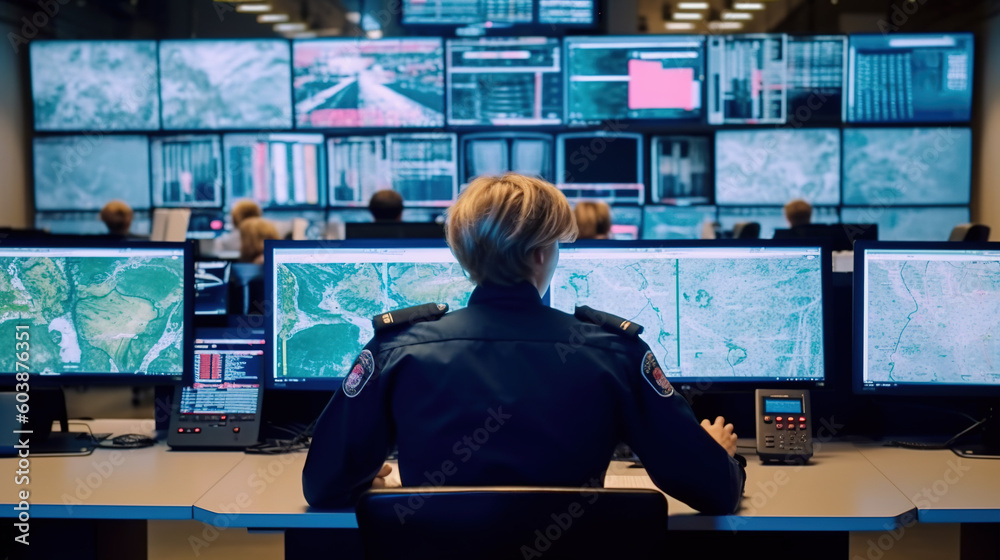
New Orleans has become the first major U.S. city to deploy an artificial intelligence system that can answer certain 911 calls under limited circumstances, marking a significant technological shift in emergency communications. City officials say the AI Emergency Call Triage system is designed to reduce dispatcher overload by handling repeat reports of already-known incidents—primarily traffic crashes—only when all human call-takers are occupied. Supporters argue the technology will free dispatchers to focus on life-threatening emergencies and improve response efficiency in a city that receives more than 1,000 emergency calls daily. Critics, however, contend that introducing AI into any part of the emergency call process risks missing critical nuances, emotional cues, language barriers, or concealed pleas for help that experienced human dispatchers often recognize instinctively. The debate reflects a broader national question about whether artificial intelligence should augment—or potentially displace—human judgment in life-and-death public safety situations.
Sources
- https://nypost.com/2026/08/09/us-news/new-orleans-becones-first-major-us-city-to-use-ai-for-911-calls
- https://www.fox8live.com/2026/07/17/when-calling-911-center-new-orleans-ai-may-answer-heres-why
- https://www.wdsu.com/article/new-orleans-ai-311-calls/70968323
Key Takeaways
- AI is being introduced as a supplemental triage tool rather than a wholesale replacement for human 911 dispatchers, with officials emphasizing that its current role is narrowly focused on repeat reports of previously identified incidents.
- Supporters argue that reducing the burden of duplicate calls could allow human dispatchers to respond more quickly to genuine emergencies during periods of heavy call volume.
- The rollout has intensified concerns over whether artificial intelligence can reliably interpret the ambiguity, emotion, accents, coded language, and rapidly changing circumstances that often characterize emergency calls.
In-Depth
The decision by New Orleans to incorporate artificial intelligence into portions of its 911 call-handling process illustrates both the promise and the peril of introducing automation into public safety. Emergency communications centers nationwide continue to struggle with staffing shortages, increasing call volumes, and dispatcher burnout. Against that backdrop, city officials view AI as another operational tool capable of filtering duplicate reports and preserving human attention for the most urgent emergencies. The technology is intended to streamline, not eliminate, the human role.
Even so, skepticism is well founded. Emergency calls rarely follow predictable scripts. Victims may whisper, speak in coded language to avoid alerting an abuser, struggle with language barriers, or communicate under extreme stress. These situations often require intuition, judgment, and contextual understanding that remain difficult for artificial intelligence to replicate consistently. While AI has advanced rapidly in routine conversational tasks, emergency response demands near-perfect reliability because mistakes can carry irreversible consequences.
The larger policy question extends well beyond New Orleans. Governments increasingly face pressure to use AI to reduce costs and improve efficiency, yet taxpayers also expect accountability when technology fails. The prudent path is to treat AI as an assistant rather than a decision-maker, ensuring that human professionals retain ultimate responsibility for emergency response. Used conservatively, AI may enhance dispatcher effectiveness. Used too aggressively, however, it risks undermining the very public trust that emergency communications systems depend upon.