

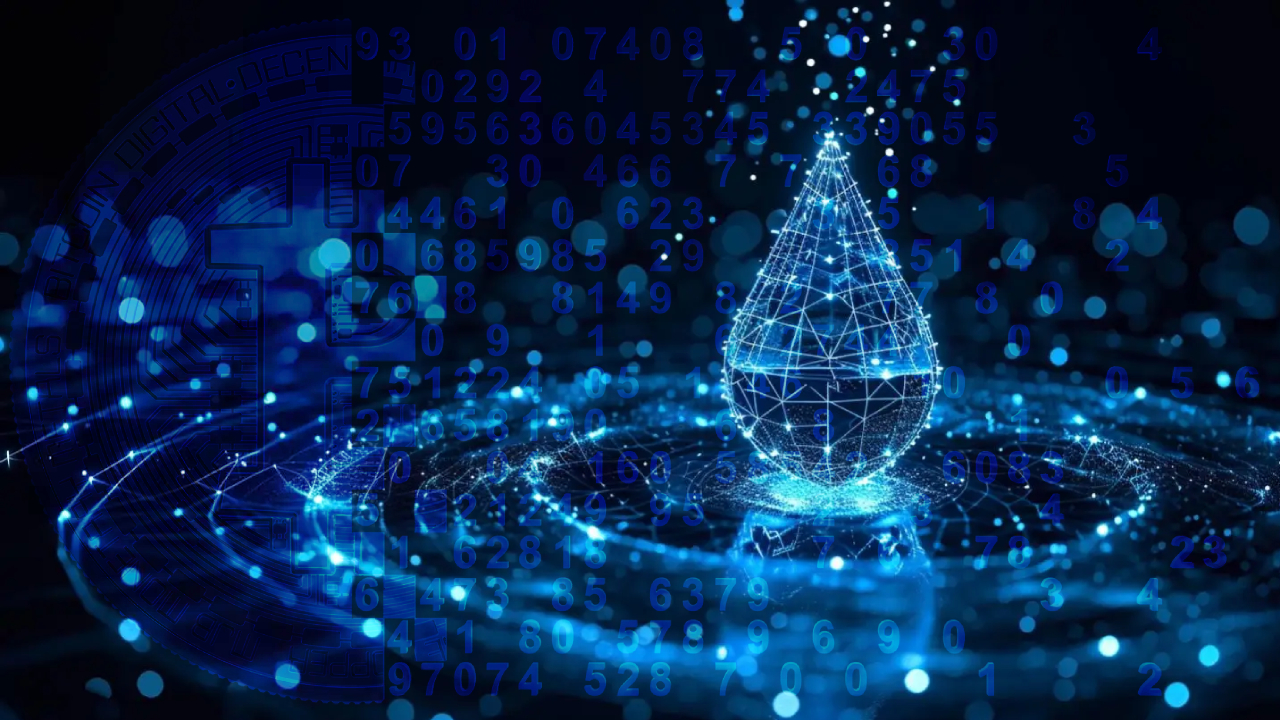
The article argues that an emerging movement to tokenize natural resources—particularly water—represents a fundamental shift in how governments, financial institutions, and technology firms may treat essential resources. It contends that blockchain technology, digital asset markets, and environmental finance initiatives could eventually transform water rights into tradable digital assets, allowing investors to buy and sell fractional ownership interests. The author frames this trend as part of a broader expansion of tokenization beyond traditional financial assets and warns that increasing digitization of natural resources could centralize influence over essential commodities. The piece also links these developments to wider discussions surrounding digital identity systems, artificial intelligence, environmental governance, and the growing role of financial markets in managing scarce resources, arguing that policymakers and the public should closely scrutinize how ownership rights, regulatory authority, and market incentives evolve as these technologies mature.
Key Takeaways
- The article contends that water rights could increasingly become tokenized digital assets, allowing fractional ownership and blockchain-based trading of access to one of the world’s most essential natural resources.
- It argues that tokenization extends beyond finance into environmental governance, linking digital ledgers, AI, and monitoring technologies with the management of land, forests, biodiversity, and water.
- The author urges greater public scrutiny of emerging digital governance models, maintaining that transparency, property rights, and democratic oversight should remain central as governments and private institutions explore new methods of managing natural resources.
In-Depth
The article presents a sweeping critique of the growing movement to tokenize real-world assets, arguing that water represents one of the next frontiers in financial innovation. Rather than viewing tokenization solely as a technological improvement for financial markets, the author contends that applying blockchain technology to water rights could fundamentally alter the relationship between citizens, governments, investors, and essential natural resources. The concern is not simply that water becomes easier to trade, but that ownership structures themselves could evolve in ways that place greater influence in the hands of large institutional actors.
The article connects this concept to broader trends involving environmental finance, digital identity systems, artificial intelligence, and blockchain infrastructure. According to the author, these developments should not be evaluated independently but as interconnected components of an expanding digital ecosystem capable of tracking, valuing, and managing physical assets through programmable technologies. From this perspective, tokenization represents more than financial modernization; it reflects a new model of governance over scarce resources.
From a conservative standpoint, the article raises familiar questions about private property, constitutional protections, market concentration, and the proper limits of centralized authority. It argues that policymakers should carefully distinguish between technologies that improve efficiency and policies that could weaken traditional ownership rights or diminish local control over vital resources. The piece ultimately maintains that water should be treated with exceptional caution because of its indispensable role in human life, agriculture, and national security. Whether or not one accepts all of the author’s conclusions, the article underscores an important debate likely to expand as blockchain applications move beyond financial markets and into the management of physical assets and critical infrastructure.
Sources
- https://www.zerohedge.com/geopolitical/tokenization-h2o-elites-are-claiming-worlds-water-supply-plan-trade-it
- https://www.weforum.org/stories/2023/09/tokenization-explained/
- https://www.blackrock.com/corporate/investor-relations/larry-fink-annual-chairmans-letter
- https://www.worldbank.org/en/topic/water-resources-management