

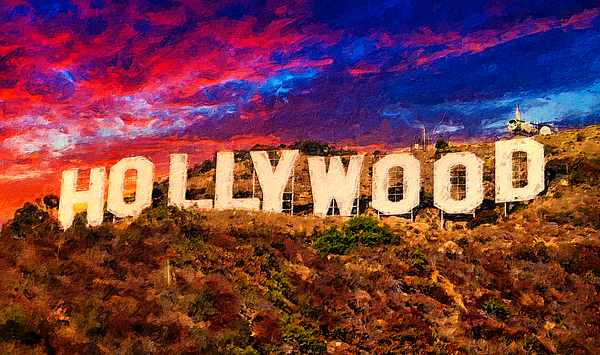
Hollywood’s long fascination with Silicon Valley is entering a markedly darker phase, with a new generation of films and television programs portraying technology founders less as visionary entrepreneurs and more as powerful figures whose ambitions can carry serious social consequences. The shift is visible in The Social Reckoning, Aaron Sorkin’s follow-up to The Social Network, which revisits Facebook through whistleblower Frances Haugen and the internal documents she disclosed; Artificial, which dramatizes Sam Altman‘s 2023 removal and return at OpenAI; and Cupertino, a legal drama built around ordinary people challenging powerful technology interests. Perhaps more consequential than Hollywood’s changing portrayal of Silicon Valley, however, is Silicon Valley’s increasing financial presence inside Hollywood itself. Amazon MGM dropped the nearly completed Artificial only months after Amazon announced a major OpenAI partnership, although the company said simply that the film would be better served by another distributor; Neon subsequently acquired it. The episode raises an uncomfortable question for an entertainment industry increasingly intertwined with technology companies: whether studios dependent upon Big Tech ownership, investment, infrastructure and business relationships will remain willing to produce films that scrutinize the same powerful interests helping finance and distribute entertainment.
Key Takeaways
- Hollywood’s tech-founder narrative has evolved from the brilliant, eccentric entrepreneur celebrated in earlier films toward stories examining concentrated power, corporate misconduct, social consequences and the people challenging Silicon Valley’s largest institutions.
- The 2026 slate makes that change unusually visible: The Social Reckoning examines Facebook through the Frances Haugen disclosures, Artificial dramatizes OpenAI’s leadership crisis, and Cupertino depicts attorneys fighting technology companies on behalf of people allegedly mistreated by them.
- The larger concern is structural: technology companies and technology investors increasingly overlap with Hollywood, creating potential conflicts between commercial relationships and filmmakers’ willingness to scrutinize influential technology executives. Amazon’s decision to relinquish Artificial following its OpenAI partnership illustrates the concern, although Amazon did not publicly attribute its decision to that relationship.
In-Depth
Hollywood once treated the technology entrepreneur as a distinctly American archetype: brilliant, abrasive, unconventional and ultimately impressive because he built something enormous. The Social Network complicated that image, but its Mark Zuckerberg remained fascinating partly because ambition and ability were inseparable from his flaws. Sixteen years later, The Social Reckoning arrives in a culture far less inclined to romanticize Silicon Valley.
That change reflects something larger than cinematic fashion. Technology companies now possess extraordinary influence over communications, artificial intelligence, entertainment distribution and information itself. Hollywood’s emerging stories increasingly ask what happens when innovative outsiders become powerful institutions, and whether society has surrendered too much authority to executives accountable primarily to their companies and investors.
The irony is that Hollywood itself is increasingly entangled with those interests. Amazon MGM abandoned Artificial, a nearly completed film about OpenAI leader Sam Altman, after Amazon entered a major commercial relationship with OpenAI. Amazon maintained that another distributor would better serve the movie, and there is no established evidence that OpenAI dictated the decision. Neon ultimately acquired the film.
Still, the episode exposes a legitimate institutional concern. Corporate ownership does not automatically produce censorship, but concentrated economic power can create incentives that independent filmmakers once faced less directly. When technology companies own studios, finance entertainment businesses and maintain multibillion-dollar relationships with the subjects filmmakers examine, creative independence becomes more than an artistic question.
Hollywood is therefore confronting a revealing contradiction: just as filmmakers are becoming more skeptical of Silicon Valley’s power, the entertainment industry is becoming increasingly dependent upon it.
Sources
- https://www.theverge.com/ai-artificial-intelligence/952906/sam-altman-film-artificial-openai-amazon-mgm-dropped
- https://www.latimes.com/entertainment-arts/business/story/2026-06-30/after-amazon-drops-openai-movie-artificial-film-finds-new-home-at-neon
- https://www.vanityfair.com/story/elon-musk-sam-altman-mark-zuckerberg-movie-villains
- https://www.cbs.com/shows/cupertino/
- https://www.businessinsider.com/the-social-reckoning-cast-trailer-release-date-facebook-mark-zuckerberg-2026-6