

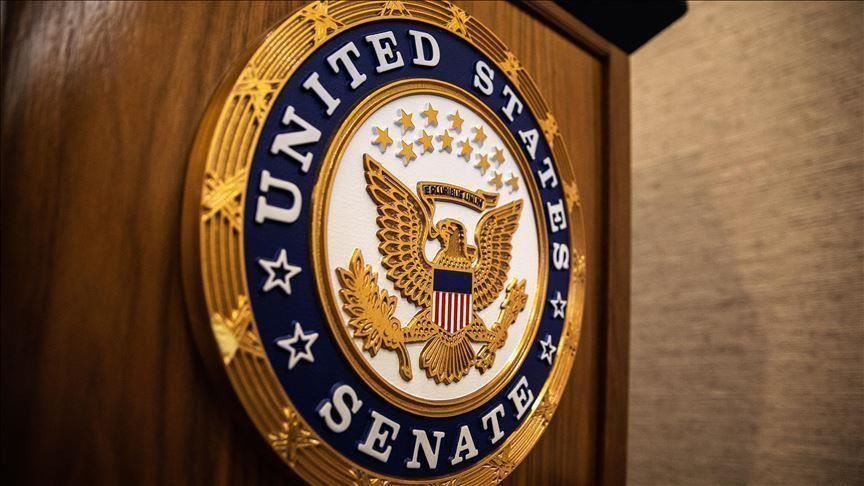
Senate Democrats blocked the Ratepayer Protection Act on September 30, preventing a House-passed measure addressing electricity costs associated with rapidly expanding AI data centers from advancing despite overwhelming bipartisan support in the lower chamber. The Senate voted 57-43 to proceed, three votes short of the 60 required, with Republicans joined by Democratic Sens. Maggie Hassan, Amy Klobuchar, Jon Ossoff and Raphael Warnock. The legislation, which passed the House 417-3 on September 16, would require state utility regulators to consider standards designed to prevent households and small businesses from bearing infrastructure costs created by large electricity users such as data centers. Democratic opponents argued that the bill was inadequate because it required regulators only to consider such protections rather than mandate them, while Republicans maintained it represented a bipartisan first step toward preventing technology companies from shifting infrastructure expenses onto ordinary ratepayers. The disagreement leaves Congress without a federal solution as electricity demand from AI infrastructure becomes an increasingly significant economic and political issue heading into the November midterm elections.
Key Takeaways
- The Ratepayer Protection Act received overwhelming House support, passing 417-3, but failed to clear the Senate’s 60-vote procedural threshold after receiving 57 votes.
- Only four Senate Democrats—Maggie Hassan, Amy Klobuchar, Jon Ossoff and Raphael Warnock—joined Republicans in voting to advance the legislation; Democratic opponents argued its consumer protections were voluntary and insufficient.
- Both parties broadly agree that ordinary electricity customers should not be forced to absorb grid-upgrade costs created by massive new data centers, but they disagree over whether Congress should establish a federal process encouraging state regulators to impose those costs on large users or enact mandatory requirements.
In-Depth
The Senate’s rejection of the Ratepayer Protection Act demonstrates how quickly America’s artificial-intelligence boom has become an energy affordability issue. Data centers require enormous quantities of electricity, and building generation, transmission and other infrastructure to serve them can create costs that ultimately become part of the debate over household utility bills.
The legislation offered a comparatively restrained federal approach. Rather than directly imposing nationwide electricity-rate requirements, it would have required state utility regulators to consider standards under which large users would bear incremental infrastructure costs attributable to their demands. That approach attracted extraordinary bipartisan support in the House, where the bill passed 417-3.
Senate Democrats nevertheless argued that consideration is not the same as protection. Their central objection was that states would not actually be required to adopt the standards. Democratic leaders instead promoted the GRID Savings Act, which would impose stronger requirements intended to make large data centers pay the full costs of necessary grid upgrades.
Republicans countered that rejecting an overwhelmingly bipartisan measure sacrificed achievable progress because it did not satisfy demands for a more prescriptive federal solution. The timing, weeks before the midterms, inevitably intensified partisan accusations from both sides.
Beneath that political fight is a legitimate policy question that will outlast the election. America needs substantial computing infrastructure if it intends to remain competitive in artificial intelligence, but families and small businesses have an equally legitimate interest in avoiding subsidies for some of the world’s wealthiest technology companies. Whatever mechanism Congress ultimately adopts, transparency about who creates new grid costs—and who ultimately pays them—will be essential.
Sources
- https://www.newsweek.com/ai-data-center-bill-democrats-voting-republicans-list-12509123
- https://www.reuters.com/world/us-senate-set-block-bill-address-data-center-costs-2026-09-30/
- https://www.cbsnews.com/news/senate-data-center-bill-vote-democrats/
- https://rollcall.com/2026/09/30/voluntary-ratepayer-protection-bill-blocked-in-senate-again/
- https://apnews.com/article/1e92cea86041e06e13853705319a7868