

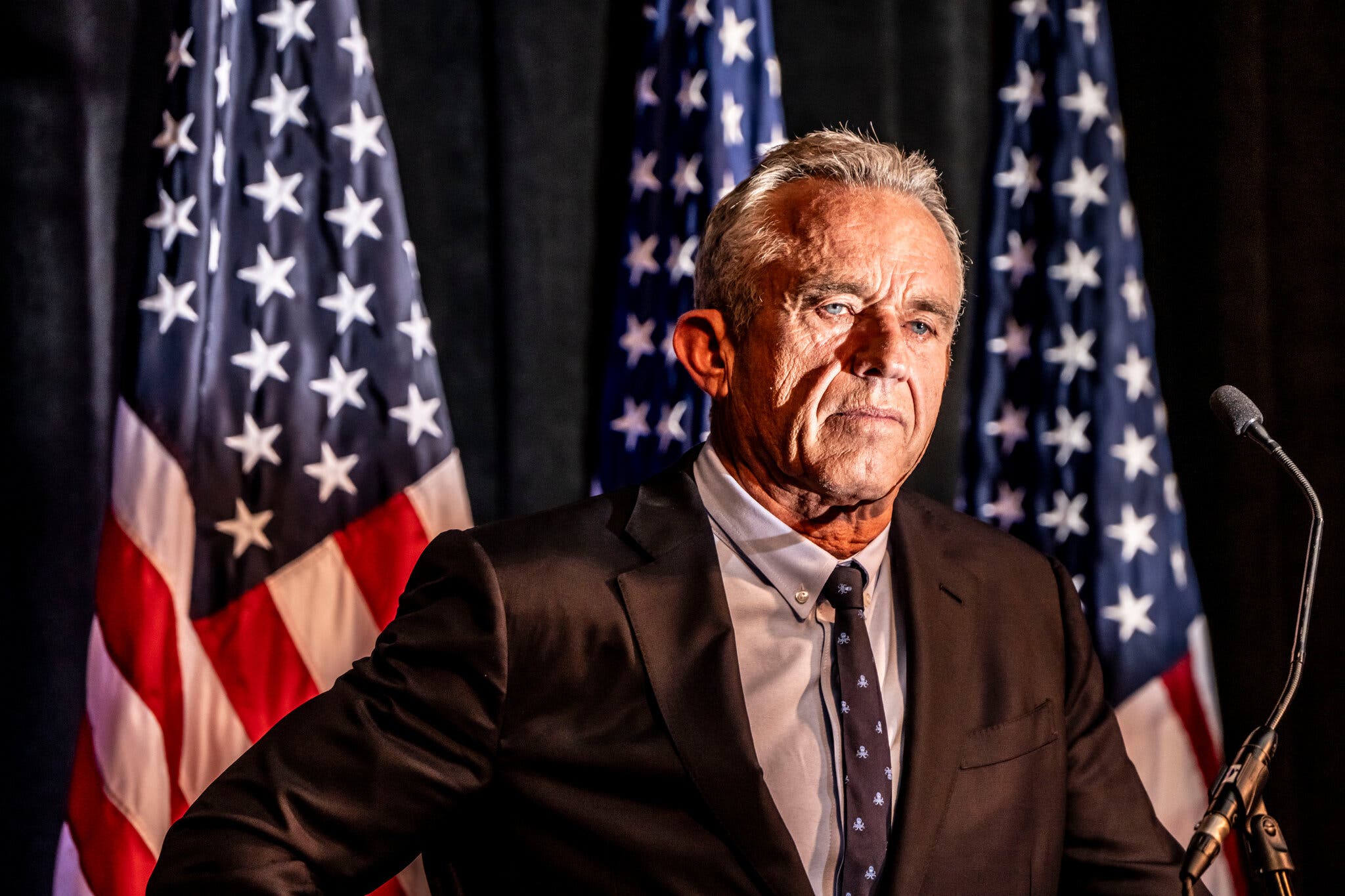
Health and Human Services Secretary Robert F. Kennedy Jr. promoted artificial intelligence as a potentially transformative tool for patients and physicians, arguing at the MAHA Summit in Washington that AI can rapidly analyze extensive medical records, provide patients with highly informed second opinions and allow Americans to independently scrutinize medical guidance from doctors and public-health authorities. Kennedy recounted a conversation in which OpenAI CEO Sam Altman allegedly told him it would be “malpractice” for physicians to diagnose or prescribe without consulting AI, while Kennedy suggested the technology could help break dependence on institutional expertise by giving individuals greater access to information. Vice President JD Vance acknowledged potential AI dangers but argued that preserving product-liability accountability is preferable to insulating technology companies from responsibility. The remarks drew criticism from physicians questioning AI’s reliability and came amid broader debate over medical errors, hallucinated AI answers, patient privacy and the influence of technology companies—including OpenAI and Anthropic, which sponsored the industry-backed summit. The Epoch Times
Key Takeaways
- Kennedy believes AI can democratize medical knowledge by reviewing extensive patient records, providing second opinions and giving ordinary Americans greater ability to independently examine medical recommendations traditionally controlled by physicians and public-health institutions. The Epoch Times
- Kennedy attributed to Altman the striking contention that doctors should consult AI before diagnosing or prescribing, but critics argue current evidence does not establish that AI medical advice is categorically more reliable than physician judgment. The Epoch Times
- The push toward AI-assisted medicine raises competing questions about patient empowerment, corporate influence, inaccurate AI answers, liability and privacy—particularly as government and private industry consider combining increasingly extensive health datasets with powerful AI systems. STAT
In-Depth
Artificial intelligence could fundamentally alter the balance of power in American medicine by giving patients analytical capabilities once available primarily through physicians, hospitals and large institutions. Kennedy’s argument is that AI can digest enormous medical records in seconds, identify relevant information and provide patients with another perspective before consequential healthcare decisions are made.
That potential deserves serious attention. Americans frequently confront rushed appointments, fragmented records and healthcare systems in which information remains scattered among hospitals, laboratories, insurers and pharmacies. Giving individuals technology capable of organizing that information could make patients better informed and physicians more efficient. The Epoch Times
But empowering patients should not require pretending AI is infallible. Large language models can produce incorrect information with remarkable confidence, and medical decisions often require physical examinations, clinical experience and an understanding of circumstances that cannot be captured completely in a chatbot conversation. AI makes the strongest case as an additional analytical tool rather than an unquestioned replacement for physicians.
There is also a legitimate question about corporate influence. OpenAI and Anthropic sponsored the summit where government officials promoted medical AI, making transparency particularly important. The public should know who develops medical systems, what data trains them and who bears responsibility when they fail.
Kennedy’s larger principle nevertheless has merit: Americans benefit when they can independently examine expert advice rather than accepting authority automatically. AI could dramatically expand that ability, provided patients retain control of their information and human judgment remains central to serious medical decisions. The Epoch Times
Sources
- https://www.theepochtimes.com/us/kennedy-says-ai-can-assist-in-medical-decisions-at-industry-backed-summit-6096659
- https://www.beckersphysicianleadership.com/digital-health/rfk-jr-ai-offers-a-better-informed-second-opinion-than-doctors/
- https://www.washingtonexaminer.com/news/white-house/4746986/vance-rfk-ai-maha-summit/
- https://www.statnews.com/2026/09/29/why-maha-wants-to-make-health-data-much-more-accessible/
- https://www.ibtimes.co.uk/rfk-jr-sam-altman-ai-medical-malpractice-claim-1822880