

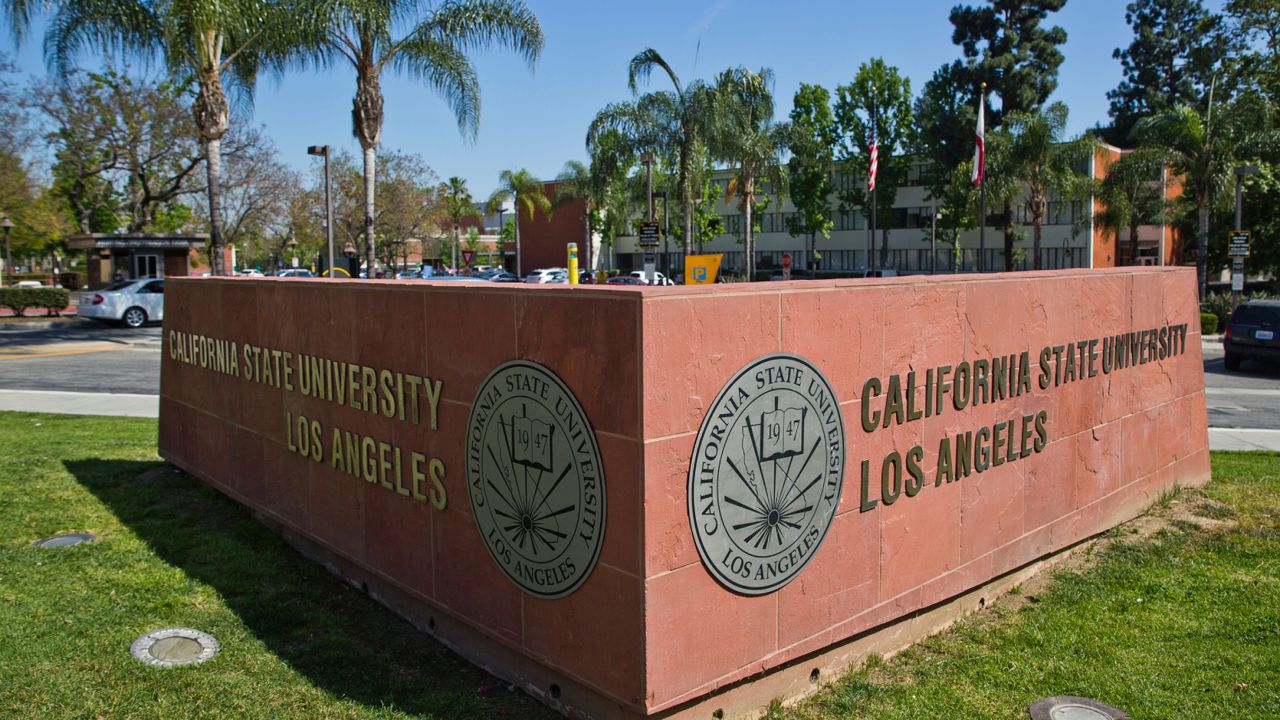
California State University is making one of higher education’s largest bets on artificial intelligence, spending $13 million annually to provide ChatGPT Edu across its roughly 470,000-student system while awarding more than $3 million in grants for faculty AI experimentation and expanding workforce-oriented training. The strategy rests on the assumption that AI proficiency will become increasingly valuable to employers, but students confronting a difficult entry-level labor market are far less certain. CSU’s own survey found 82% of students concerned about AI’s effect on job security, even as 69% believe AI will become essential to most professions. The tension exposes a fundamental challenge for universities: teaching students to use technology that may simultaneously improve their productivity and eliminate some of the very entry-level positions traditionally used to begin professional careers.
Key Takeaways
- CSU is spending $13 million annually on systemwide ChatGPT Edu access as part of a broader effort to make AI literacy a basic workforce skill, while also investing millions in faculty projects and AI-related instruction.
- Students are caught in an uncomfortable contradiction: 69% believe AI will become essential to most professions, yet 82% worry about its effect on job security, particularly as employers consider automating work traditionally assigned to entry-level employees.
- AI proficiency alone may not provide the employment advantage universities hope. Employers are also emphasizing distinctly human capabilities—including leadership, creativity, judgment, communication and ethics—suggesting colleges must protect fundamental skills rather than allowing technological fluency to replace them.
In-Depth
California State University has effectively decided that ignoring artificial intelligence poses a greater risk to students than embracing it. The massive public university system is paying $13 million annually to provide ChatGPT Edu while attempting to incorporate AI literacy into education and workforce preparation.
There is logic behind the strategy. Employers are experimenting rapidly with AI, and graduates who enter the workforce without understanding these tools could find themselves competing against applicants who do. CSU’s systemwide survey reinforces that reality: 69% of students believe AI will eventually become essential to most professions.
Yet students recognize the other side of the equation. Eighty-two percent expressed concern about AI’s impact on job security. That concern becomes particularly important for entry-level positions, where routine research, writing, analysis, advertising and administrative tasks are among the activities increasingly susceptible to automation.
The danger is that universities could prepare students exceptionally well to operate technology that ultimately reduces employers’ need to hire them. That makes CSU’s experiment about considerably more than ChatGPT.
Universities should certainly teach students how to use powerful new technology, just as previous generations learned computers, spreadsheets and the internet. But higher education should resist treating AI proficiency as a substitute for education itself. Employers cited in the reporting still want leadership, inventiveness and ethical judgment—the characteristics machines cannot easily replicate.
CSU’s challenge, therefore, is not merely creating AI-capable graduates. It is producing graduates whose knowledge, judgment and human capabilities remain valuable precisely because AI cannot easily replace them.
Sources
- https://www.sfchronicle.com/california/article/csu-ai-students-workforce-22463697.php
- https://www.calstate.edu/csu-system/news/Pages/CSU-Releases-Largest-and-Most-Comprehensive-Survey-on-Artificial-Intelligence-in-Higher-Education.aspx
- https://www.calstate.edu/impact-of-the-csu/technology/ai-empowered-csu/Pages/ai-survey.aspx
- https://www.calstate.edu/csu-system/news/Pages/CSU-Advances-Universal-AI-Literacy-Education-Across-California-Through-New-Micro-Credential-Pilot-Program.aspx
- https://laist.com/brief/news/education/csu-renews-openai-contract-chatgpt-artificial-intelligence