

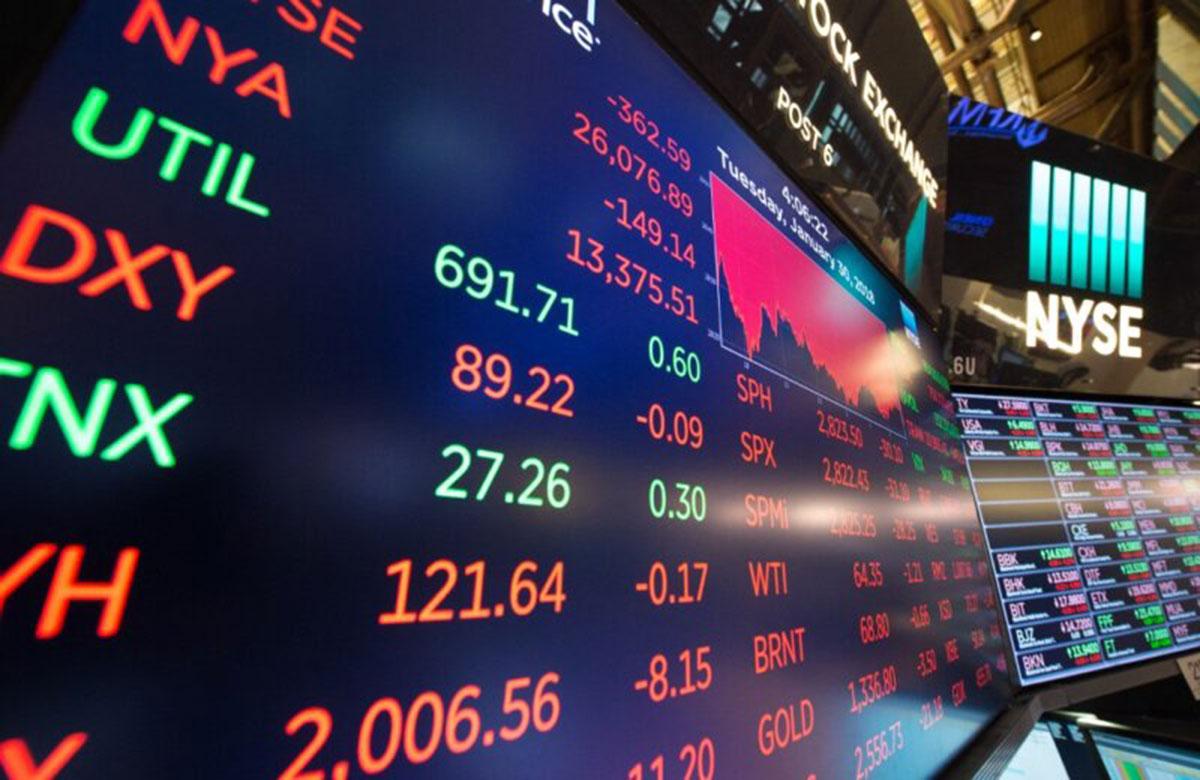
• The Nasdaq Composite plunged 10.02% during the week ending Nov. 20, 2026, its worst weekly decline in more than six years, as concerns over artificial intelligence investments triggered widespread selling.
• Anthropic‘s historic IPO and Nvidia‘s stronger-than-expected earnings failed to restore investor confidence amid mounting concerns about AI valuations, slowing infrastructure spending and tighter financial conditions.
• The sell-off spread beyond technology stocks, pushing the S&P 500 and Dow into correction territory while raising concerns about retirement investments, economic growth and the sustainability of the AI boom.
Wall Street suffered its sharpest weekly technology sell-off in more than six years as doubts about artificial intelligence spending, inflation and financing conditions rattled investors. The Nasdaq Composite plunged 10.02% during the week ending Nov. 20, 2026, while the S&P 500 lost 8.61% and the Dow Jones Industrial Average fell 8.02%. Selling accelerated Friday, when the Nasdaq dropped 5.28%, wiping out its gains for the year. Semiconductor manufacturers and companies supplying AI infrastructure faced losses as investors reconsidered growth expectations and valuations.
Anthropic’s record-setting stock market debut failed to restore confidence despite an initial surge in its shares. Nvidia also struggled, even after reporting earnings that exceeded expectations and raising its outlook. Concerns about slowing data center expansion, semiconductor export restrictions and the prospect of higher interest rates compounded the pressure. The sell-off spread beyond technology stocks and into international markets, underscoring uncertainty over the sustainability of the AI investment boom.
Why It Matters
The market rout exposes the danger of treating artificial intelligence as a guaranteed source of limitless profits. Investors financed valuations on expectations that technology companies would keep expanding data centers, buying semiconductors and delivering earnings growth. Those assumptions now face scrutiny as financing becomes more expensive and promised returns remain uncertain. Market discipline, not government intervention or speculative enthusiasm, is essential to separating innovation from excess.
Consequences extend to retirement accounts, pension funds and businesses dependent on investment capital. A sharp decline in technology shares can weaken household wealth and discourage expansion despite resilient consumer spending. Policymakers face choices: Persistent inflation calls for monetary restraint, while restrictions affecting semiconductor exports and infrastructure development introduce uncertainty.
Artificial intelligence may transform the economy, but lasting prosperity depends on productivity, transparent financial reporting and sustainable profits rather than hype. Investors must distinguish technological potential from the price they are willing to pay for it.
Sources
• https://apnews.com/article/wall-street-stocks-dow-nasdaq-c10b797a17c2acf37924d834efebe135