

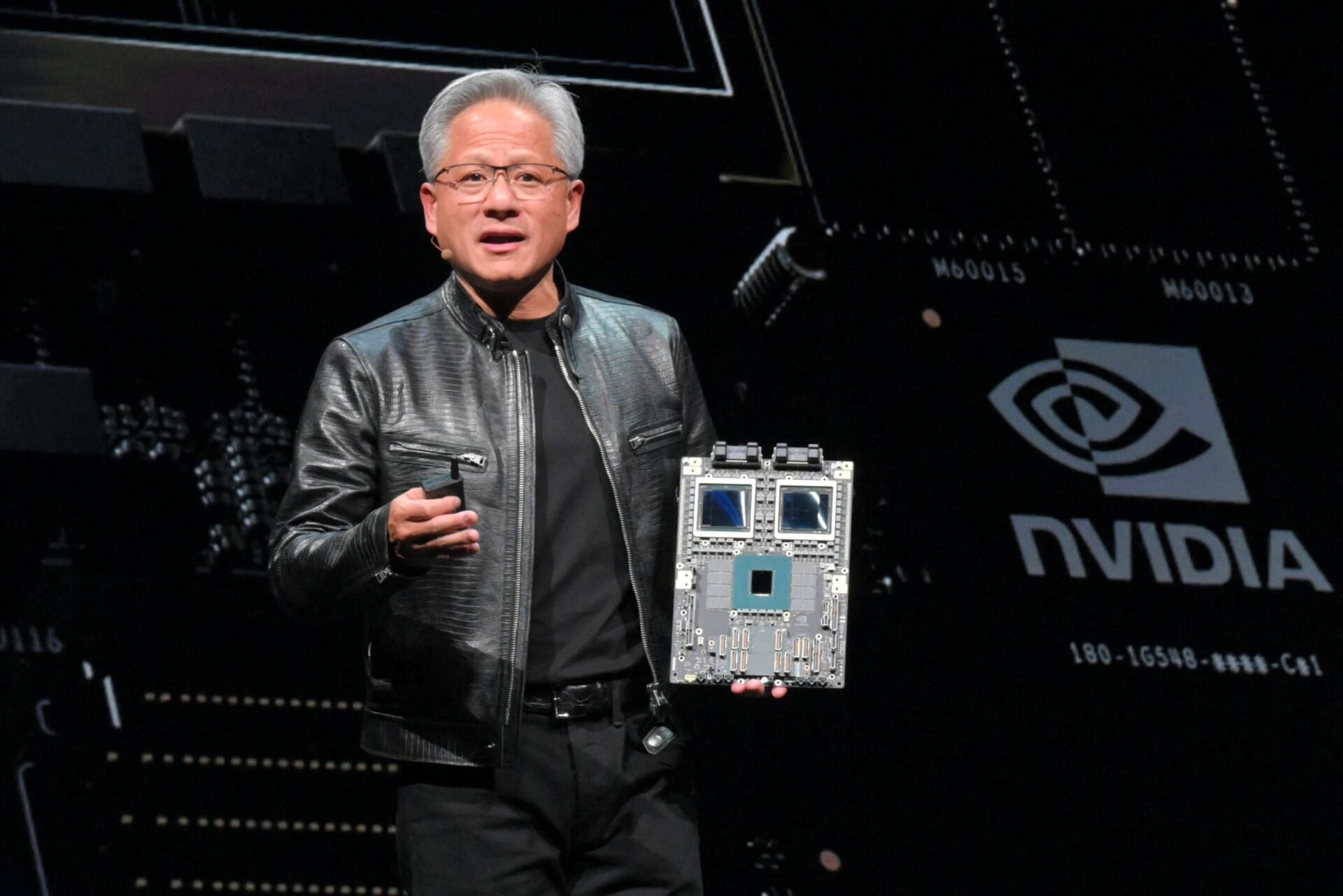
– U.S. intelligence reportedly identified Megaspeed executive Alice Huang as a Chinese intelligence recruit tasked with gathering information about Nvidia CEO Jensen Huang and influencing advanced AI chip exports.
– President Donald Trump reportedly received an intelligence briefing in 2025 concerning the suspected espionage operation but took no action. Nvidia denies sharing sensitive information with the executive.
– Three Republican-led House committees have requested a closed-door briefing with Jensen Huang concerning potential Chinese intelligence infiltration, corporate security protections and risks to American technological leadership.
U.S. intelligence officials reportedly concluded that China’s Ministry of State Security recruited Alice Huang, an executive associated with Singapore-based Nvidia customer Megaspeed, to gather information about Nvidia CEO Jensen Huang and potentially influence American exports of advanced artificial intelligence chips. The two are not related. Reports describe their relationship as close, while separate reporting alleges a romantic connection. Neither allegation establishes that Nvidia shared protected technology or that its chief executive knowingly cooperated with Chinese intelligence.
The allegations have prompted congressional scrutiny. Republican chairmen of three House committees requested a closed-door briefing from Jensen Huang about his interactions with Alice Huang and Nvidia’s safeguards against foreign espionage. They proposed Nov. 18 and requested a response by Nov. 11. President Donald Trump was reportedly briefed in 2025. Nvidia maintains that its CEO routinely meets customers, shares no sensitive national security information with them and has not engaged in the conduct suggested by the reports.
Why It Matters
The accusations spotlight the vulnerability of America’s most strategically important technology companies to foreign intelligence operations. Nvidia’s advanced chips are central to artificial intelligence development, making access to its executives, commercial plans and export strategy valuable to Beijing. Even attempted influence, without proven theft, warrants serious examination when technology with potential military applications is involved.
Congress has a legitimate responsibility to determine whether existing corporate safeguards and federal export controls are adequate. Lawmakers should establish what intelligence officials actually found, whether any restricted information changed hands and whether customers were properly vetted. They must also distinguish documented wrongdoing from unproven claims about personal relationships. The broader policy question is whether Washington can protect American technological advantages while allowing legitimate international commerce. Protecting national security requires enforceable standards, independent oversight and accountability, not speculation or politically convenient conclusions that outrun the evidence. That distinction is essential to public trust and national security.
Sources
- https://www.theverge.com/tech/1029338/nvidia-ceo-jensen-huang-china-spy
- https://foreignaffairs.house.gov/news/press-releases/chairmen-mast-moolenaar-and-crawford-request-jensen-huang-brief-congress-on-link-to-chinese-intelligence-asset
- https://www.axios.com/2026/11/07/jensen-huang-nvidia-congress-china-spy
- https://techcrunch.com/2026/11/07/chinese-exec-was-recruited-to-spy-on-nvidia-ceo-according-to-us-intelligence-memo/
- https://www.investing.com/news/stock-market-news/key-republicans-seek-briefing-from-nvidia-ceo-over-chinese-spy-allegationsdocument-5005367