

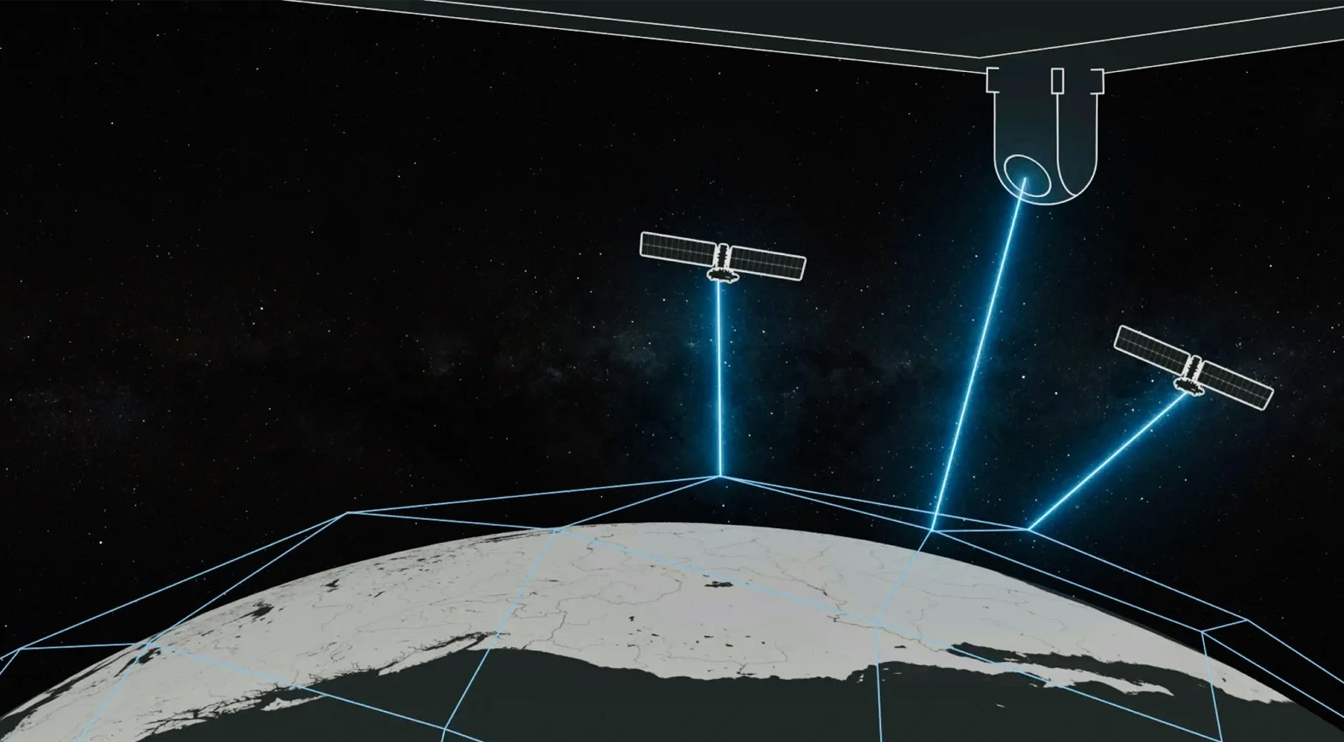
• Ukrainian President Volodymyr Zelenskyy says renewed Starshield satellite restrictions are preventing Ukrainian interceptor drones from reaching speeds necessary to intercept Russian jet-powered attack drones.
• The reported 100-mph operating limit follows similar October disruptions, raising concerns about Ukraine’s reliance on American-controlled satellite communications and the vulnerability of its military operations.
• SpaceX denies changing its service, while Ukraine seeks clarification from Washington amid U.S.-brokered peace negotiations and questions about responsibility for the restrictions.
Ukrainian President Volodymyr Zelenskyy says restrictions on Starshield satellite communications have returned, disrupting military drones operating along the front line and in Russian-occupied Ukrainian territory. According to Zelenskyy, connectivity is limited when equipment travels faster than 100 mph, preventing some interceptor drones from pursuing Russian jet-powered attack drones. He said Russian strikes have already penetrated Ukrainian defenses because of the disruption. Starshield is the military satellite service developed by SpaceX, which disputes the allegation and says its service has not changed.
Ukrainian officials reported similar restrictions in October before service was restored Oct. 24. The renewed complaints surfaced around U.S.-brokered peace negotiations between Russia and Ukraine in Abu Dhabi. Kyiv has requested explanations from American officials, but responsibility for the reported limits remains unclear. The restrictions could also interfere with Ukrainian drone strikes against Russian supply routes in occupied territory, increasing concerns about Ukraine’s dependence on satellite infrastructure controlled outside its military.
Why It Matters
Ukraine’s reported Starshield problems highlight a strategic risk: A military dependent on another country’s satellite infrastructure can lose battlefield capabilities without warning or an immediate alternative. Drones used to intercept incoming Russian attacks require dependable communications, particularly where conventional aircraft cannot safely operate. A restriction affecting fast-moving equipment may therefore translate into weaker defenses and greater danger for civilians.
The dispute also raises legitimate questions about American oversight of sensitive military technology and accountability for decisions affecting an ally. SpaceX denies making changes, and no public evidence establishes that the alleged limits were intended to pressure Ukraine during negotiations. Washington should clarify the system’s operating terms, the authority responsible for restrictions and whether contracted capabilities are being delivered. Clear rules would protect American interests while allowing Ukrainian commanders to plan realistically. Developing backup communications options would further reduce the danger of relying on a single provider during a prolonged war.
Sources
• https://www.axios.com/2026/11/12/ukraine-starshield-restricted-spacex-russia-zelensky