

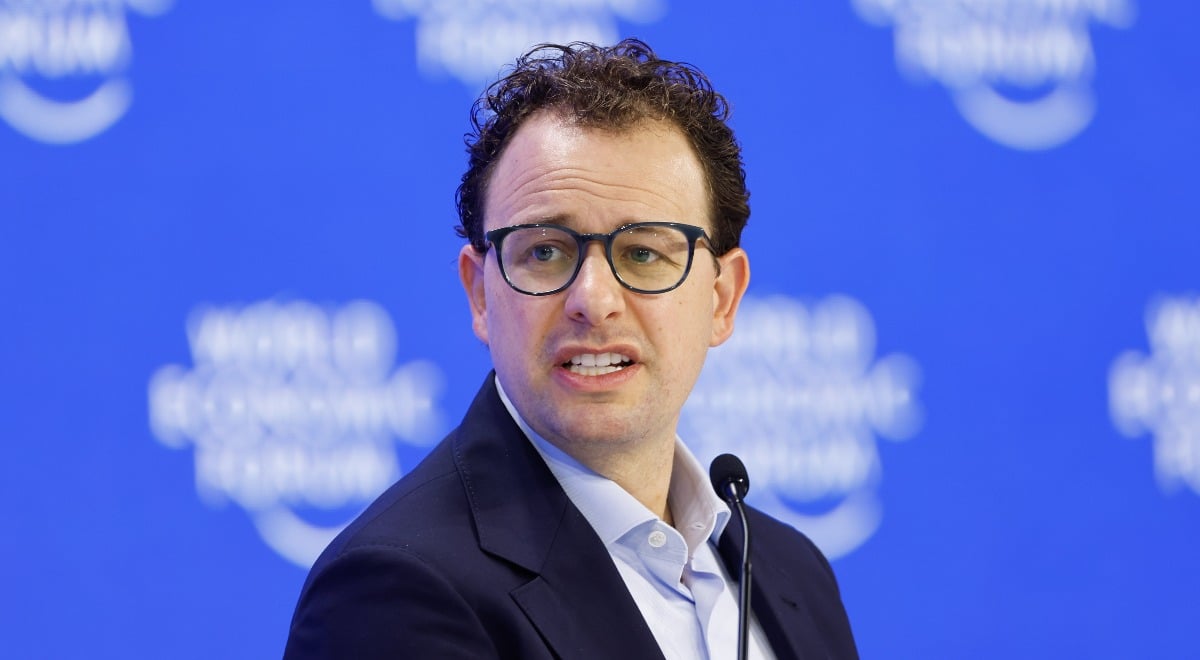
– Anthropic CEO Dario Amodei faces mounting opposition from technology executives who question whether his artificial intelligence safety warnings justify restrictions that could undermine competition and innovation.
– Nvidia, Microsoft, OpenAI and other technology companies have supported open-weight AI development, challenging Anthropic’s reluctance to endorse broader access to advanced models.
– The dispute has reached Washington, raising questions about government regulation, corporate influence, national security and whether AI safety policies could reinforce the market dominance of established companies.
Anthropic CEO Dario Amodei is facing growing opposition from technology executives over his warnings about artificial intelligence and his company’s approach to restricting powerful AI systems. The dispute centers on whether safety concerns justify limiting access to advanced models or whether such restrictions could protect established companies from competition. Industry leaders have challenged Anthropic’s position, while some have sought political support against regulatory measures they regard as excessive.
The disagreement intensified around an industry letter supporting open-weight AI models, which developers can download and customize. Nvidia, Microsoft and other companies backed the initiative, with OpenAI eventually joining. Anthropic declined to sign, although Amodei later said his company did not favor banning open-weight systems. He instead advocated safeguards for models with potentially dangerous capabilities, including testing and limits on technology transfers to adversarial countries. The confrontation exposes competing visions for American AI leadership, commercial competition, national security and public accountability.
Why It Matters
The conflict raises a fundamental question: Who should decide which Americans can develop, distribute and use artificial intelligence? Safety standards can protect critical infrastructure and national security, but restrictions shaped by dominant technology companies could also lock smaller competitors out of a lucrative market. Policymakers should distinguish demonstrable threats from speculative warnings and demand evidence before imposing sweeping barriers.
Open-weight models offer businesses, researchers and independent developers alternatives to systems controlled by a handful of corporations. That competition can lower costs, broaden innovation and reduce dependence on powerful technology gatekeepers. At the same time, unrestricted distribution of especially dangerous capabilities deserves serious scrutiny. Washington’s responsibility is to establish clear, narrowly tailored rules that protect Americans without handing incumbent firms control over the industry’s future. The debate should be resolved through transparent public accountability, not backroom negotiations among executives whose financial interests may conflict with the country’s economic and security needs.
Sources
- https://www.nytimes.com/2026/11/13/technology/anthropic-dario-amodei-ai-openai.html
- https://www.axios.com/2026/07/27/nvidia-anthropic-openai-open-weight-debate
- https://www.axios.com/2026/07/27/anthropic-open-weight-ban-china-dario-amodei
- https://www.anthropic.com/news/position-open-weights-models
- https://www.everycrsreport.com/files/2026-09-28_LSB11485_758de5f235781cfe43bdacf389153c1a4fc45ab3.html