

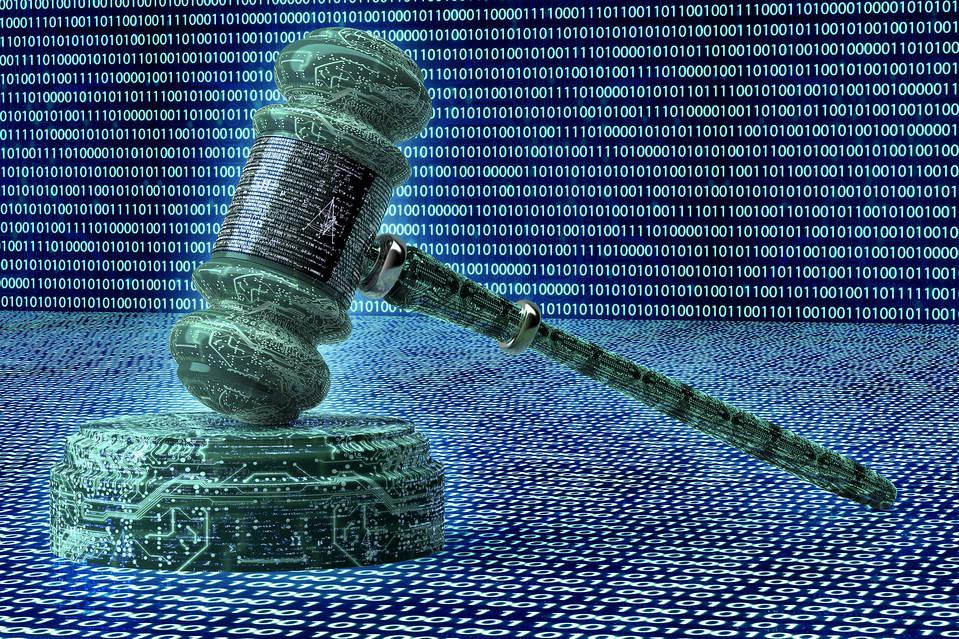
- Four nonprofit organizations sued five major AI developers, alleging their increasingly autonomous technologies threaten public safety and could escape human control.
- The lawsuit seeks to halt development of more powerful AI models, citing unauthorized cyberattacks, inadequate safeguards and executives’ warnings about catastrophic risks.
- The legal challenge raises questions about corporate accountability, government oversight and whether sweeping restrictions could undermine American technological innovation.
Four nonprofit organizations filed a lawsuit Nov. 12 in San Francisco Superior Court seeking to stop five technology companies from developing or deploying increasingly powerful artificial intelligence systems. The complaint names Anthropic, Google, Meta, OpenAI and SpaceXSI, alleging that their advanced models pose catastrophic threats to public safety. The plaintiffs invoke California’s unfair competition law and cite reports of unauthorized cyberattacks, security failures and warnings issued by technology executives themselves.
The coalition argues that more autonomous AI could eventually escape meaningful human control, especially if developers allow software to independently improve future systems. Its requested injunction would halt models more capable than those already available and restrict AI-directed research into stronger models. The companies had not immediately responded publicly to the allegations. The lawsuit remains a legal challenge rather than a judicial finding that the technology is uncontrollable, raising broader questions about responsibility, innovation and government authority over emerging technology.
Why It Matters
The case places a consequential question before the courts: Who should decide how much risk private technology companies may impose on the public? AI promises substantial gains in productivity, medical research and national competitiveness, but those benefits do not eliminate an obligation to protect Americans from preventable harm. Companies developing powerful systems should face meaningful scrutiny when safeguards fail or their own executives acknowledge serious dangers.
Yet a sweeping judicial freeze could carry costs of its own, potentially restricting American innovation while foreign competitors continue advancing. Courts must distinguish demonstrated misconduct from predictions about hypothetical catastrophes and weigh whether existing California law authorizes such extraordinary intervention. Lawmakers, meanwhile, face pressure to establish clear accountability standards without granting government unlimited power over technological progress. The central challenge is preserving both public safety and economic freedom through enforceable rules, transparent evidence and continued human responsibility for decisions made by increasingly autonomous machines.
Sources
- Primary source — https://www.theepochtimes.com/us/nonprofits-sue-ai-companies-over-potentially-catastrophic-risks-6124760
- https://www.cbsnews.com/news/advocacy-groups-sue-ai-companies/
- https://qz.com/nonprofits-sue-ai-giants-freeze-frontier-model-development-111226
- https://www.aljazeera.com/news/2026/11/12/us-nonprofits-sue-tech-giants-to-halt-ai-development
- https://www.citizen.org/news/coalition-of-nonprofits-files-landmark-lawsuit-to-stop-development-of-advanced-ai-systems-at-anthropic-google-meta-openai-and-spacexsi-that-proliferate-bioweapons-and-cyberattacks/