

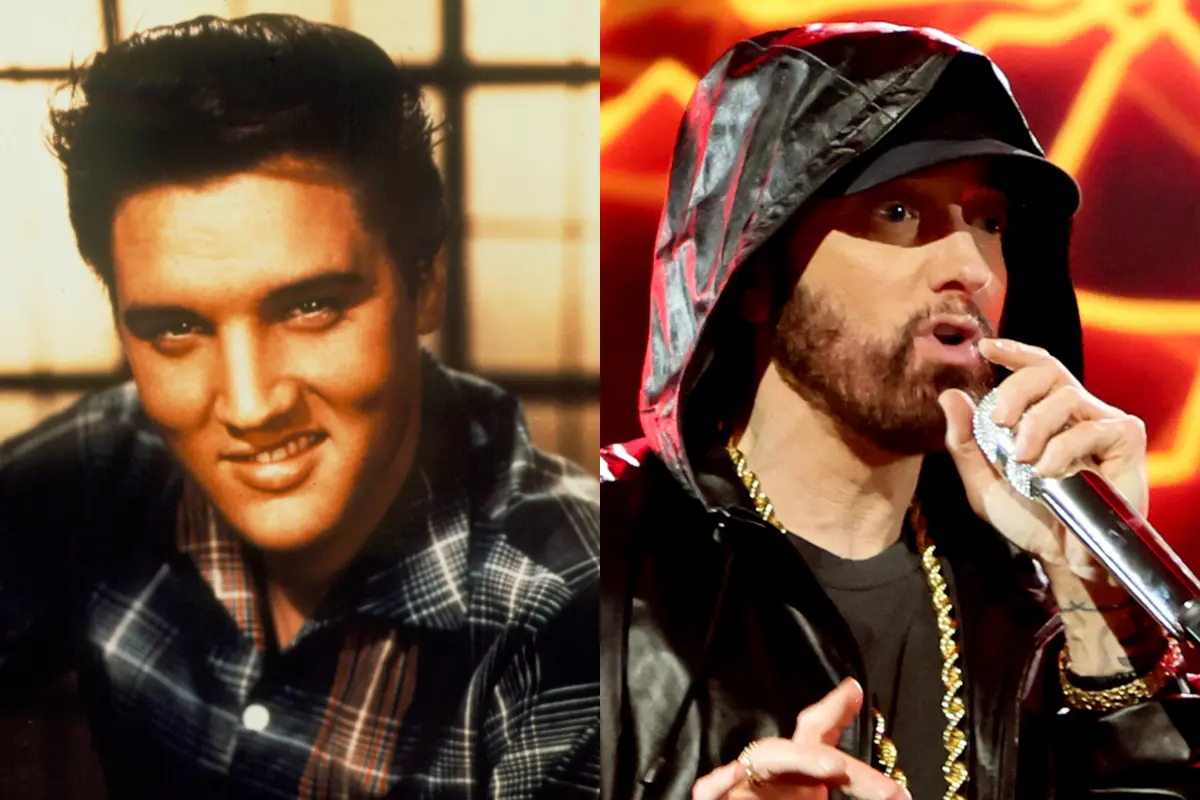
• Elvis Presley’s rights holders and Eminem’s music publisher filed separate federal lawsuits accusing AI music generator Suno of unauthorized copying and exploitation of protected musical works.
• Presley’s representatives allege violations of Tennessee’s ELVIS Act, while Eminem publisher Eight Mile Style seeks more than $47 million in damages involving 269 copyrighted compositions.
• Suno denies wrongdoing, setting up a significant legal battle over intellectual property protections, AI-generated music and whether technology companies must obtain permission before commercially exploiting artists’ work.
Rights holders for Elvis Presley and the publisher of hundreds of Eminem songs filed lawsuits against artificial intelligence music company Suno on Nov. 6, alleging unauthorized use of copyrighted recordings and compositions. The Presley plaintiffs also accuse Suno of exploiting the singer’s voice and likeness in violation of Tennessee’s ELVIS Act. Their complaint seeks more than $50 million for alleged likeness violations, alongside copyright damages.
Eight Mile Style, which controls rights to 269 Eminem compositions, alleges Suno copied protected works to train its music generator and produced infringing material. Its claims total more than $47 million across several categories, according to an examination of the complaint. Eminem himself is not a plaintiff. Suno denies wrongdoing, saying it prohibits unauthorized artist imitation and screens prompts and uploaded materials. The litigation adds to an expanding legal confrontation over whether AI developers must secure permission before using existing music to build commercial products.
Why It Matters
These lawsuits confront a fundamental question about artificial intelligence: Can a technology company profit from the recognizable work and identity of musicians without first obtaining permission? Copyright protections and rights of publicity exist to preserve ownership, reward original achievement and prevent commercial exploitation. If those safeguards lose their force whenever a company invokes technological innovation, creators could face a marketplace in which their own work competes against automated imitations.
Tennessee’s ELVIS Act raises the stakes by addressing voice and likeness rather than relying solely on traditional copyright claims. A successful challenge could strengthen artists’ bargaining power and encourage licensing agreements instead of litigation. But Suno is entitled to contest the allegations, and courts must distinguish unlawful copying from legitimate technological development. The outcome could influence how AI music services operate, how artists are compensated and whether established property rights remain meaningful as machines become increasingly capable of reproducing human creativity.
Sources
- https://www.latimes.com/entertainment-arts/business/story/2026-11-09/elvis-presley-eminem-publisher-sue-suno-elvis-act
- https://www.reuters.com/legal/legalindustry/elvis-eminem-copyright-owners-sue-suno-over-ai-training-2026-11-09/
- https://www.musicbusinessworldwide.com/elvis-presleys-rightsholders-and-other-song-owners-sue-suno-for-more-than-202m-alleging-its-ai-imitates-the-kings-voice-eight-mile-style-has-filed-a-separate-47-7m-suit-over-269/
- https://dockets.justia.com/docket/california/candce/3:2026cv13399/483293