

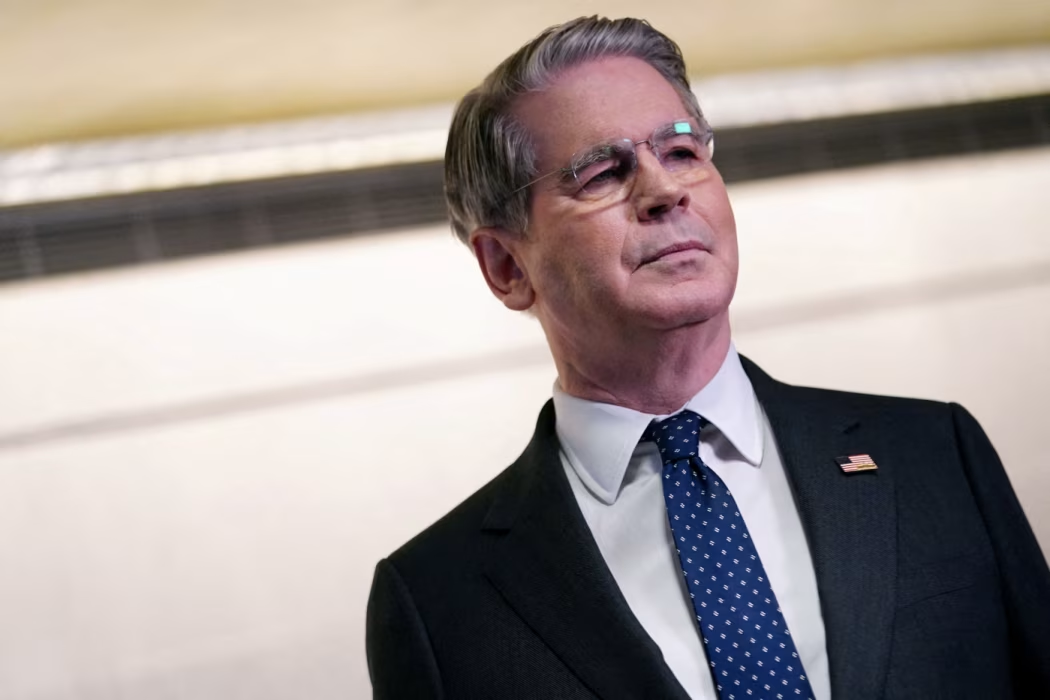
• Treasury Secretary Scott Bessent called for Nvidia to appoint an outside CEO following Jensen Huang‘s resignation, citing serious concerns about corporate leadership, accountability and compliance with U.S. export restrictions.
• Bessent demanded answers within 10 days about whether Nvidia knowingly facilitated prohibited semiconductor sales to China, potentially inflating revenue through transactions involving Singapore-based intermediaries.
• Nvidia faces heightened scrutiny over national security, corporate governance and investor confidence as investigators examine suspected Chinese intelligence connections and possible violations of American technology export controls.
Treasury Secretary Scott Bessent urged Nvidia’s board Sunday to appoint an outside chief executive following Jensen Huang’s resignation amid revelations of extramarital affairs and allegations involving a suspected Chinese intelligence operative. Speaking on Fox News, Bessent questioned whether Nvidia’s leadership knowingly permitted advanced artificial intelligence chips to reach China through intermediaries, potentially circumventing American export restrictions. He demanded answers from company directors and outside counsel within 10 days, emphasizing concerns about corporate accountability and the integrity of Nvidia’s reported financial performance.
The controversy centers partly on Singapore-based Megaspeed, which faces allegations involving the diversion of restricted American semiconductors to Chinese customers. Megaspeed denies wrongdoing, while authorities continue examining the transactions and related intelligence concerns. Nvidia’s chief financial officer, Colette Kress, currently serves as interim CEO, with Arm Holdings executive Rene Haas reportedly under consideration. The developing scandal threatens investor confidence while raising broader questions about Washington’s enforcement of technology safeguards.
Why It Matters
Nvidia’s leadership crisis exposes the intersection of American technological dominance, national security and corporate responsibility. Advanced artificial intelligence processors represent strategic assets in Washington’s competition with Beijing. Allegations that restricted chips reached Chinese interests through intermediaries raise questions about whether existing export controls are adequately enforced and whether corporate executives prioritized revenue over compliance with federal restrictions.
Bessent’s demand for independent leadership underscores the importance of accountability within companies whose products carry significant national security implications. His criticism of enforcement failures also places responsibility on federal regulators to demonstrate that existing restrictions have meaningful consequences. For investors, uncertainty surrounding Nvidia’s financial disclosures, leadership succession and regulatory exposure presents additional risks. For policymakers, the controversy reinforces a fundamental question: Can the United States preserve its technological advantage without stronger oversight of companies supplying strategically sensitive equipment? Resolving that question requires credible investigations, transparent corporate governance and consistent enforcement rather than unsubstantiated assumptions of wrongdoing.
Sources
• https://www.wsj.com/tech/ai/bessent-urges-nvidia-to-pick-outsider-as-next-ceo-f9d21a83
• https://www.axios.com/2026/11/15/bessent-nvidia-earnings-china-chip-sales-ceo
• https://live.euronext.com/en/financial-news/bessent-says-nvidia-must-go-outside-company-find-new-ceo
• https://apnews.com/article/e9e2e18169dce0b30a34f39715bf35ed