

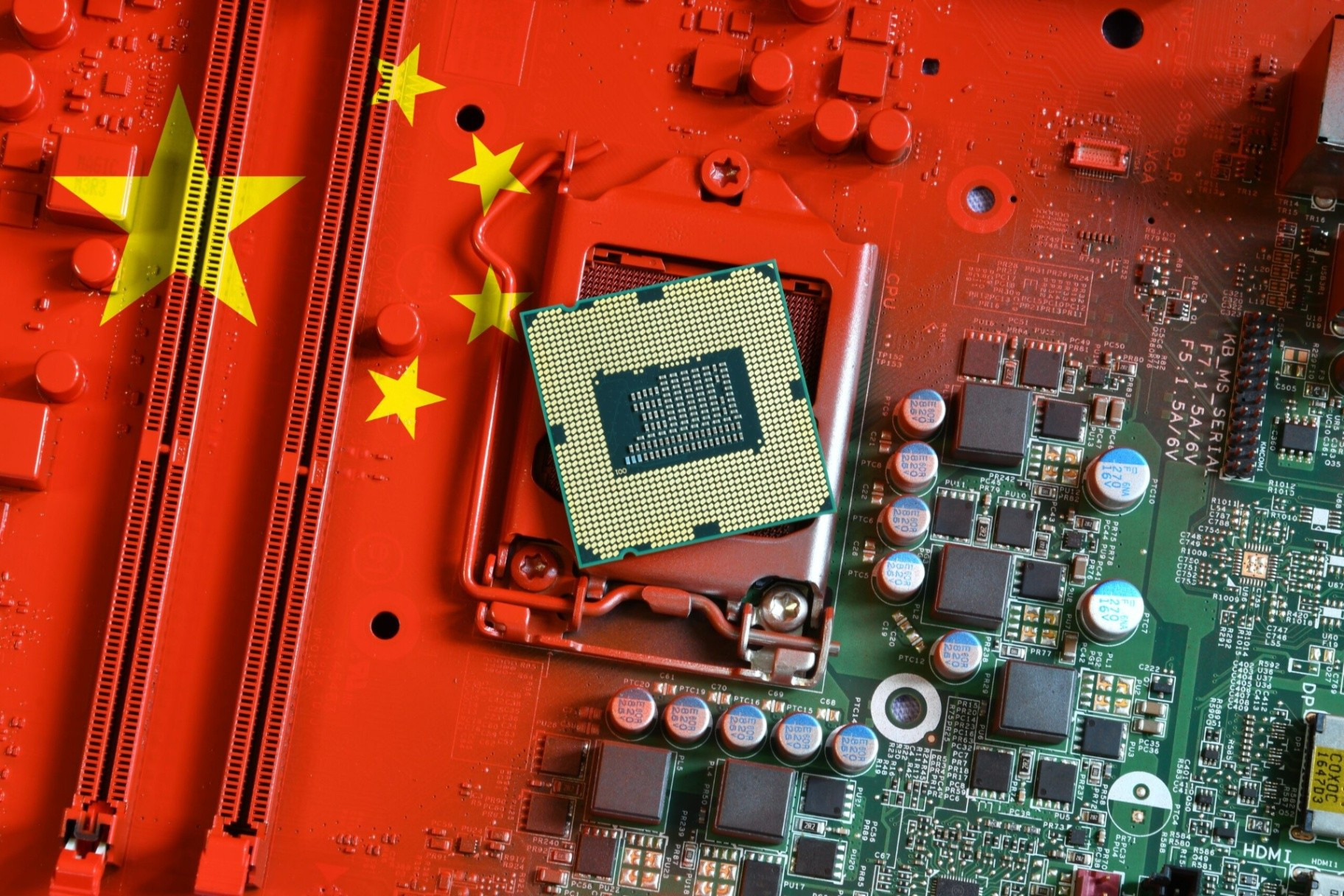
• The Trump administration is closing a regulatory loophole allowing Chinese companies to remotely access advanced American AI chips through overseas data centers.
• New export licensing requirements target Malaysia, Singapore, Indonesia, Thailand and Brazil, where authorities have identified increased risks of restricted technology reaching China.
• The restrictions aim to protect American technological superiority and national security while preserving legitimate international commerce and strengthening oversight of sensitive computing infrastructure.
Summary
The Trump administration has introduced new restrictions designed to prevent Chinese companies from remotely using advanced American artificial intelligence chips housed in overseas data centers. The Commerce Department’s interim rule targets arrangements that allow foreign customers to rent computing power without physically importing restricted semiconductors. It also imposes licensing requirements on advanced chip shipments to Malaysia, Singapore, Indonesia, Thailand and Brazil, countries identified as presenting elevated diversion risks.
The regulations extend scrutiny to powerful computing networks serving companies in China and other restricted nations, requiring attention to customers and their ownership. Existing operators covered by the measure face a licensing deadline, while qualifying exports involving U.S.-headquartered companies receive exceptions. The crackdown follows heightened scrutiny of overseas chip access and suspected efforts to bypass American export controls. It arrives as President Donald Trump prepares to meet Chinese President Xi Jinping, balancing national security concerns against American technology companies’ international business interests.
Why It Matters
The central issue is whether Washington can protect America’s technological advantage when restricted foreign companies can obtain computing power without ever possessing the chips themselves. Export bans lose much of their effectiveness if intermediaries can provide equivalent access from data centers beyond China’s borders. Closing that gap strengthens the principle that American innovations should not inadvertently bolster the military or intelligence capabilities of strategic adversaries.
Effective enforcement, however, will depend on identifying customers, tracing ownership and coordinating with governments whose economies benefit from data center investment. Excessively broad restrictions could also penalize legitimate foreign buyers and weaken American companies against overseas competitors. The administration’s challenge is to distinguish trusted commerce from arrangements that undermine national security. Clear licensing standards and credible oversight would help preserve American leadership while keeping markets open. The policy’s success should ultimately be judged by whether it actually blocks unauthorized access, rather than merely adding paperwork.