

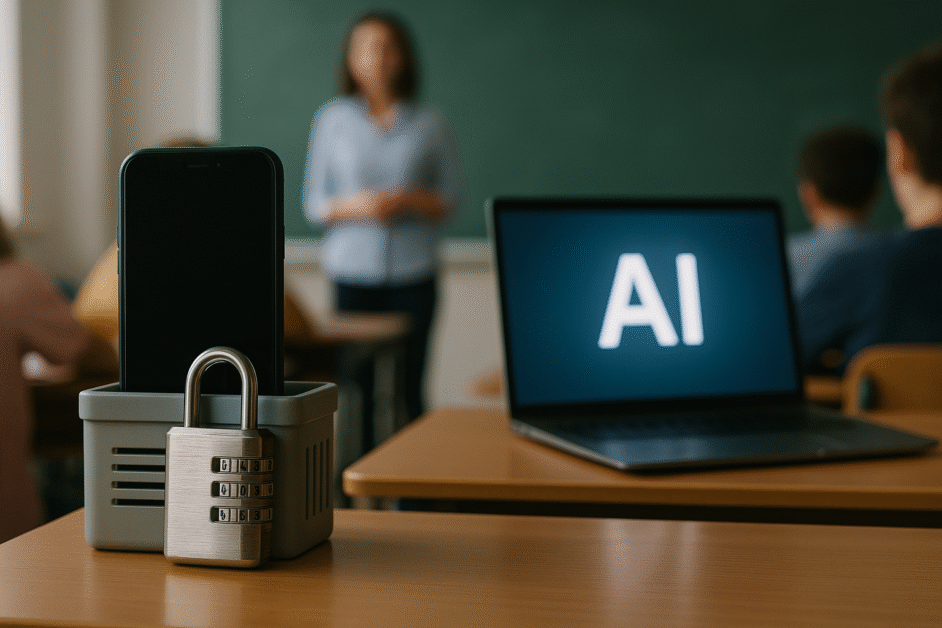
• Artificial intelligence is becoming commonplace, but understanding AI terminology, capabilities and limitations remains a growing challenge for everyday users.
• Research indicates that people frequently overestimate their AI knowledge, reinforcing the need for objective testing rather than self-assessed proficiency.
• AI literacy increasingly requires recognizing inaccurate information, understanding technological limitations and exercising independent judgment when using AI-generated content.
Artificial intelligence is transforming how Americans work, communicate and obtain information, but familiarity with the technology does not necessarily translate into understanding it. An AI literacy quiz challenges readers to assess their knowledge of increasingly common terminology beyond familiar concepts such as chatbots and hallucinations. The exercise highlights a widening distinction between using artificial intelligence and understanding its capabilities, limitations and potential consequences.
Independent research reinforces that distinction. A validated 51-question assessment found little relationship between participants’ confidence in their AI knowledge and their demonstrated proficiency. Other researchers have developed performance-based evaluations showing that measurable AI literacy can better predict practical competence than self-reported experience. Meanwhile, international education initiatives are preparing assessments that examine whether students can critically evaluate AI-generated information. Together, these developments suggest that technological literacy increasingly demands more than mastering software. Americans must understand the systems influencing their decisions, recognize unreliable outputs and retain the ability to distinguish credible information from convincing misinformation.
Why It Matters
As artificial intelligence becomes embedded in workplaces, classrooms, journalism and government, Americans risk surrendering independent judgment to systems they only partially understand. AI-generated responses can sound authoritative while containing factual errors, misleading conclusions or fabricated information. Without sufficient technological literacy, citizens may mistake automated output for verified knowledge, creating opportunities for manipulation, institutional mistakes and diminished accountability.
The implications extend beyond individual convenience. Employers increasingly depend on AI-assisted productivity, educators face questions about students’ independent reasoning, and public institutions must determine where automated recommendations end and human responsibility begins. Establishing measurable AI competency can help distinguish genuine expertise from technological enthusiasm while exposing weaknesses that require additional education. Ultimately, a society committed to individual liberty and informed citizenship cannot afford technological dependency without technological understanding. Artificial intelligence should strengthen human capability, not replace the critical thinking, personal responsibility and independent scrutiny essential to a free society.
Sources
• https://www.wsj.com/tech/ai/ai-literacy-iq-test-3f13c95e
• https://www.oecd.org/en/about/projects/pisa-2029-media-and-artificial-intelligence-literacy.html