

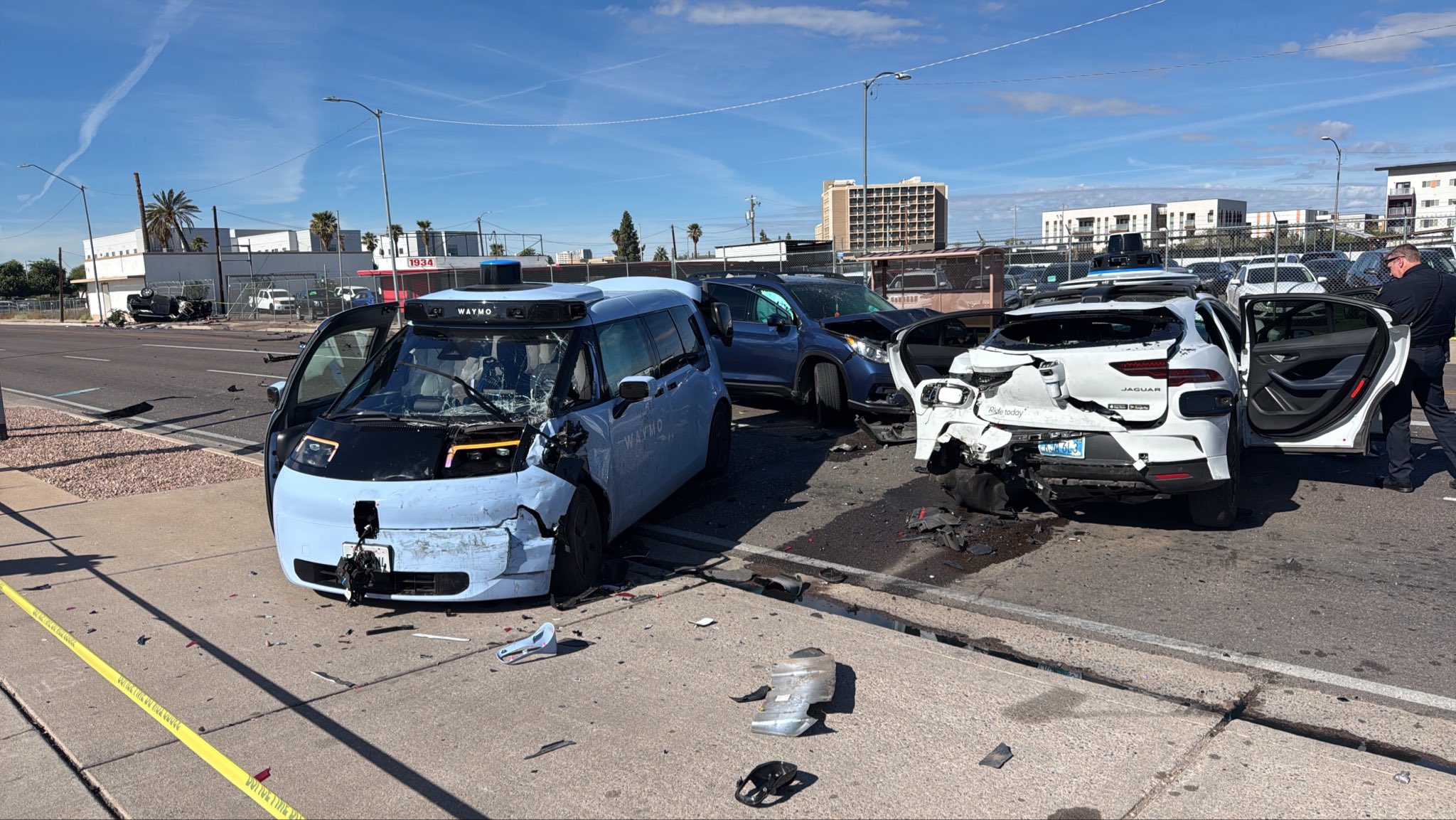
• Waymo has suspended autonomous vehicle operations on freeways nationwide after California regulators declared its driverless taxis an imminent public safety hazard.
• Multiple safety incidents involved Waymo vehicles entering construction zones and disregarding police traffic controls, despite previous software updates intended to prevent such problems.
• California requires demonstrated safety improvements before freeway operations resume, while Waymo continues providing more than 500,000 weekly rides on surface streets.
Waymo has suspended driverless taxi travel on freeways nationwide after California regulators barred its autonomous vehicles from state freeways over safety concerns. The California Department of Motor Vehicles imposed restrictions effective Nov. 11, citing incidents involving construction zones and law enforcement traffic controls. In one case, three Waymo vehicles entered a construction closure on U.S. 101 near Burlingame. In another, a robotaxi attempted to pass California Highway Patrol vehicles slowing traffic on Interstate 280.
The restrictions follow problems that prompted Waymo to pause freeway driving in May and update thousands of vehicles through a software recall. Freeway service resumed in July, but regulators say the latest incidents demonstrate unresolved risks. Waymo reports no injuries or collisions from the cited construction encounters and says it will evaluate performance before resuming freeway operations. Its driverless ride service continues on surface streets, where the company says it provides more than 500,000 rides weekly.
Why It Matters
The suspension exposes a fundamental challenge for autonomous transportation: software that performs well under ordinary conditions must also respond reliably when roads become unpredictable. Construction closures, emergency vehicles and police-directed traffic changes are not rare exceptions. They are routine hazards, and mistakes can threaten workers, passengers and surrounding motorists before anyone can intervene.
Waymo’s willingness to halt freeway service nationwide is a prudent response, but the recurrence of problems after earlier software corrections raises questions about testing and oversight. Regulators should require independently verifiable evidence that identified deficiencies have been corrected before restoring access to higher-speed roads. Companies developing driverless technology deserve room to innovate, compete and demonstrate measurable safety improvements without unnecessary restrictions. Yet technological ambition cannot substitute for accountability. Public confidence depends on transparent reporting, enforceable standards and intervention when warning signs emerge. The burden remains on operators to prove that commercial expansion will not compromise public safety.
Sources
• https://www.aol.com/articles/waymo-pulls-driverless-cars-us-025930000.html