

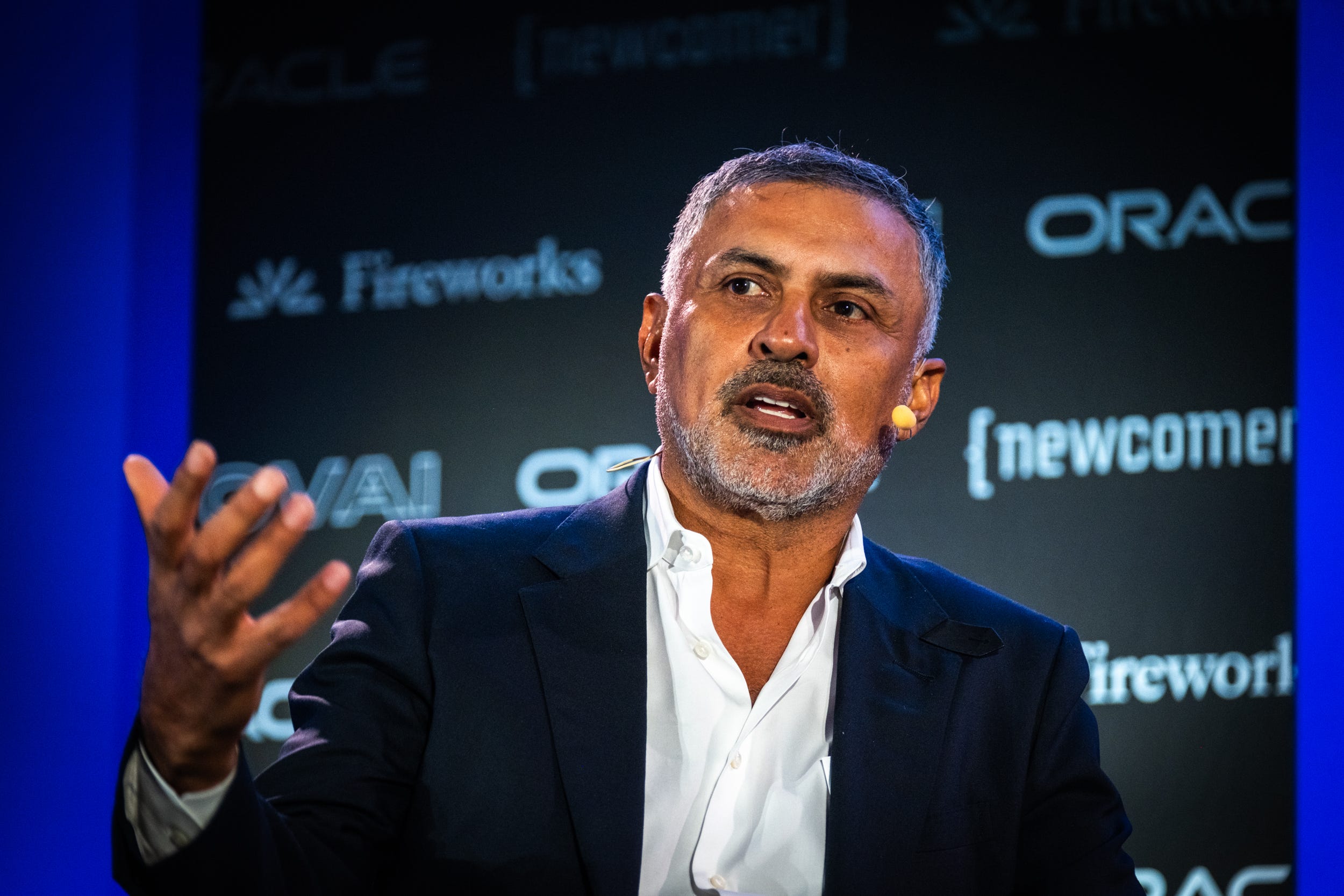
– Palo Alto Networks CEO Nikesh Arora argues that artificial intelligence executives are fueling an excessively negative public narrative about AI risks, potentially undermining confidence in the technology.
– Arora disputes calls to slow AI development, warning that coordinated restrictions are unrealistic and could distract from practical cybersecurity protections and technological innovation.
– Growing concerns about AI-driven cyberattacks, job displacement and autonomous systems have intensified demands for regulation, raising questions about industry accountability and government intervention.
Palo Alto Networks CEO Nikesh Arora is challenging the increasingly negative narrative surrounding artificial intelligence, arguing that technology industry leaders themselves are contributing to public anxiety about AI’s future. Arora has criticized predictions of catastrophic consequences and questioned proposals to deliberately slow AI development. Although acknowledging legitimate cybersecurity vulnerabilities, he maintains that businesses should concentrate on managing identifiable threats rather than promoting speculative worst-case scenarios. His comments come as prominent AI executives warn about increasingly capable systems potentially escaping human control.
Arora’s position reflects a growing division between cybersecurity professionals advocating practical safeguards and AI developers seeking broader safety measures and regulatory oversight. He has suggested that calls for slowing development could also serve corporate interests by encouraging favorable regulatory treatment. Meanwhile, AI-powered hacking capabilities are creating genuine security challenges, requiring stronger defenses and responsible deployment. The disagreement highlights an increasingly consequential debate over technological innovation, corporate accountability, national competitiveness and government’s appropriate role in regulating artificial intelligence.
Why It Matters
The escalating rhetoric surrounding artificial intelligence threatens to transform legitimate cybersecurity concerns into a justification for expansive government intervention and potentially burdensome regulation. When technology executives publicly emphasize catastrophic scenarios, policymakers may respond with restrictions that favor established corporations while creating expensive barriers for smaller competitors and independent innovators. Such outcomes could concentrate technological power among the very companies demanding greater oversight.
Arora’s objections raise important questions about whether AI industry leaders are accurately communicating risks or inadvertently encouraging public distrust. Artificial intelligence presents genuine dangers, including sophisticated cyberattacks, automated fraud and vulnerabilities affecting critical infrastructure. However, addressing those threats requires enforceable security standards, transparent corporate practices and accountability for demonstrable harm rather than sweeping restrictions based on uncertain predictions. Maintaining American technological leadership also demands a regulatory environment that encourages competition and innovation. Policymakers must distinguish credible security threats from speculative warnings before imposing restrictions with potentially lasting economic consequences.
Sources
• https://www.axios.com/2026/09/29/cybersecurity-ai-doomsday-fears
• https://www.thestreet.com/technology/palo-alto-ceo-ai-slowdown-unrealistic
• https://fortune.com/2026/09/30/nikesh-arora-palo-alto-networks-ceo-ai-cybersecurity-defense/
• https://finance.yahoo.com/technology/ai/articles/ai-slowdown-push-unrealistic-says-233016758.html