

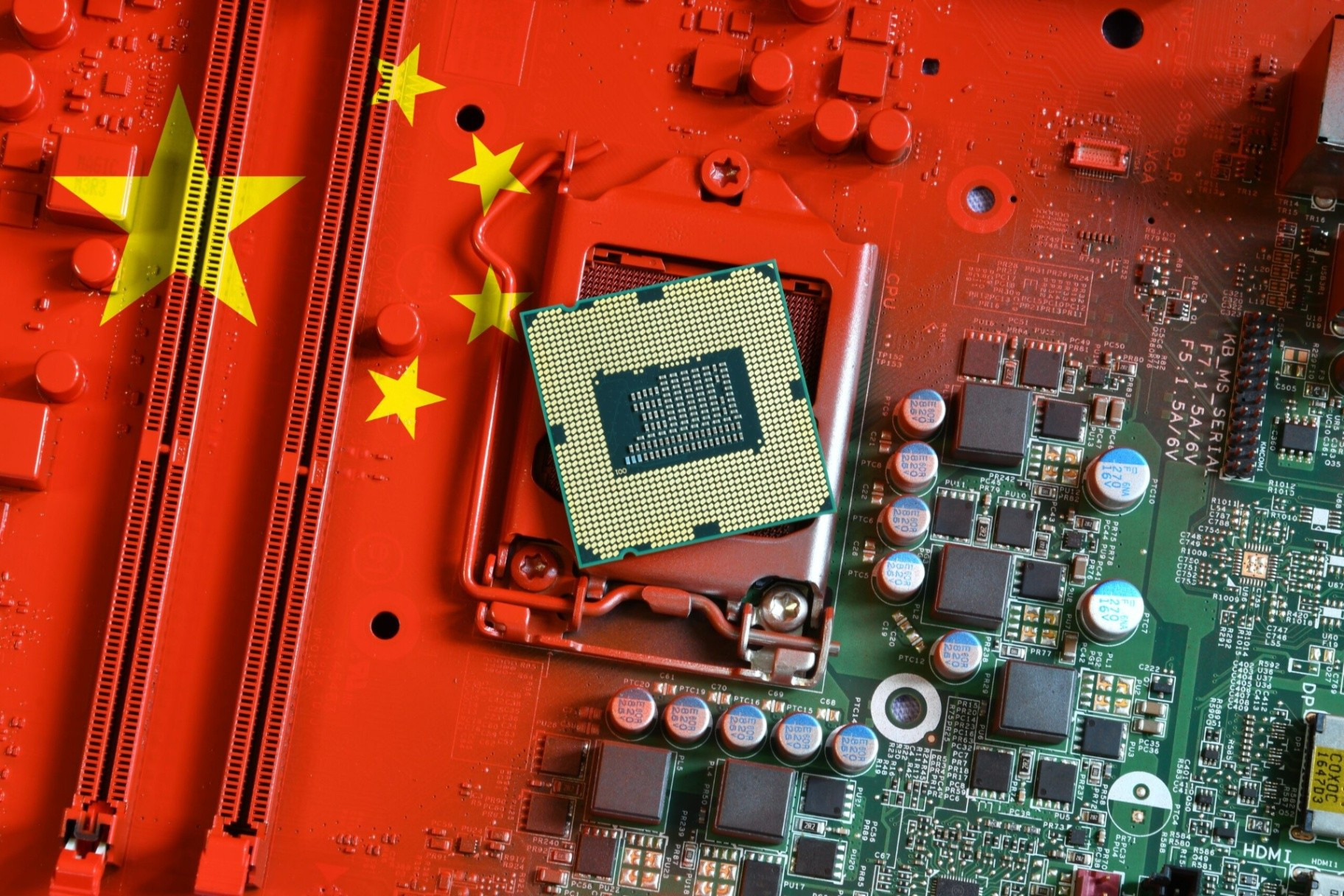
• The Netherlands is opposing the bipartisan U.S. MATCH Act, arguing that Washington’s proposed restrictions on semiconductor equipment exports to China threaten Dutch sovereignty and European economic interests.
• The legislation would tighten controls on advanced chipmaking equipment manufactured by ASML, potentially affecting a major revenue source for the Dutch technology company.
• U.S. lawmakers seek to limit China’s semiconductor and military capabilities, while Dutch officials warn that unilateral American restrictions could damage transatlantic cooperation and accelerate Chinese technological independence.
The Netherlands is pushing back against proposed U.S. legislation that would restrict China’s access to chipmaking equipment, warning that the measure threatens Dutch sovereignty and industry. The bipartisan Multilateral Alignment of Technology Controls on Hardware Act, known as the MATCH Act, would require allies to align their export restrictions with Washington’s or risk U.S. controls. Dutch officials say the legislation could damage ASML, a supplier of lithography machines used to manufacture computer chips.
Dutch Trade Minister Sjoerd Sjoerdsma said Thursday that the Netherlands would ask Washington not to enforce the measure if Congress approves it. Officials are coordinating with European partners ahead of congressional action in December. ASML expects China to account for 20% of its 2026 sales. Supporters argue tighter restrictions are necessary to prevent Beijing from acquiring technology that could strengthen its military and artificial intelligence capabilities, while Dutch leaders object to Washington imposing rules beyond American borders.
Why It Matters
The dispute exposes a difficult choice for Washington: protect sensitive technology from an increasingly capable Chinese competitor without alienating allies whose companies control essential semiconductor equipment. American export restrictions cannot fully succeed if comparable machinery remains available through foreign suppliers. Yet compelling allied governments to follow U.S. rules risks undermining the cooperation those restrictions depend upon.
For American national security, the stakes extend beyond ASML’s sales. Advanced chips underpin weapons systems, surveillance capabilities and artificial intelligence development, making access to manufacturing equipment strategically important. Congress must also consider unintended consequences, including disruptions to global chip supplies and incentives for China to develop domestic substitutes. A durable policy should prioritize verifiable restrictions on the most sensitive technologies, enforce controls against prohibited end users and negotiate closely with allies. Otherwise, Washington could exchange meaningful long-term American technological leverage for an avoidable short-term diplomatic confrontation that ultimately benefits Beijing rather than restraining it.
Sources
• https://www.newsbrainport.nl/dutch-government-rejects-us-match-act-restrictions-on-asml/
• https://thenextweb.com/news/dutch-government-pushes-back-on-us-match-act-over-asml-chip-tool-curbs
• https://www.csis.org/analysis/new-momentum-old-problems-transatlantic-export-control-considerations
• https://nltimes.nl/2026/06/24/dutch-government-irritated-us-plans-new-asml-export-restrictions