

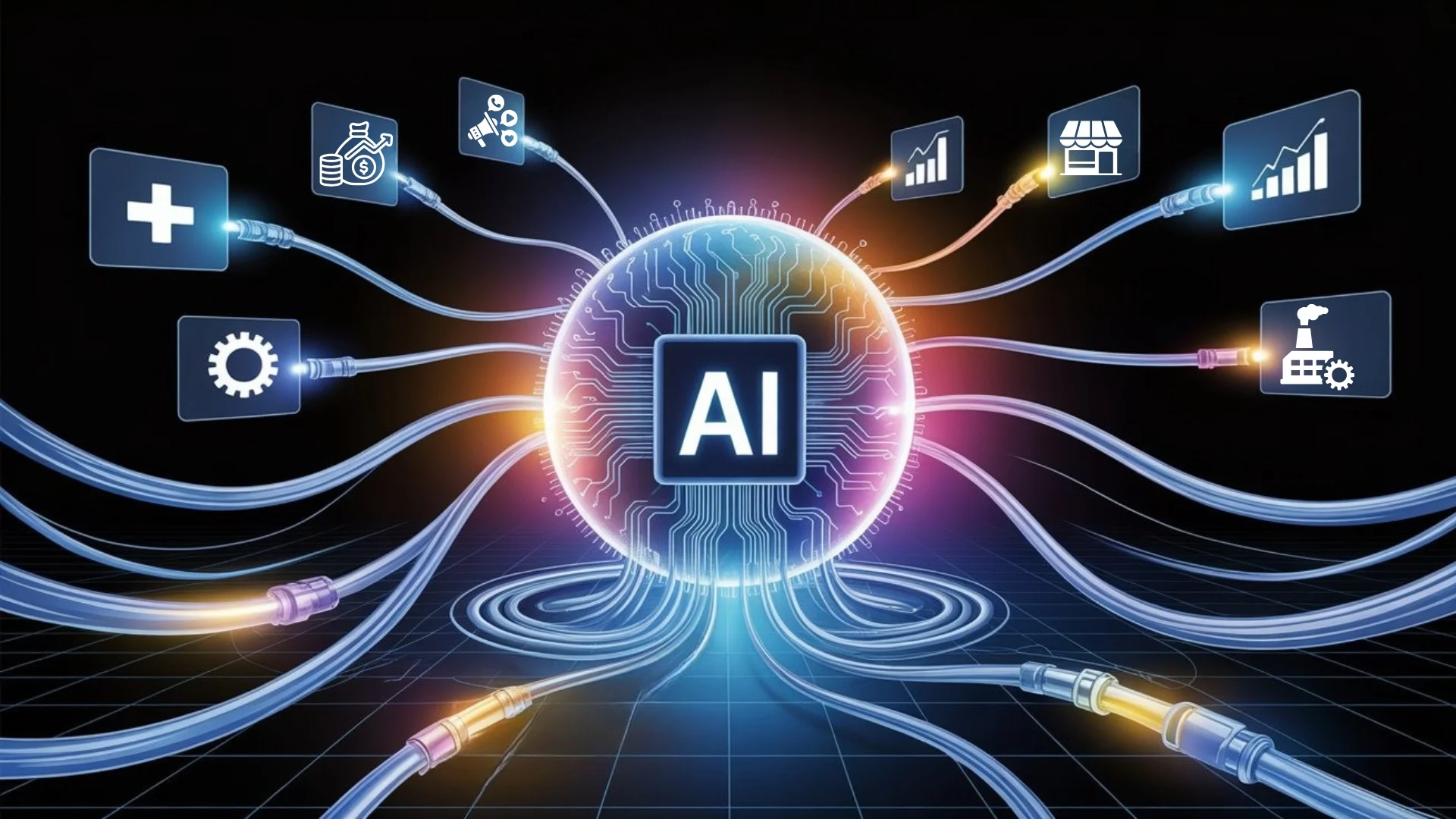
• A series of major technology failures has disrupted U.S. aviation, banking, cloud services and government operations, exposing critical infrastructure vulnerabilities.
• Experts warn that rapid artificial intelligence integration, aging technology and increasingly complex software updates could contribute to recurring outages over the coming months.
• Investigations have identified technical failures rather than coordinated cyberattacks, raising concerns about system reliability, inadequate safeguards and America’s dependence on interconnected digital infrastructure.
A wave of technology failures has disrupted airline travel, banking, email and government systems, raising concerns that widespread outages could continue for months. During November, a Federal Aviation Administration network failure halted departing flights nationwide, Microsoft 365 suffered a disruption, Amazon Web Services experienced regional problems, and JPMorgan Chase reported payment delays. Separate failures also affected United Airlines, Apple services and a classified National Security Agency network. The incidents exposed how heavily essential services depend on complex, interconnected digital infrastructure.
Cybersecurity specialists warn that accelerated software changes, aging systems and the adoption of artificial intelligence could increase operational risks. AI tools may help identify security vulnerabilities, but repairing those weaknesses can introduce complications. Investigations have identified software defects, network instability and maintenance problems in several incidents. Officials have reported no evidence of a coordinated cyberattack linking the outages, and researchers caution that AI has not been established as their cause.
Why It Matters
The disruptions expose a national vulnerability that extends well beyond inconvenienced consumers. Americans depend on centralized digital networks to move money, operate businesses, receive medical services and travel safely. When a single malfunction can interrupt operations across multiple industries, technological efficiency becomes a liability unless it is matched by dependable safeguards and accountability.
Government agencies and private companies should prioritize resilient infrastructure, independent backup systems, rigorous testing and transparent explanations when failures occur. Incorporating artificial intelligence without adequate oversight, technical personnel or tested recovery procedures could deepen existing weaknesses. Cost cutting that eliminates institutional knowledge may create risks far greater than the savings advertised to shareholders or taxpayers.
Washington has a responsibility to scrutinize vulnerabilities affecting transportation, finance and national security without treating speculation as established fact. The immediate priority is practical preparedness: identifying single points of failure, preserving human expertise and ensuring essential services function when technology does not.
Sources
• https://nypost.com/2026/11/22/us-news/why-tech-outages-could-be-the-new-normal-for-months/
• https://www.techrepublic.com/article/news-november-2026-tech-outages-timeline/
• https://controlplane.com/blog/post/november-2026-outage-wave-explained/