

Close Menu

    Subscribe to Updates

    Get the latest creative news from FooBar about art, design and business.

    What's Hot

    Malicious Chrome Extensions Compromise 900,000 Users’ AI Chats and Browsing Data

    January 12, 2026

    Microsoft Warns of a Surge in Phishing Attacks Exploiting Misconfigured Email Systems

    January 12, 2026

    SpaceX Postpones 2026 Mars Mission Citing Strategic Distraction

    January 12, 2026
    Facebook X (Twitter) Instagram
    • Tech
    • AI News
    Facebook X (Twitter) Instagram Pinterest VKontakte
    TallwireTallwire
    • Tech

      Malicious Chrome Extensions Compromise 900,000 Users’ AI Chats and Browsing Data

      January 12, 2026

      Wearable Health Tech Could Create Over 1 Million Tons of E-Waste by 2050

      January 12, 2026

      Viral Reddit Food Delivery Fraud Claim Debunked as AI Hoax

      January 12, 2026

      Activist Erases Three White Supremacist Websites onstage at German Cybersecurity Conference

      January 12, 2026

      AI Adoption Leaders Pull Ahead, Leaving Others Behind

      January 11, 2026
    • AI News
    TallwireTallwire
    Home»Tech»Africa’s Solar Surge: Record-High Imports of Chinese Panels Electrify the Continent
    Tech

    Africa’s Solar Surge: Record-High Imports of Chinese Panels Electrify the Continent

    Updated:December 25, 20253 Mins Read
    Facebook Twitter Pinterest LinkedIn Tumblr Email
    Africa’s Solar Surge: Record-High Imports of Chinese Panels Electrify the Continent
    Africa’s Solar Surge: Record-High Imports of Chinese Panels Electrify the Continent
    Share
    Facebook Twitter LinkedIn Pinterest Email

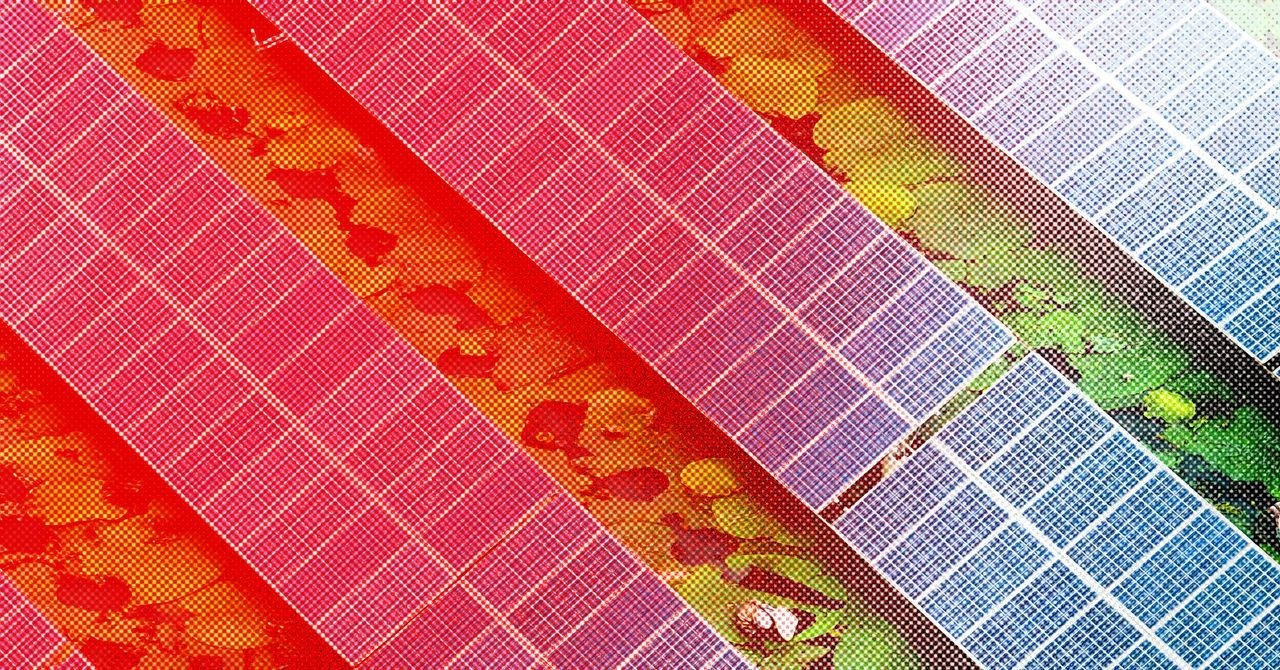
    African nations are buying Chinese solar panels in record numbers as a smart, cost-effective way to meet soaring energy needs and reduce reliance on coal and gas. In May 2025 alone, African countries imported a combined 1.57 GW—around three-quarters the capacity of the Hoover Dam—thanks largely to Chinese-made panels. A standout case: Algeria imported 0.76 GW in the first half of the year, a staggering 6,300% increase from the year before. This wave of imports comes primarily from smaller, less affluent countries rather than traditional heavyweights like South Africa, highlighting a continent-wide pivot to cheaper renewables. China, which now produces over 80% of the world’s solar panels, continues to influence global energy strategies with its dominance in manufacturing.

    Sources: Wired, Reuters, Financial Times

    Key Takeaways

    – Smaller African nations—not just big ones—are driving the surge, doubling imports and, in some cases, replacing their entire electricity generation capacity with solar panels.

    – China’s manufacturing edge, supported by subsidies, scale, and efficiency, allows it to produce over 80% of global solar modules, offering low-cost solutions to bolt-on renewables.

    – Despite financing and infrastructure hurdles, solar’s low cost and adaptability are reshaping energy planning across Africa, especially where access to reliable electricity has been limited.

    In-Depth

    Africa is witnessing a quiet but significant energy shift, and it’s powered—literally—by affordable Chinese solar panels. In May 2025, the continent imported a record 1.57 GW of panels, nearly matching the capacity of the Hoover Dam. What’s remarkable is that this growth isn’t concentrated in established energy giants, but in smaller, less wealthy nations. Countries like Algeria have seen imports jump by 6,300% year-over-year, while others are leveraging solar for nearly their entire current power needs. This isn’t about flashy headlines; it’s about practical solutions—cheap, scalable, and swiftly deployable.

    China’s dominance in solar manufacturing, with over 80% of global supply, isn’t accidental—it’s the outcome of sustained investment, technology improvements, and economies of scale. For African governments facing grid instability and budget constraints, Chinese solar panels offer a viable alternative to fossil fuels without waiting years for local industry to catch up.

    Critics raise valid concerns about infrastructure, long-term financing, and economic dependence, and those are worth considering. Still, the benefits are tangible now: more access to light, more reliable energy for schools and clinics, and fewer dollars spent importing coal or oil. If African nations pair cheap solar imports with smart grid planning and future investment in local capacity, the continent could harness its abundant sunshine more sustainably and independently. It’s an opportunity worth seizing.

    Share. Facebook Twitter Pinterest LinkedIn Tumblr Email
    Previous ArticleAfghanistan’s Internet Blackout Ends Amid Confusion Over Cause and Claims of Morality Crackdown
    Next Article AI Agents Surge into Leadership: Businesses Embrace Autonomous Decision-Makers

    Related Posts

    Malicious Chrome Extensions Compromise 900,000 Users’ AI Chats and Browsing Data

    January 12, 2026

    Wearable Health Tech Could Create Over 1 Million Tons of E-Waste by 2050

    January 12, 2026

    Viral Reddit Food Delivery Fraud Claim Debunked as AI Hoax

    January 12, 2026

    Activist Erases Three White Supremacist Websites onstage at German Cybersecurity Conference

    January 12, 2026
    Add A Comment
    Leave A Reply Cancel Reply

    Editors Picks

    Malicious Chrome Extensions Compromise 900,000 Users’ AI Chats and Browsing Data

    January 12, 2026

    Wearable Health Tech Could Create Over 1 Million Tons of E-Waste by 2050

    January 12, 2026

    Viral Reddit Food Delivery Fraud Claim Debunked as AI Hoax

    January 12, 2026

    Activist Erases Three White Supremacist Websites onstage at German Cybersecurity Conference

    January 12, 2026
    Top Reviews
    Tallwire
    Facebook X (Twitter) Instagram Pinterest YouTube
    • Tech
    • AI News
    © 2026 Tallwire. Optimized by ARMOUR Digital Marketing Agency.

    Type above and press Enter to search. Press Esc to cancel.