

Close Menu

    Subscribe to Updates

    Get the latest creative news from FooBar about art, design and business.

    What's Hot

    Memory Market Mayhem: RAM Prices Skyrocket and Could “10x” by 2026, Analysts Warn

    January 14, 2026

    Replit CEO: AI Outputs Often “Generic Slop”, Urges Better Engineering and “Vibe Coding”

    January 14, 2026

    Ralph Wiggum Plugin Emerges as a Trending Autonomous AI Coding Tool in Claude

    January 14, 2026
    Facebook X (Twitter) Instagram
    • Tech
    • AI News
    Facebook X (Twitter) Instagram Pinterest VKontakte
    TallwireTallwire
    • Tech

      Replit CEO: AI Outputs Often “Generic Slop”, Urges Better Engineering and “Vibe Coding”

      January 14, 2026

      Memory Market Mayhem: RAM Prices Skyrocket and Could “10x” by 2026, Analysts Warn

      January 14, 2026

      New Test-Time Training Lets Models Keep Learning Without Costs Exploding

      January 14, 2026

      Ralph Wiggum Plugin Emerges as a Trending Autonomous AI Coding Tool in Claude

      January 14, 2026

      Smart Ring Shake-Up: Oura’s Patent Win Shifts U.S. Market Landscape

      January 13, 2026
    • AI News
    TallwireTallwire
    Home»Tech»India’s AI Copyright Royalty Proposal Draws Global Tech Scrutiny
    Tech

    India’s AI Copyright Royalty Proposal Draws Global Tech Scrutiny

    3 Mins Read
    Facebook Twitter Pinterest LinkedIn Tumblr Email
    India’s AI Copyright Royalty Proposal Draws Global Tech Scrutiny
    India’s AI Copyright Royalty Proposal Draws Global Tech Scrutiny
    Share
    Facebook Twitter LinkedIn Pinterest Email

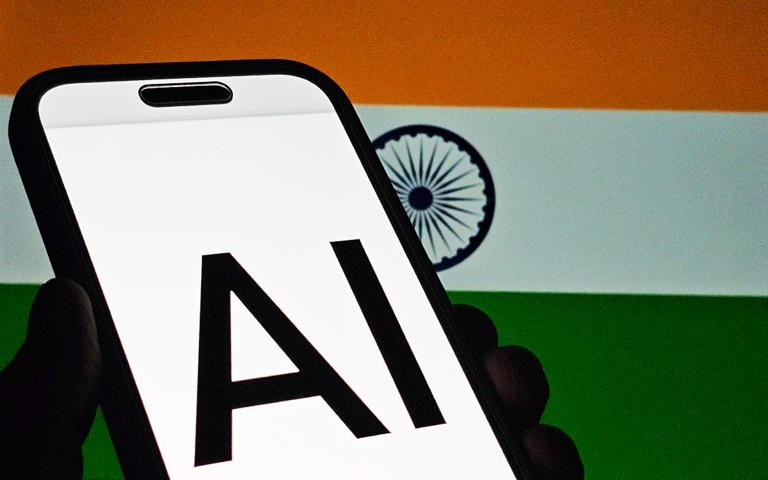
    India’s government has proposed a new regulatory framework that would require major artificial intelligence companies, including OpenAI and Google, to pay royalties for training their AI models on copyrighted material, aiming to balance innovation with creator compensation under a mandatory blanket licensing system that would centralize royalty collection and distribution.

    Sources: The Register, Reuters

    Key Takeaways

    – India’s proposal would institute a mandatory royalty regime requiring AI firms to compensate content creators for using copyrighted works in training data.

    – The framework emphasizes a centralized license and collecting body to streamline payments to creators and avoid legal uncertainty.

    – Tech industry groups have pushed back, warning the proposal could hinder innovation and favor prescriptive regulation over more flexible alternatives.

    In-Depth

    India’s latest policy proposal on how AI models are trained marks one of the most assertive steps by any government to date in the global debate over copyright and artificial intelligence, especially as it affects big tech firms like OpenAI and Google. Under the draft framework published by the Department for Promotion of Industry and Internal Trade, AI companies would be granted access to copyrighted works for training in return for paying royalties into a pooled system. This mandatory blanket licensing model seeks to cut through the legal fog that surrounds use of publicly available material for AI training by guaranteeing that creators get paid upfront rather than waiting for individual lawsuits or negotiations. The idea is to reduce transaction costs for developers while ensuring that authors, artists, musicians, journalists and other rights holders receive a slice of the value their content generates when ingested by algorithms.

    Backers of the plan argue it levels the playing field for smaller creators who currently struggle to negotiate with tech giants and could position India as a leader in balanced AI regulatory frameworks. Supporters also claim it would provide legal clarity and encourage domestic AI innovation without the chilling effects of endless copyright litigation. Critics, however, warn that an enforced royalty system could impose new costs on innovators and may slow development by imposing rigid regulatory burdens. Industry groups have suggested alternatives such as broader legal exemptions for text and data mining that would permit training on lawfully accessed content without per-use fees.

    The proposal comes amid broader global friction over AI and intellectual property rights, including ongoing litigation and legislative efforts in other jurisdictions. India’s public consultation window is open for feedback before any final rules are adopted, and the outcome could have significant implications for how AI is developed and deployed both within the country and internationally.

    Share. Facebook Twitter Pinterest LinkedIn Tumblr Email
    Previous ArticleIndia Moves to Register Every Smartphone With Government System
    Next Article Injectable Hydrogels Move to the Forefront of Neural-Repair Research

    Related Posts

    Replit CEO: AI Outputs Often “Generic Slop”, Urges Better Engineering and “Vibe Coding”

    January 14, 2026

    Memory Market Mayhem: RAM Prices Skyrocket and Could “10x” by 2026, Analysts Warn

    January 14, 2026

    New Test-Time Training Lets Models Keep Learning Without Costs Exploding

    January 14, 2026

    Ralph Wiggum Plugin Emerges as a Trending Autonomous AI Coding Tool in Claude

    January 14, 2026
    Add A Comment
    Leave A Reply Cancel Reply

    Editors Picks

    Replit CEO: AI Outputs Often “Generic Slop”, Urges Better Engineering and “Vibe Coding”

    January 14, 2026

    Memory Market Mayhem: RAM Prices Skyrocket and Could “10x” by 2026, Analysts Warn

    January 14, 2026

    New Test-Time Training Lets Models Keep Learning Without Costs Exploding

    January 14, 2026

    Ralph Wiggum Plugin Emerges as a Trending Autonomous AI Coding Tool in Claude

    January 14, 2026
    Top Reviews
    Tallwire
    Facebook X (Twitter) Instagram Pinterest YouTube
    • Tech
    • AI News
    © 2026 Tallwire. Optimized by ARMOUR Digital Marketing Agency.

    Type above and press Enter to search. Press Esc to cancel.