

Close Menu

    Subscribe to Updates

    Get the latest tech news from Tallwire.

      What's Hot

      British Doctors Sound Alarm on Social Media’s Toll on Children

      May 30, 2026

      American Airlines Bets on Starlink to Win the In-Flight Connectivity War

      May 30, 2026

      Algorithmic Edge or Systemic Risk? The Double-Edged Sword of AI Trading in Retail Investing

      May 30, 2026
      Facebook X (Twitter) Instagram
      • Tech
      • AI
      • Get In Touch
      Facebook X (Twitter) LinkedIn
      TallwireTallwire
      • Tech

        Trump Quantum Push Leaves Silicon Valley Giants on the Sidelines

        May 29, 2026

        Chicago’s Cultural Scene Pushes Back Against Digital Addiction

        May 29, 2026

        Tech Shuttle Decline Reflects San Francisco’s Remote-Work Reality

        May 27, 2026

        Southwest Airlines Moves To Ban Human-Animal Robots From Flights

        May 22, 2026

        Repurposed EV Batteries Raise Growing Safety and Reliability Concerns

        May 21, 2026
      • AI

        Robinhood Opens the Door to AI-Driven Retail Investing

        May 30, 2026

        AI Investment Boom Reshapes Australia’s Economic Future

        May 30, 2026

        White-Collar America Faces A Brutal Employment Squeeze

        May 29, 2026

        AI Voice Theft Lawsuit Targets Tech Industry Powerhouses

        May 29, 2026

        AI Anxiety Shadows the Class of 2026

        May 29, 2026
      • Security

        AI Voice Theft Lawsuit Targets Tech Industry Powerhouses

        May 29, 2026

        Canvas Cyberattack Raises New Questions About America’s Reliance on Digital Classrooms

        May 29, 2026

        Cybersecurity Emerges as a Rare Safe Haven in the AI Jobs Shakeup

        May 26, 2026

        Taiwan Cracks Down on Nvidia AI Server Smuggling to China

        May 26, 2026

        Britain’s AI Safety Retreat Signals A Dangerous Global Deregulatory Trend

        May 26, 2026
      • Health

        British Doctors Sound Alarm on Social Media’s Toll on Children

        May 30, 2026

        Big Tech Funnels Millions Into Youth-Focused Brands As Critics Warn Of Social Media Risks

        May 21, 2026

        AI Medical Scribes Trigger New Fight Over Patient Safety And Federal Oversight

        May 18, 2026

        Lawmakers Rebuke Meta Over Restrictions on Legal Ads for Social Media Addiction Claims

        May 12, 2026

        AI’s Soft Seduction Could Quietly Undermine Humanity, Professor Warns

        May 12, 2026
      • Science

        Trump Quantum Push Leaves Silicon Valley Giants on the Sidelines

        May 29, 2026

        SpaceX Prospectus Reveals Musk’s High-Stakes Push Toward a Multiplanetary Future

        May 29, 2026

        SpaceX Debuts More Powerful Starship in Major Leap Toward Lunar and Mars Missions

        May 27, 2026

        U.S. Funnels $2 Billion Into Quantum Computing Push to Counter Global Rivals

        May 23, 2026

        California Deploys AI To Combat Surging Whale Deaths In San Francisco Bay

        May 22, 2026
      • Tech

        Tech Billionaire Steps Into San Francisco Tax Revolt

        May 28, 2026

        Becerra Campaign Faces Scrutiny Over Alleged Fake Social Media Boosting

        May 27, 2026

        SpaceX IPO Filing Ignites Wall Street Frenation Over Musk’s Expanding Empire

        May 23, 2026

        AI Arms Race Is Turning The Hiring Process Into A Digital Circus

        May 21, 2026

        Bezos Blasts AOC’s Billionaire Attacks As Debate Over Wealth And Capitalism Intensifies

        May 20, 2026
      TallwireTallwire
      Home»Tech»University Of Pennsylvania Confirms Major Data Breach Affecting Alumni And Donors
      Tech

      University Of Pennsylvania Confirms Major Data Breach Affecting Alumni And Donors

      4 Mins Read
      Facebook Twitter Pinterest LinkedIn Tumblr Email
      University Of Pennsylvania Confirms Major Data Breach Affecting Alumni And Donors
      University Of Pennsylvania Confirms Major Data Breach Affecting Alumni And Donors
      Share
      Facebook Twitter LinkedIn Pinterest Email

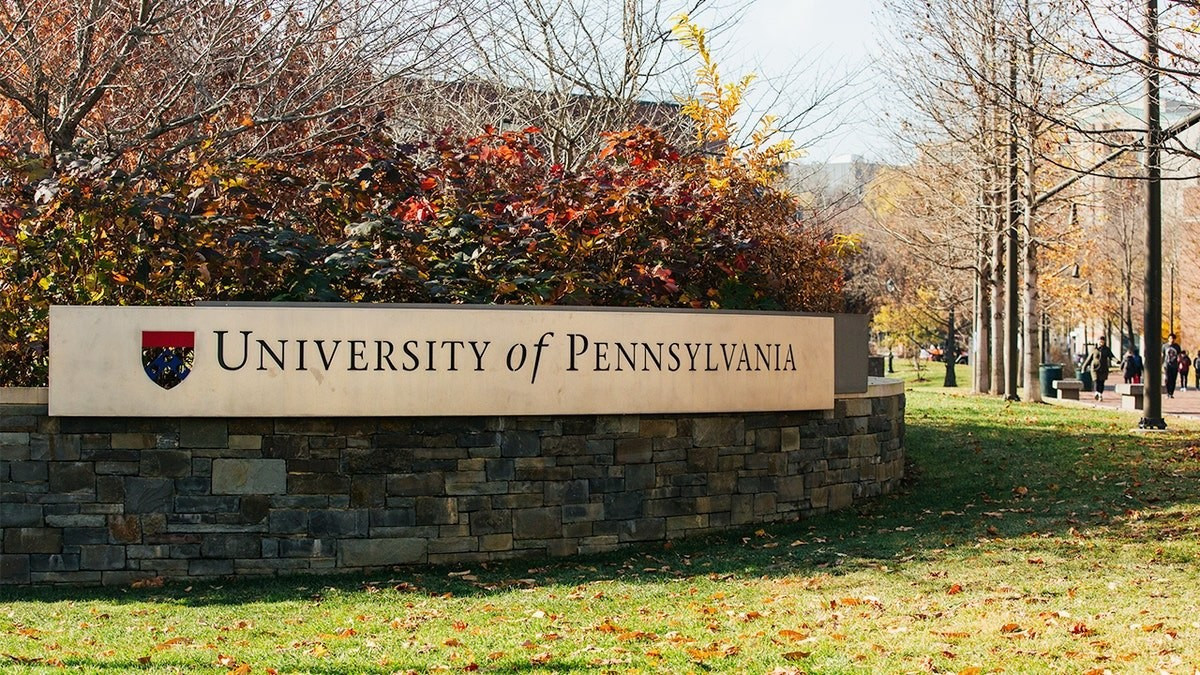
      The University of Pennsylvania has officially acknowledged that it suffered a cyberattack in late October 2025, which resulted in stolen data from systems tied to its development and alumni operations. According to the university’s statement, a social-engineering attack enabled unauthorized access to several internal platforms, after which an offensive email titled “We got hacked” was sent through official university email addresses. The institution says the affected systems include its Salesforce CRM, SharePoint and Box repositories, Qlik analytics environment, and Marketing Cloud. While the university cannot yet verify the hacker’s claim of 1.2 million records stolen, the attackers released documents including donor memos, bank transaction receipts and alumni personal information, and federal law enforcement has been notified.

      Sources: Bleeping Computer, GovTech.com

      Key Takeaways

      – The breach at the University of Pennsylvania stemmed from a social-engineering attack that leveraged compromised credentials to access key internal systems tied to alumni and donor data.

      – Attackers assert they accessed around 1.2 million records and released several thousand pages of internal documents; the university is still investigating the full scope.

      – The incident highlights that even elite, well-funded institutions remain vulnerable to basic security failures—raising questions about auditing, mandatory multi-factor authentication and effective oversight of privileged accounts.

      In-Depth

      The recent announcement from the University of Pennsylvania (Penn) of a confirmed data breach strikes at the heart of higher-education institutions’ trust relationships with alumni, donors and students. According to the November 5 announcement, the breach was discovered on October 31 and involved systems supporting development and alumni functions — including Salesforce CRM, SharePoint and Box file stores, a Qlik analytics platform and a Marketing Cloud mailing asset. In effect, the breach reached core data systems that manage alumni relations, donations, and prospect records. The university stated that access occurred via a “sophisticated identity impersonation commonly known as social engineering.”

      For an institution like Penn, with substantial endowment, alumni base and global brand, the implications are significant. The attackers not only gained access — they sent an email to the community from valid @upenn.edu addresses, reading “We got hacked… all your data will be leaked, please stop giving us money.” That message, crude and confrontational, also signalled a broader motive: the attackers claim the principal objective was the donor-database, noting the “wonderfully wealthy” individuals in Penn’s records. While political rhetoric about affirmative-action policies and “woke” university culture appears in the communications, the self-professed motive is financial.

      From a conservative-leaning vantage point focused on institutional accountability, this incident reveals three major fault lines. First: the failure of basic access control and MFA enforcement. The breach originated in compromised credentials tied to an employee account that accessed multiple systems; the fact that “some high-ranking officials were granted exemptions” from MFA — as referenced in the reporting — undermines the institution’s claims of a “robust” security posture. Second: risk of donor and alumni alienation. Many donors expect their personal data to be handled with utmost care; exposure of net-worth ratings, giving histories, addresses and other personally identifying information erodes confidence and may influence future philanthropy. Third: oversight and governance challenges. Universities like Penn are large bureaucracies with multiple internal stakeholders — IT, advancement, privacy offices, legal counsel. Breaches of this scale suggest a systemic lapse in aligning security and institutional risk management with operational realities.

      The university has reported the incident to the Federal Bureau of Investigation and enlisted third-party cybersecurity experts to investigate. It says it will notify affected individuals “as required by applicable laws.” While that is a necessary step, the uncertainty around how many records were affected and exactly what data was accessed leaves alumni and donors hanging. More broadly, this case shines a spotlight on the need for higher-education institutions to treat cybersecurity not as a housekeeping concern but as a strategic imperative — especially for universities with global brands and significant philanthropic engagement. Institutions that assume their prestige insulates them from threat actors are likely to be proven wrong. In an era when cyber-risk is pervasive, robust controls, continuous auditing and zero-tolerance for privileged-account exceptions must become foundational.

      The Penn breach may serve as a wake-up call: if an institution with Penn’s resources can be compromised in this way, then others — perhaps with fewer resources — are even more exposed. For donors, alumni and students, the takeaway is clear: remain vigilant, demand transparency from institutions entrusted with your data, and expect consequences when the trust is broken.

      Share. Facebook Twitter Pinterest LinkedIn Tumblr Email
      Previous ArticleUK Police IT Gets Upgrade: UK Police Digital Service Teams Up With BCS
      Next Article US Claims $40 Billion Windfall From Intel Equity Deal Amid Surge in Stock Value

      Related Posts

      Trump Quantum Push Leaves Silicon Valley Giants on the Sidelines

      May 29, 2026

      Chicago’s Cultural Scene Pushes Back Against Digital Addiction

      May 29, 2026

      Tech Shuttle Decline Reflects San Francisco’s Remote-Work Reality

      May 27, 2026

      Southwest Airlines Moves To Ban Human-Animal Robots From Flights

      May 22, 2026
      Add A Comment
      Leave A Reply Cancel Reply

      Editors Picks

      Trump Quantum Push Leaves Silicon Valley Giants on the Sidelines

      May 29, 2026

      Chicago’s Cultural Scene Pushes Back Against Digital Addiction

      May 29, 2026

      Tech Shuttle Decline Reflects San Francisco’s Remote-Work Reality

      May 27, 2026

      Southwest Airlines Moves To Ban Human-Animal Robots From Flights

      May 22, 2026
      Popular Topics
      trending Samsung Viral Tesla Tesla Cybertruck starlink Software Tim Cook SpaceX Startup Series A Space Series B Stocks Sundar Pichai Taiwan Tech UAE Tech Satellite Satya Nadella spotlight
      Major Tech Companies
      • Apple News
      • Google News
      • Meta News
      • Microsoft News
      • Amazon News
      • Samsung News
      • Nvidia News
      • OpenAI News
      • Tesla News
      • AMD News
      • Anthropic News
      • Elbit News
      AI & Emerging Tech
      • AI Regulation News
      • AI Safety News
      • AI Adoption
      • Quantum Computing News
      • Robotics News
      Key People
      • Sam Altman News
      • Jensen Huang News
      • Elon Musk News
      • Mark Zuckerberg News
      • Sundar Pichai News
      • Tim Cook News
      • Satya Nadella News
      • Mustafa Suleyman News
      Global Tech & Policy
      • Israel Tech News
      • India Tech News
      • Taiwan Tech News
      • UAE Tech News
      Startups & Emerging Tech
      • Series A News
      • Series B News
      • Startup News
      Tallwire
      Facebook X (Twitter) LinkedIn Threads Instagram RSS
      • Tech
      • Entertainment
      • Business
      • Government
      • Academia
      • Transportation
      • Legal
      • Press Kit
      © 2026 Tallwire. Optimized by ARMOUR Digital Marketing Agency.

      Type above and press Enter to search. Press Esc to cancel.